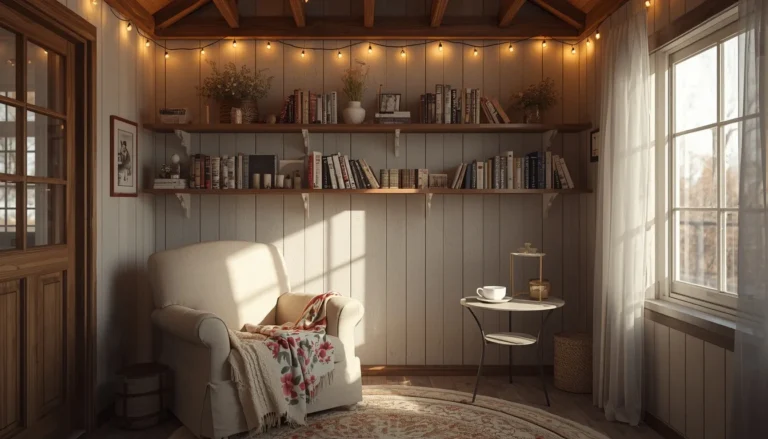
18 Dark Cottagecore Bedroom Ideas That Feel Magical & Deeply Cozy
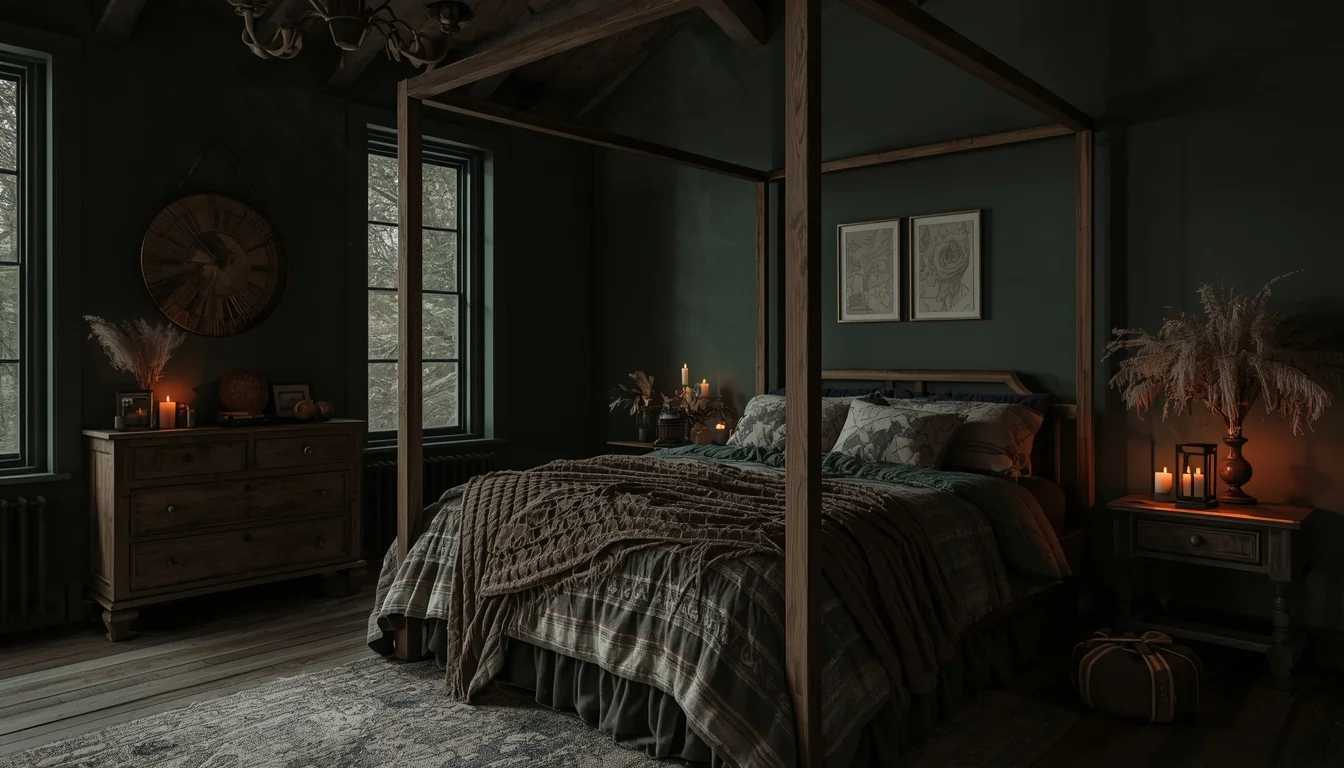
There’s a particular kind of bedroom that feels like it belongs to a story.
Not a bright, airy story — a deeper one. The kind where candlelight flickers against forest-green walls. Where dried flowers hang from the ceiling. Where the bed is layered in velvet and the only sound is rain against the window. You don’t just sleep in a room like this. You disappear into it.
That’s dark cottagecore — and according to Pinterest’s own 2026 trend data, interest in moody, nostalgic home aesthetics has surged dramatically, as people lean into comfort, character, and a little nostalgia at the center of the home. It’s the answer to a very real fatigue with beige minimalism: a style that proves cozy doesn’t have to mean pale, and dramatic doesn’t have to mean cold.
Dark cottagecore blends the romantic, nature-rooted soul of traditional cottagecore — dried botanicals, vintage furniture, handmade textures — with a richer, moodier palette: forest greens, deep burgundies, ink navy, warm charcoal. The result is a bedroom that feels both grounded in tradition and genuinely magical.
This guide gives you 18 specific, achievable ways to bring that feeling into your own room — whether you’re working with a full renovation budget or a rental apartment where painting the walls isn’t even an option.
Let’s step inside.
TABLE OF CONTENTS
- What Is Dark Cottagecore? The Aesthetic Explained
- The Dark Cottagecore Color Formula
- Ideas 1–6: The Foundation Designs
- Texture & Furniture: The Dark Cottagecore Material Guide
- Ideas 7–12: The Atmosphere Designs
- Lighting: The Magic-Making Layer
- Ideas 13–18: The Detail & Statement Designs
- Designer Tips
- Budget & Rental-Friendly Alternatives
- Small Space Strategies
- Common Mistakes
- FAQs
- Conclusion + Continue Reading
What Is Dark Cottagecore? The Aesthetic Explained
Dark cottagecore is what happens when traditional cottagecore — the soft, pastoral aesthetic of wildflowers, gingham, and sun-drenched countryside living — meets a richer, more atmospheric color story.
Where classic cottagecore favors pale florals and cream linen, dark cottagecore reaches for forest green, burgundy, ink navy, and warm charcoal. Where classic cottagecore is daylight and meadow, dark cottagecore is candlelight and dusk. It’s often inspired by nature, but it also incorporates elements of fantasy and magic — drawing as much from fairytale illustration and folklore as it does from countryside interiors.
The style sits at an intersection with dark academia (vintage books, brass details, leather-bound aesthetics) and “cottagegoth” or “whimsigoth” sensibilities (a softer, more romantic take on gothic style). But dark cottagecore never tips into horror or true gothic starkness — its core identity remains warmth, comfort, and a connection to nature, just expressed through deeper, moodier tones.
Why It’s Resonating in 2026?
Pinterest’s own trend data shows dark, moody home aesthetics seeing dramatic year-over-year growth as people seek comfort, character, and nostalgia at the center of the home. After years of bright, minimalist, almost clinical interiors dominating social feeds, dark cottagecore offers something that feels more personal, more atmospheric, and more emotionally resonant — a bedroom you actually want to retreat into, not just photograph.
Designer Note: The distinction that matters most: dark cottagecore is warm-dark, not cold-dark. Every color choice, every material, every light source should lean toward warmth — amber candlelight, brass fixtures, warm wood tones — even within a deep, saturated palette. Cool-toned darkness reads as stark or gothic; warm-toned darkness reads as cozy and magical.
The Dark Cottagecore Color Formula
Color is where dark cottagecore lives or dies. Get the undertones wrong, and a “moody, magical” bedroom becomes a cave instead of a sanctuary.
The Core Palette
- Deep Forest Green: The signature color of the aesthetic. Forest green makes a bedroom feel calm and grounded — bold but soothing, giving any room a peaceful warmth that feels cozy all year.
- Burgundy / Deep Wine Red: Brings warmth and romance. Used on one wall, it adds color without feeling heavy.
- Navy Blue: Adds quiet depth without making the room feel small — it shifts beautifully with light, bright by day, soft by night.
- Warm Charcoal / Near-Black: A grounding neutral that pairs with all of the above as an accent or secondary wall.
- Muted Plum / Deep Purple: A more mystical, fantasy-leaning option for those wanting a witchier interpretation.
The Pairing Rule
Every dark wall color needs a warm counterbalance: cream, warm ivory, soft taupe bedding and textiles. This is the single most important technical rule in dark cottagecore — the dark color provides drama; the warm neutral provides livability. Without the second half of this pairing, a dark cottagecore bedroom reads as heavy rather than cozy.
The Metal Accent
Brass and warm gold accents are essential. They catch candlelight beautifully and provide the “magical” quality that separates dark cottagecore from simply “a dark bedroom.” Avoid cool silver or chrome — they read as contemporary, not cottagecore.
The One-Wall Rule (For Renters & Beginners)
You don’t need to commit your whole room to a dark palette. One accent wall in forest green, burgundy, or navy — paired with warm cream on the remaining walls — captures the full effect while keeping the room from feeling overwhelming. This is also the most rental-friendly approach, since a single wall is easier to repaint back if needed (or simply achieved with removable wallpaper).
IDEA 1: The Forest Green Accent Wall
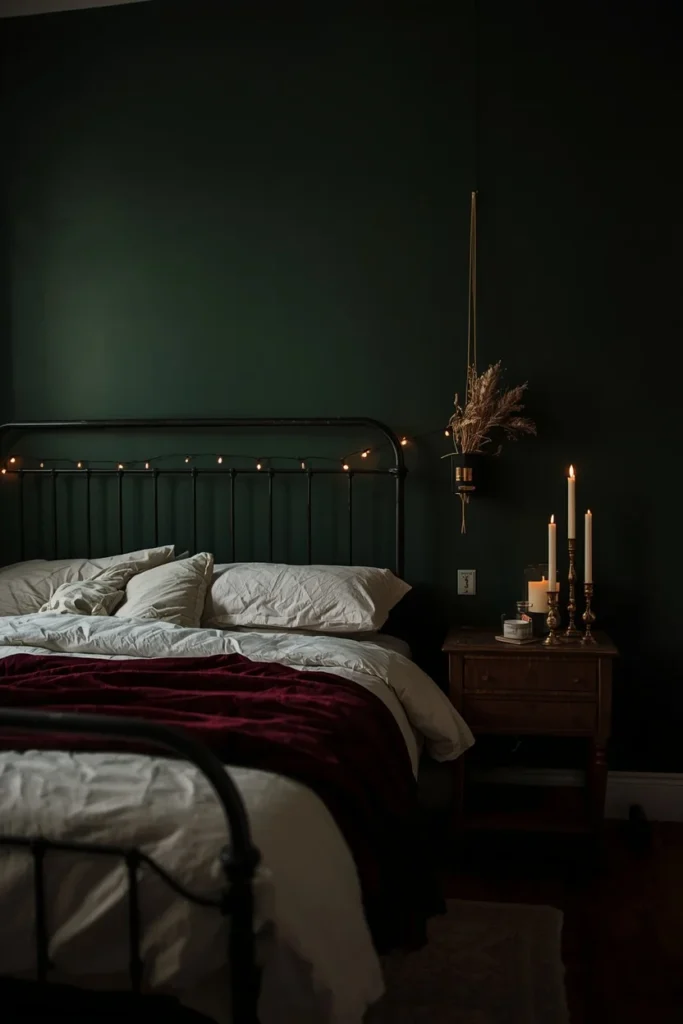
The single most recognizable dark cottagecore design move: one wall painted in a deep forest green, positioned directly behind the headboard.
This placement matters. Behind the bed, the dark color becomes a dramatic backdrop without dominating the entire visual field of the room — you see it when you walk in, and you’re surrounded by it as you sleep, but the remaining cream walls keep the room feeling open and breathable.
Recommended shades: Behr “Cracked Pepper” adjacent forest tones, Sherwin-Williams “Rosemary,” or in the UK, Farrow & Ball “Calke Green” or “Studio Green.” Pair with cream or warm white on the other three walls.
Why it works: The contrast between the deep green wall and lighter surrounding walls creates depth and dimension — the room reads as layered rather than flat, and the green wall becomes a genuine focal point rather than an overwhelming backdrop.
IDEA 2: The Wrought Iron Bed Frame
A wrought iron bed frame brings rustic charm and structure that no upholstered frame can replicate. The dark metal contrasts beautifully with soft bedding and muted florals — it feels sturdy, timeless, and perfectly in tune with the dark cottagecore aesthetic.
Choose a frame with simple scrollwork rather than ornate, ostentatious detailing — the goal is romantic and vintage-feeling, not gothic-cathedral. Pair with a mattress topper and layered bedding to soften the visual weight of the iron frame, since dark cottagecore should always feel inviting rather than austere.
Where to find one: Vintage and antique stores are ideal for an authentic worn finish. For new pieces, IKEA’s TUFJORD and similar iron-frame beds from Wayfair or Dunelm achieve the look at accessible prices.
IDEA 3: The Layered Velvet & Linen Bed
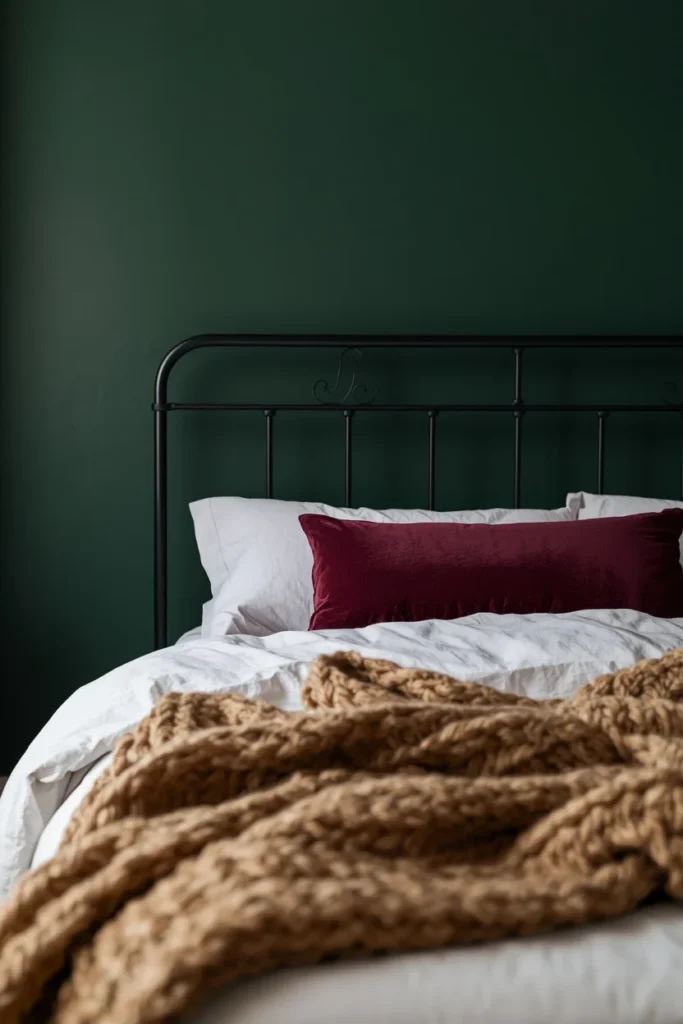
Layered quilts and textiles bring softness, pattern, and comfort. Stack light and heavy layers depending on the season — the mix of colors and textures makes the bed look full and lived-in, adding warmth without feeling busy.
The dark cottagecore bedding formula: a cream or warm linen base sheet set, one deep jewel-toned velvet throw (burgundy, forest green, or plum) folded at the foot of the bed, two to three mismatched cushions in coordinating tones, and one chunky knit throw for texture contrast.
The texture-mixing rule: Combine at least three distinct fabric types on the bed — smooth linen, plush velvet, and textured knit. This trio creates the rich, tactile quality that photographs beautifully and feels genuinely cozy to actually sleep in.
IDEA 4: The Dried Botanical Display
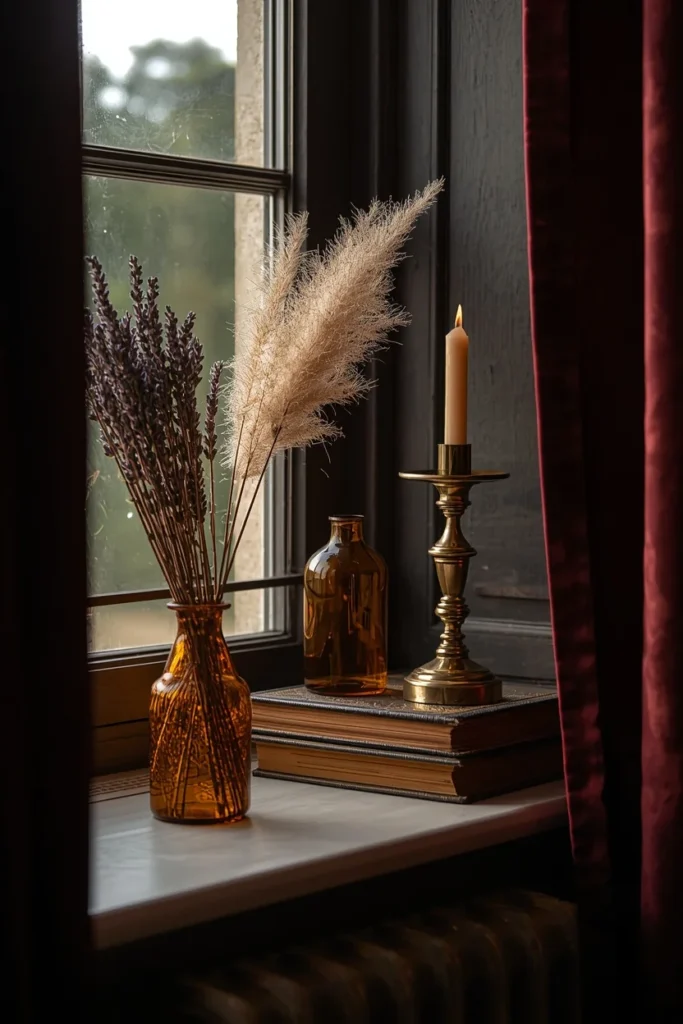
A simple, inexpensive way to decorate a dark cottagecore bedroom: arrange bouquets of dried flowers in vases or jars on the windowsill, dressing table, or shelves.
Dried lavender, eucalyptus, pampas grass, and baby’s breath all work beautifully against dark walls — their muted, faded tones read as elegant rather than dusty, and they require zero maintenance (a significant practical advantage over fresh flowers in a low-light, candle-heavy room).
For an elevated version: hang a small bundle of dried flowers upside-down from a ribbon near the headboard or above a window — a styling technique borrowed directly from cottage and farmhouse kitchens that translates beautifully into the bedroom.
IDEA 5: The Vintage Mirror Focal Point
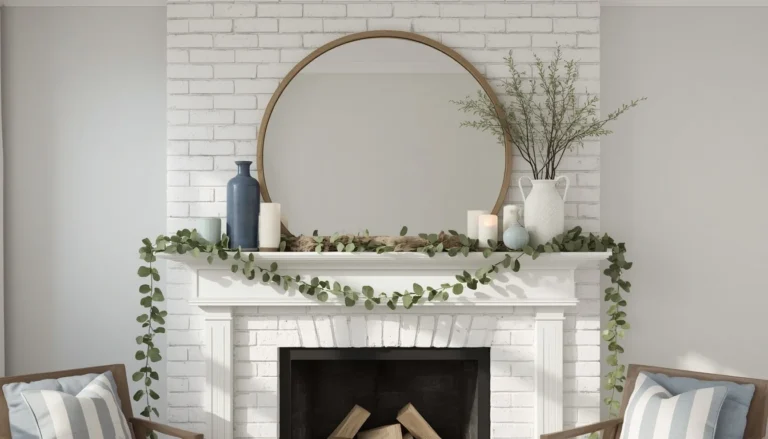
A large, ornate antique mirror anchors a dark cottagecore bedroom design and draws the eye, adding depth, interest, and a touch of mystery to the room.
Position it on a wall opposite the window to maximize natural light reflection, or lean it against the wall at an angle rather than hanging it — a styling choice that reads as more relaxed and collected, very on-brand for the cottagecore aesthetic.
Choose a frame with aged gold, tarnished brass, or dark wood detailing. Thrift stores, flea markets, and Facebook Marketplace are ideal sources — a slightly imperfect, aged finish is more authentic to the style than a brand-new “vintage-look” reproduction.
IDEA 6: The Burgundy Velvet Curtain
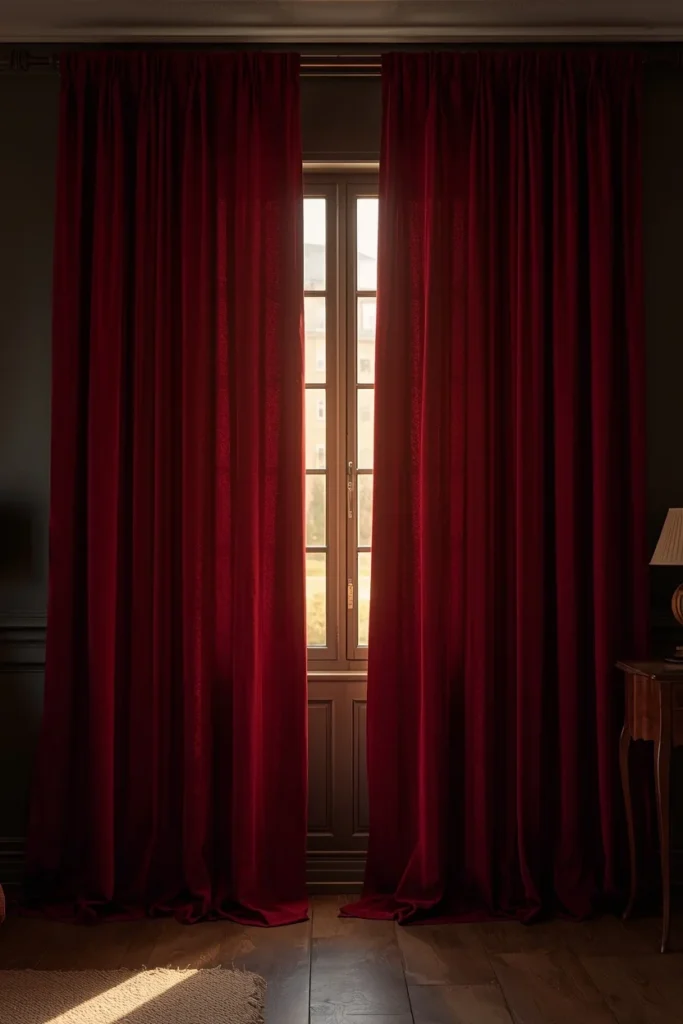
Custom or ready-made velvet curtains in deep, rich colors like burgundy or forest green add elegance and warmth to windows while also serving a practical function: they block more light than thin cotton panels, which suits the moody, candlelit atmosphere dark cottagecore relies on.
Hang curtains from ceiling height rather than just above the window frame — this elongates the wall visually and adds to the room’s sense of drama. Floor-length, with a slight pooling at the bottom, completes the romantic, slightly opulent quality the style calls for.
Budget note: Ready-made velvet curtain panels from Pottery Barn, H&M Home, or Dunelm in burgundy or forest green achieve this look without custom sewing.
Texture & Furniture — The Dark Cottagecore Material Guide
Dark cottagecore lives and dies by texture. A dark room without tactile richness reads as flat or even gloomy — the texture is what makes it feel magical instead.
The Material Hierarchy
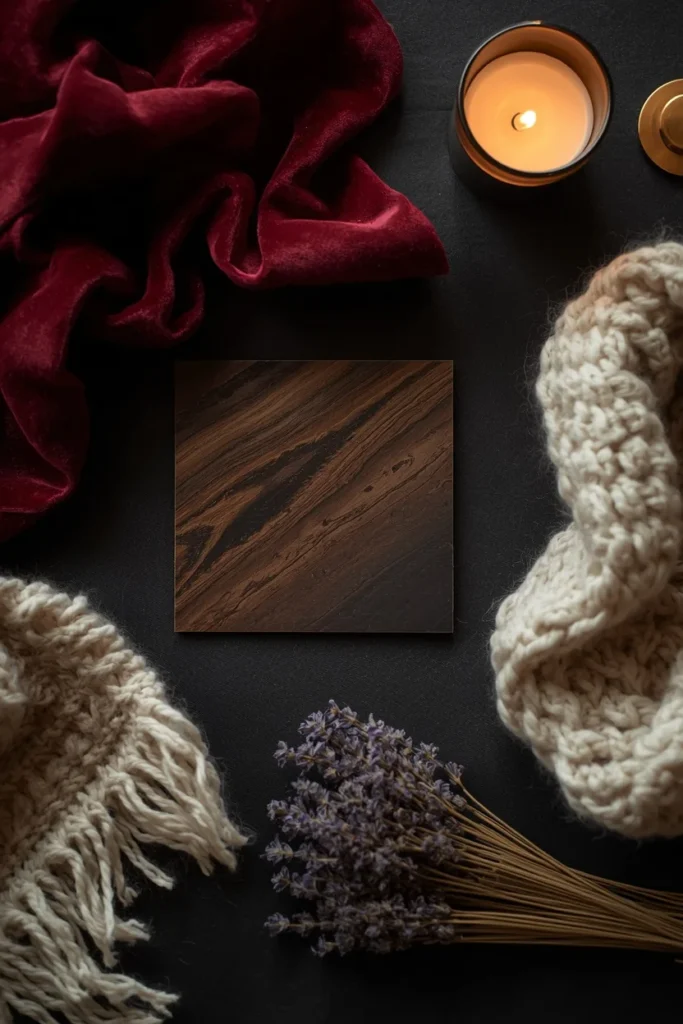
- Velvet — The signature fabric. Used in cushions, throws, and curtains. Catches candlelight in a way no other fabric can.
- Weathered or dark-stained wood — Furniture (dressers, nightstands, bed frames) in mahogany, walnut, or dark oak tones.
- Wrought iron and brass — Bed frames, candlesticks, mirror frames, drawer pulls.
- Linen and cotton — The “breathing room” textiles — sheets, lighter curtains layered behind velvet drapes.
- Dried botanicals — Lavender, pampas, eucalyptus, wheat.
- Knit textiles — Chunky throws that add cozy textural contrast to smooth velvet.
The Furniture Approach: Mismatched, Not Matched
Mismatched antique furniture creates a lived-in feel full of character — mixing wood tones and finishes gives personality without chaos, as long as small details like brass handles stay consistent so the space feels collected rather than cluttered.
This is the opposite approach to most modern bedroom design advice. A dark cottagecore bedroom should feel like it was assembled over years from flea markets, family heirlooms, and thoughtful finds — not purchased as a coordinated set in a single trip.
Designer Secret: Choose one small consistent detail — brass hardware, for example — and repeat it across mismatched pieces. This single thread ties an eclectic furniture collection together without making it feel matched.
IDEA 7: The Painted Wood Paneling Wall
Painted wood paneling adds texture and warmth to dark walls in a way that flat paint alone can’t achieve. Deep shades like charcoal or forest green make the space feel snug but stylish, and the grooves in the wood create character that prevents the room from feeling flat.
Beadboard or shiplap paneling, painted in a deep cottagecore color and installed to picture-rail height (roughly chest height) with a contrasting cream wall above, creates a layered, architectural look. This is a more involved project than a simple paint wall, but the textural payoff is significant — the grooves catch and shadow candlelight beautifully in the evening.
IDEA 8: The Upcycled Velvet Armchair
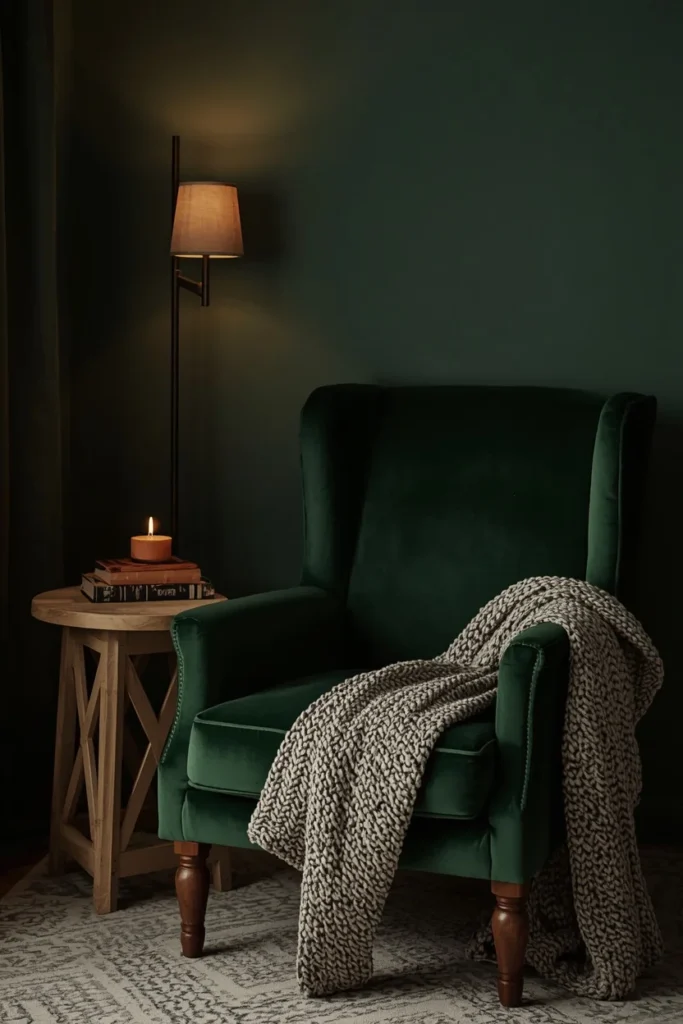
Dark cottagecore demands furniture that marries coziness with rustic elegance. A plush, overstuffed armchair upholstered in rich velvet, paired with weathered wood side tables, creates a luxurious yet lived-in reading nook — perfect for long nights of quiet contemplation.
This is one of the highest-impact single furniture additions to a dark cottagecore bedroom. Position it in a corner near the window, add a small side table for tea or candles, and drape a knit throw over the arm. The chair becomes both a functional reading spot and a visual anchor for the room.
Budget approach: Refinish an old wooden armchair frame with a dark stain and reupholster the cushion in velvet — a manageable DIY project that captures the “lived-in” authenticity the style values.
IDEA 9: The Floral Wallpaper Feature Wall
Dark floral wallpaper adds mood and vintage style to a room. Choosing patterns with muted greens, blues, or browns keeps the look calm, and using it on one feature wall keeps the room balanced while giving it elegant cottagecore charm.
Position the wallpapered wall behind the headboard or on the wall opposite the bed (so it’s visible while lying down — a small but meaningful styling decision). Choose patterns with a dark or muted ground color rather than a busy all-over print on a light background; the dark ground is what gives it that cottagecore-gone-moody quality.
Removable wallpaper options from brands like Spoonflower, Tempaper, or B&Q in the UK make this an entirely rental-friendly upgrade.
IDEA 10: The Brass Candlestick Collection
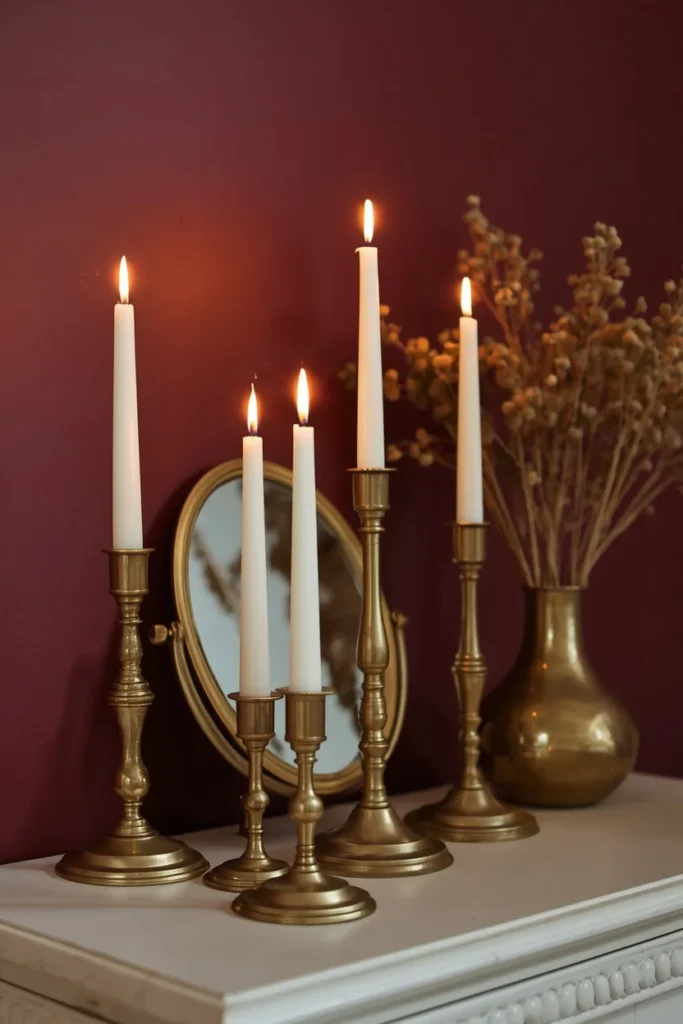
Overhead lights can be harsh and one-dimensional in a dark cottagecore bedroom — flickering candles look cozy and vintage-inspired, and a collected group of brass candlesticks does more atmospheric work than almost any other single decor category.
Group three to five candlesticks of varying heights on the dresser, windowsill, or nightstand. Mismatched styles and slight tarnish on the brass are assets here, not flaws — they reinforce the antique, collected-over-time quality central to the aesthetic.
Safety note: For everyday ambiance (rather than special occasions), flameless LED taper candles in warm amber tones replicate the flicker and glow convincingly while eliminating fire risk — ideal for bedside use.
IDEA 11: The Vintage Book Stack
Vintage books add literary charm and intellectual depth to a dark cottagecore bedroom. Arrange leather-bound classics or antique-looking tomes on open shelves, or stack them artfully on bedside tables.
This detail does double duty: it’s an inexpensive way to add texture and warm brown tones to the room, and it reinforces the dark-academia-adjacent quality that many dark cottagecore enthusiasts are drawn to. Thrift stores and library sales are excellent low-cost sources for genuinely vintage-looking spines.
Style books horizontally in stacks of three to five, with a small object on top — a dried flower, a small crystal, or a brass candle holder — rather than lining them vertically on a shelf, which reads as more sterile.
IDEA 12: The Botanical Gallery Wall
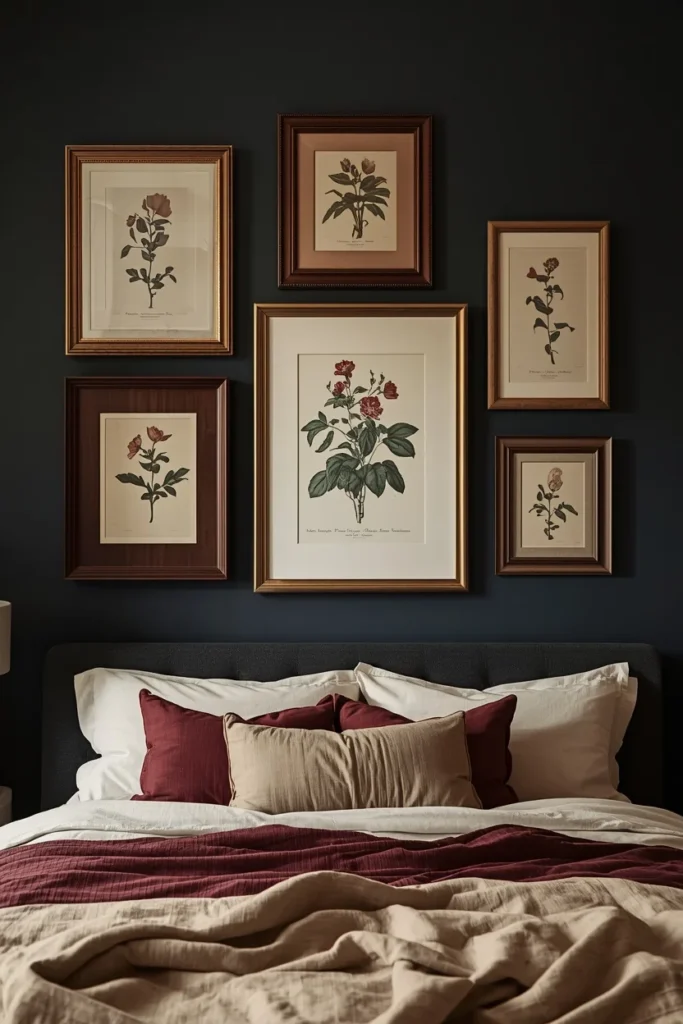
Botanical prints infuse a dark cottagecore bedroom with the essence of nature, even when outdoor exploration isn’t possible. Frame vintage plant illustrations or pressed flower artwork and arrange them in a gallery wall above the bed for a curated display that reinforces the room’s nature-rooted theme.
Choose frames in mismatched dark wood or aged gold finishes rather than a uniform matching set — true to the collected-not-coordinated philosophy of the style. Mix botanical illustrations with one or two vintage-style portrait pieces or astronomical/celestial prints for added dimension.
Lighting — The Magic-Making Layer
If color sets the dark cottagecore foundation, lighting is what makes it feel genuinely magical rather than simply dim.
The Three-Layer Lighting System
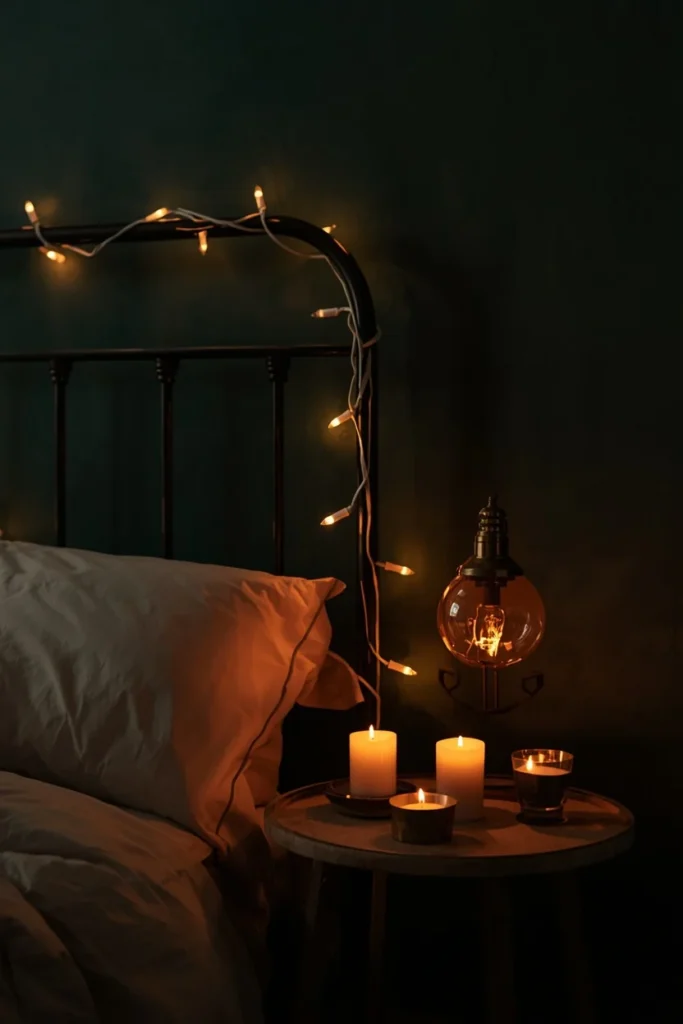
- String lights: Warm white (never cool white) fairy lights draped along the headboard, around a window frame, or woven through a canopy. This is the single most “magical” lighting element in the aesthetic — it mimics the gentle, scattered light of fireflies or candlelight without an open flame.
- Candlelight (real or flameless): Grouped on dressers, nightstands, and windowsills. Mood lighting transforms the bedroom into an intimate retreat — installing dimmer switches, string lights, and candle sconces creates layers of soft illumination that can be adjusted for different activities throughout the evening.
- A single vintage-style lamp: One table lamp with a fabric or amber glass shade, positioned on the nightstand, provides functional reading light while maintaining the warm, low-glare atmosphere central to the style.
What to Avoid Entirely?
Overhead ceiling lights on full brightness. This single choice undoes more dark cottagecore atmosphere than any other lighting mistake. If your room has only an overhead fixture, install a dimmer switch immediately, or simply avoid using it after dusk in favor of the layered lamp-and-candle approach.
IDEA 13: The Canopy Bed Transformation
A canopy — whether a full four-poster frame or a simple fabric canopy mounted to the ceiling above the bed — is one of the most dramatic dark cottagecore upgrades available, and one of the most achievable even in a rental.
Sheer dark fabric (deep green or burgundy voile) draped from a ceiling-mounted hoop or curtain rod creates an enclosed, cocoon-like sleeping space that feels distinctly fairytale. Woven through with warm string lights, the canopy becomes the room’s clear visual centerpiece.
Rental-friendly version: A ceiling hook (removable, adhesive-backed options exist) holding a simple fabric canopy requires no permanent installation and can be removed without any wall damage.
IDEA 14: The Moss & Greenery Touch
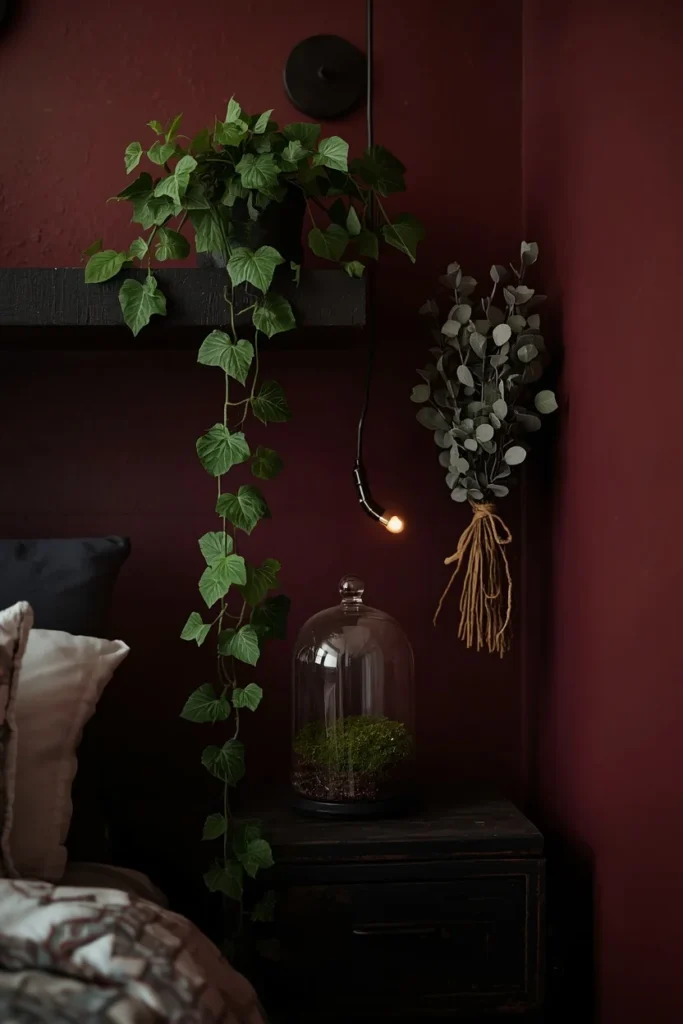
Incorporating plants into a dark cottagecore bedroom purifies the air and adds a touch of living nature. Potted ferns, ivy, and trailing spider plants on windowsills, shelves, and in hanging baskets create a serene atmosphere while improving air quality.
For an especially magical, forest-floor quality: a small preserved moss arrangement or terrarium on the dresser introduces the woodland element of the aesthetic without requiring plant-care expertise. Trailing pothos or ivy, allowed to grow long and slightly wild, reinforces the “enchanted forest” sensibility better than a neatly trimmed plant ever could.
IDEA 15: The Crystal & Mineral Display
Real rock minerals or crystals arranged on a windowsill, dressing table, or shelf help give a dark cottagecore bedroom a mystical, rustic feel — a detail that leans into the style’s fantasy and folklore influences without tipping into anything overtly “spooky.”
Choose natural, unpolished or lightly polished stones — amethyst clusters, rose quartz, smoky quartz — rather than uniform, brightly dyed crystals. The slightly raw, irregular quality matches the lived-in, collected aesthetic of the rest of the room.
Style in small groupings of three on a windowsill where they’ll catch morning light, or beside candlesticks where the warm flicker enhances their natural color variation.
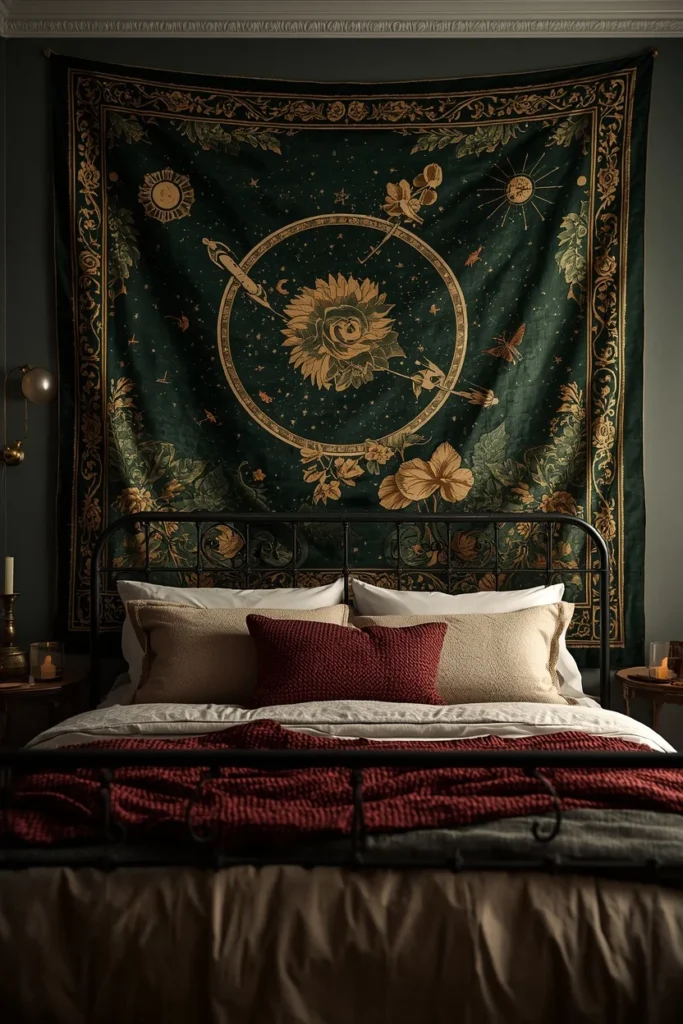
IDEA 16: The Tapestry Wall Hanging
A large fabric tapestry — featuring botanical, celestial, or folklore-inspired imagery — is a renter-friendly, high-impact way to introduce both color and pattern to a dark cottagecore bedroom without painting or hanging heavy framed art.
Hang it behind the headboard as a soft, textured alternative to a wallpapered accent wall, or use it to cover an entire wall in a small room where furniture leaves little additional wall space. Look for muted, jewel-toned palettes — deep green, burgundy, muted gold — rather than bright, saturated prints, which clash with the aesthetic’s overall mood.
IDEA 17: The Antique Writing Desk Corner
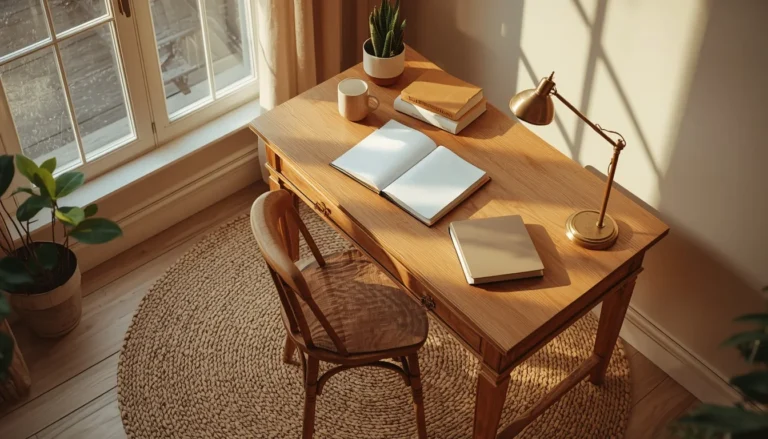
A small antique or vintage-style writing desk tucked into a corner adds both function and atmosphere — a place for journaling, reading by candlelight, or simply displaying a curated collection of small objects.
Choose a desk in dark wood with some visible age or patina — scratches and wear are assets here. Style the surface with: one small lamp, a stack of books, an inkwell or vintage pen, and a small vase of dried flowers. This corner often becomes one of the most photographed spots in a dark cottagecore bedroom, since it tells a story rather than simply displaying furniture.
IDEA 18: The Fully Realized Dark Cottagecore Sanctuary
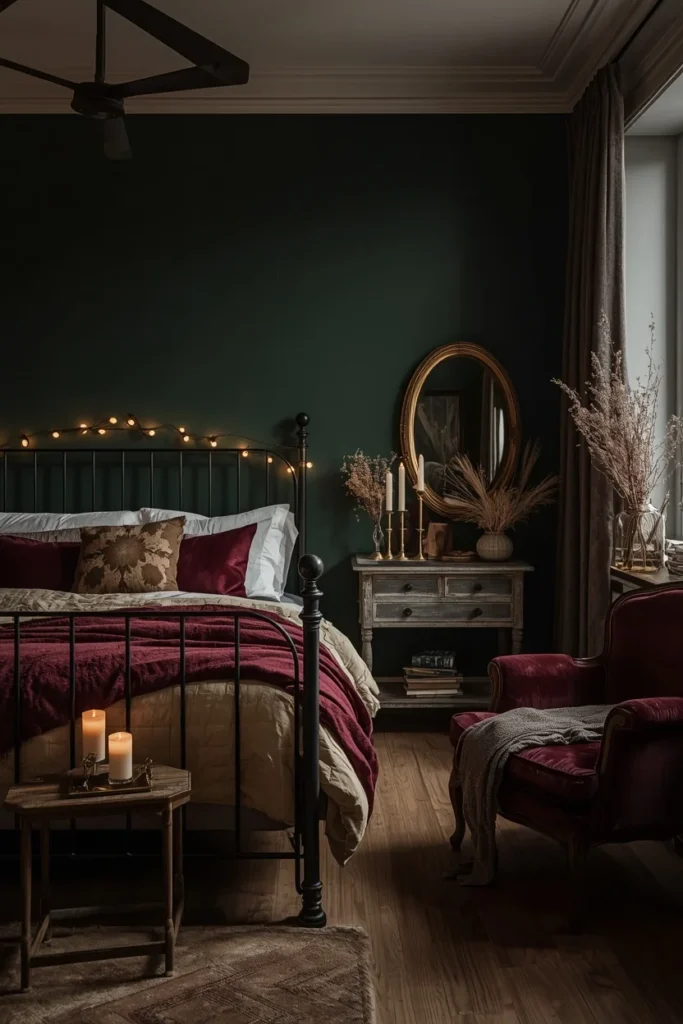
The final, most complete expression of the style brings every element together: a deep forest green accent wall behind a wrought iron bed, layered in cream linen and burgundy velvet. String lights woven along the headboard, brass candlesticks glowing on a weathered wood nightstand. A velvet armchair in the corner beside a small antique desk. Dried botanicals on the windowsill, a tapestry or botanical gallery wall, and one large vintage mirror reflecting the candlelight back into the room.
Nothing here is new. Nothing matches perfectly. And that’s exactly the point — this is a room that looks and feels like it has been lived in and loved for years, even if you finished decorating it last weekend.
DESIGNER TIPS
Tip 1 — The Warmth Check Before finalizing any dark color, hold the paint swatch under warm lamp light (not daylight or phone flashlight) — this is how the room will actually be experienced most evenings. A green or burgundy that reads beautifully warm under candlelight is the right choice; one that reads cold or muddy under warm light should be reconsidered.
Tip 2 — The Brass Repetition Rule Choose brass or warm gold as your single metal finish and repeat it across at least four objects: candlesticks, mirror frame, drawer pulls, and a lamp base. This repetition is what makes an eclectic, mismatched furniture collection feel intentional rather than accidental.
Tip 3 — The Seasonal Dried Flower Swap Refresh your dried botanical arrangements two to three times a year — lavender and pampas in spring/summer, wheat and amber-toned dried flowers in autumn/winter. This keeps the room feeling current without touching furniture, paint, or major decor.
Tip 4 — The 70/30 Texture Balance Aim for roughly 70% soft, warm textures (velvet, linen, knit) and 30% hard, structural textures (iron, brass, dark wood) in any given vignette. Too much hard texture reads as cold; too much soft texture loses the dramatic edge that defines dark cottagecore.
Tip 5 — The Candlelight Test Walk through your finished room at night with only candles and string lights on, no overhead lighting. If it feels magical and inviting, you’ve succeeded. If it feels merely dim, you likely need another layer of warm light — a second lamp, more candles grouped together, or additional string lights.
BUDGET & RENTAL-FRIENDLY ALTERNATIVES
| Look | Splurge Version | Budget / Rental Alternative |
| Forest green accent wall | Professional paint job ($300+) | Removable wallpaper or fabric panel ($30–60) |
| Wrought iron bed frame | Antique store find ($400+) | IKEA TUFJORD or Wayfair iron frame ($150–300) |
| Velvet curtains | Pottery Barn custom ($200+/panel) | H&M Home or Dunelm velvet panels ($25–50/panel) |
| Antique mirror | Flea market original ($150+) | TK Maxx / HomeGoods aged-finish mirror ($40–80) |
| Brass candlesticks | Vintage brass set ($60+) | Amazon/Target mismatched set ($15–30) |
| Canopy bed frame | Custom four-poster ($800+) | Ceiling hook + sheer fabric DIY ($20–40) |
| Velvet armchair | Designer reupholstered piece ($600+) | Thrifted chair + DIY reupholster ($50–150) |
| Botanical tapestry | Etsy artisan piece ($80+) | Amazon/H&M Home tapestry ($20–35) |
Budget Priority Order (Rental-Friendly First):
- Warm white string lights (under $15)
- Dried flower bouquet from a local florist or grocery store ($10–20)
- One velvet throw or cushion cover ($20–30)
- Removable wallpaper panel or fabric tapestry for one wall ($30–60)
- A small set of brass-toned candlesticks ($15–25)
- Then invest in furniture (bed frame, armchair) as budget allows
The entire foundational dark cottagecore atmosphere can be achieved for under $100 using string lights, one textile layer, dried botanicals, and candles — without painting a single wall or buying new furniture.
SMALL SPACE STRATEGIES
One Wall, Not Four: In a small bedroom, commit the dark color to a single wall (ideally behind the headboard) and keep the remaining walls in warm cream. This captures the mood without making a small room feel like it’s shrinking.
Vertical Drama: Floor-to-ceiling curtains and a tall canopy draw the eye upward, making low ceilings feel taller. Avoid low-hanging light fixtures in already-compact rooms.
Multi-Functional Furniture: A small antique desk that doubles as a vanity, or a vintage trunk at the foot of the bed that provides both storage and a seating surface, maximizes function without adding visual clutter.
Mirror Placement: A large vintage mirror positioned to reflect candlelight and window light does significant work in a small dark room — it’s the single highest-impact trick for preventing a small, dark-walled room from feeling cramped.
Edit the Layering: In a generously sized room, you can layer five or six textures and a full gallery wall. In a small room, choose three: one textile, one lighting layer, and one botanical element. Restraint keeps a small dark room feeling cozy rather than cluttered.
COMMON MISTAKES
Mistake 1: Going Full Gothic Instead of Cottagecore Skulls, all-black everything, and heavy gothic hardware push the room into a different aesthetic entirely. Dark cottagecore should always read as romantic and nature-rooted first, moody second. If in doubt, add another dried flower arrangement.
Mistake 2: Using Cool-Toned Dark Colors A cool-toned navy or grey-green reads as cold and uninviting. Always choose warm-undertone dark colors — forest greens with yellow undertones, burgundies with red-brown warmth — that glow rather than flatten under candlelight.
Mistake 3: Skipping the Lighting Layers A dark room lit only by a single overhead fixture feels gloomy, not magical. The string lights, candles, and warm lamp are not optional extras — they’re the mechanism that makes the dark palette feel cozy instead of cave-like.
Mistake 4: Matching Furniture Too Perfectly A coordinated bedroom set undermines the “collected over time” quality central to the aesthetic. Mix wood tones, mix eras, mix finishes — while keeping one small consistent detail (like brass hardware) to tie it together.
Mistake 5: Forgetting the Natural Texture Layer Dark color and vintage furniture alone aren’t enough — dried botanicals, plants, and organic textures are what keep the room feeling like cottagecore rather than simply “a dark bedroom.” Skip them, and the aesthetic tips too far toward generic moody decor.
Mistake 6: Overcrowding the Surfaces Dark cottagecore is rich, not cluttered. Group decorative objects in intentional clusters with breathing room between them, rather than covering every surface. A dresser with twelve scattered objects reads as messy; the same objects grouped into three considered vignettes reads as curated.
Mistake 7: Choosing Synthetic, Shiny Fabrics Polyester velvet-look fabrics and glossy synthetic textiles break the handmade, vintage authenticity the style depends on. Choose genuine velvet, linen, and cotton wherever your budget allows — the tactile difference is significant, both visually and to the touch.
Mistake 8: Ignoring Ventilation and Plant Care A genuinely beautiful dark cottagecore bedroom still needs airflow and light for any living plants. Choose low-light-tolerant plants (pothos, ferns, ZZ plants) if your room’s deep color scheme also means limited natural light, and crack a window regularly regardless of the room’s moody aesthetic.
FAQs
CONCLUSION
A dark cottagecore bedroom isn’t really about the paint color, the velvet, or even the candles individually. It’s about creating a room that feels like a pause from the world — somewhere genuinely yours, layered with warmth, texture, and just enough magic to make ordinary evenings feel a little enchanted.
You don’t need to recreate all 18 ideas in this guide at once. Start small: a strand of warm string lights, one dried flower bouquet, a velvet cushion on your existing bedding. Notice how the room shifts. Then keep layering — a candlestick here, a vintage mirror there — until the space genuinely feels like your own moody, magical retreat.
That bedroom from the storybook? You’re closer to it than you think.