24 Outdoor Patio Furniture Ideas That Are Stylish, Comfy & Weather-Ready
Your patio furniture is either the reason you spend every free evening outside, or the reason that space sits empty all summer. There’s rarely an in-between.
Maybe you’ve already bought a set that looked great online and then faded, rusted at the joints, or grew mildew in the cushions after one rainy month. That’s not bad luck. That’s usually a mismatch between the material and your actual weather.
This guide walks through 24 outdoor furniture ideas built around what actually survives outside, not just what photographs well. You’ll find options for small balconies, full backyards, tight budgets, and pieces worth saving up for. Pull up a chair (once you’ve picked the right one) and let’s get your patio somewhere you actually want to be.
Table of Contents
What Makes Patio Furniture Weather-Ready?
Weather-ready patio furniture comes down to three things: the frame material, the cushion fabric, and the hardware holding it together. Powder-coated aluminum, teak, HDPE (poly lumber), and quality resin wicker are the four materials that consistently hold up to sun, rain, and temperature swings without cracking, rusting, or fading within a season. Cushions matter just as much as frames. Look for solution-dyed fabrics like Sunbrella, which resist UV fading and dry quickly instead of trapping moisture and growing mold. Hardware is the detail most people skip past, but stainless steel or rust-resistant screws and joints are often the first thing to fail on cheaper sets, even when the frame itself is solid.
1. Curved Rattan Sectional Sofa
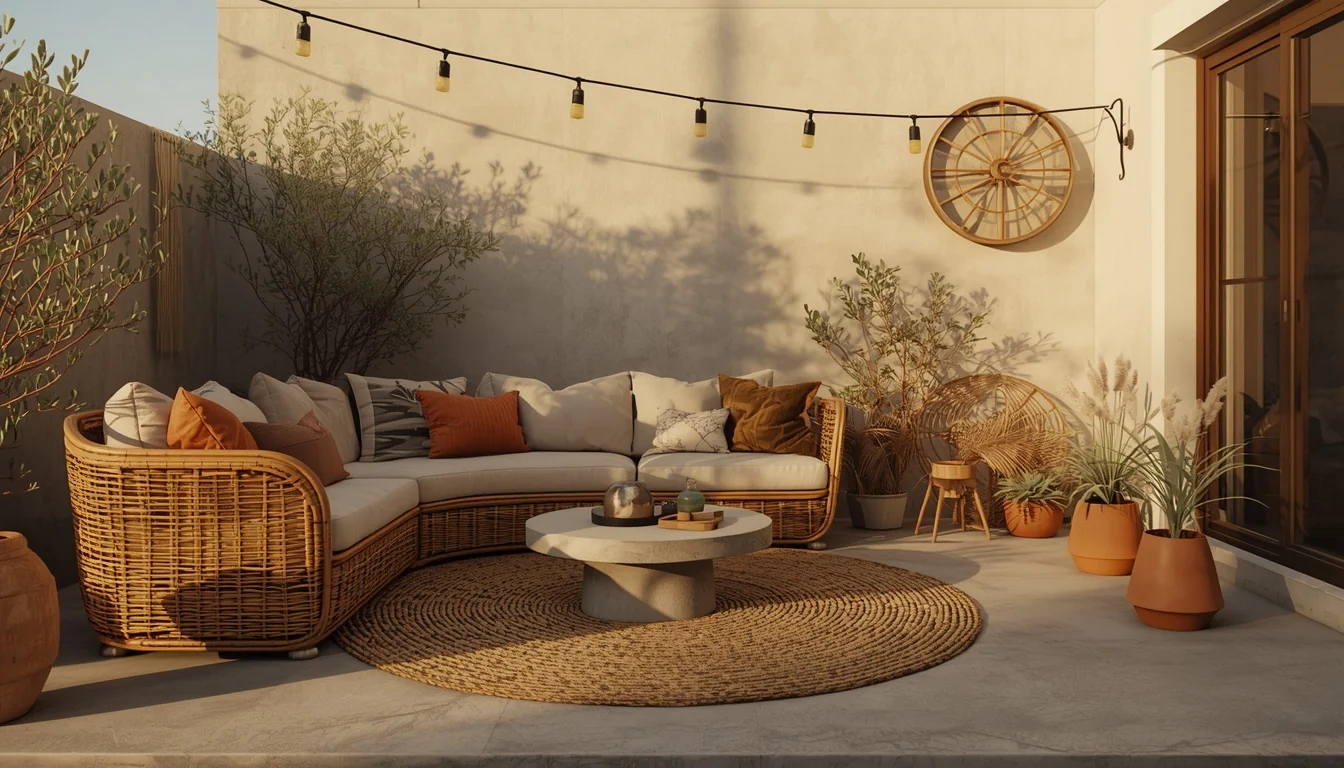
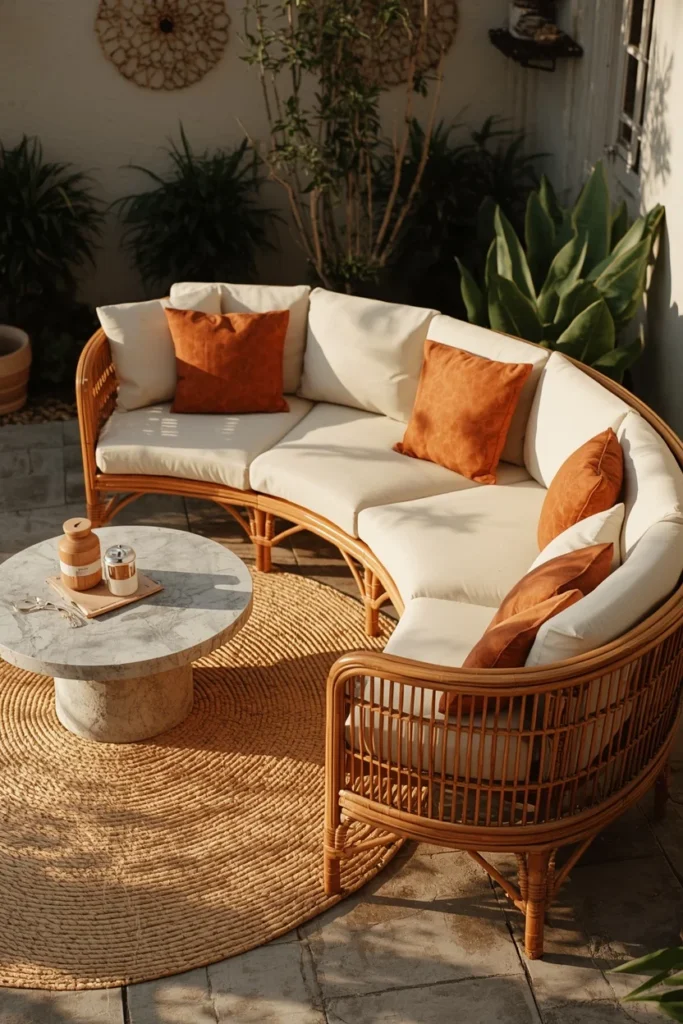
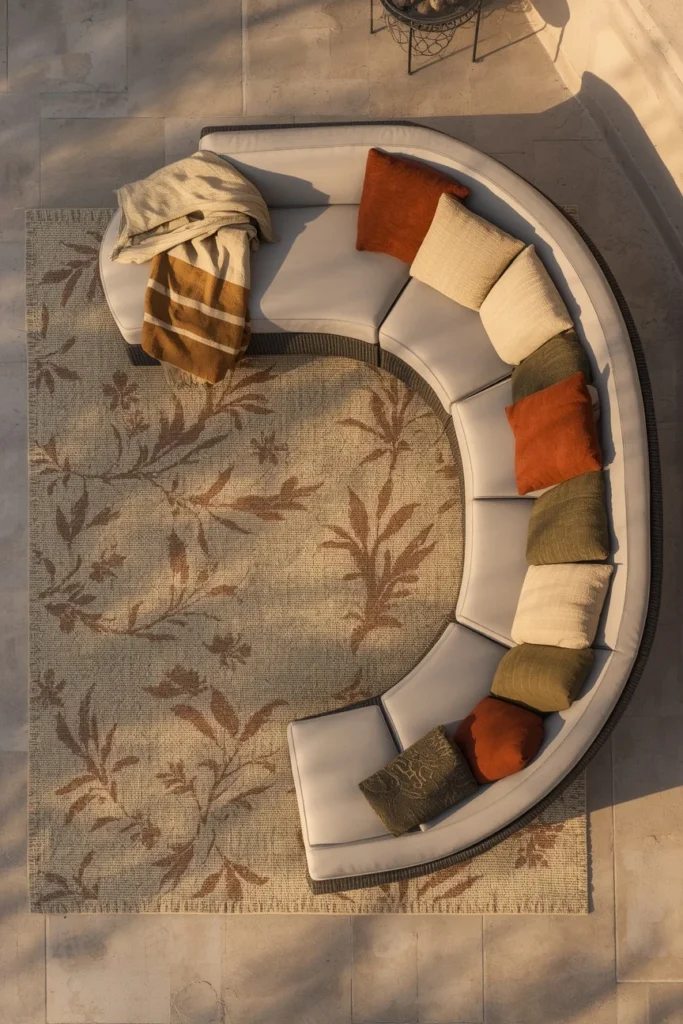
Curved silhouettes are replacing the boxy, straight-arm sectionals that dominated patios for the last decade, and for good reason. A curved rattan sectional pulls seating into a loose semicircle, so conversation flows naturally instead of forcing everyone to talk sideways. Choose a version with an aluminum frame wrapped in HDPE synthetic rattan rather than natural rattan, since the synthetic version resists cracking and fading in direct sun. Pair it with deep cushions in a warm neutral like sand or flax, then layer in two or three accent pillows in rust or olive for contrast. The rounded shape also softens a patio with hard edges, like one bordered by a straight fence or concrete slab.
2. Teak Extendable Dining Table Set
A teak dining set is the closest thing to a lifetime purchase in outdoor furniture. Grade-A teak resists rot, insects, and water damage because of its natural oils, and it can last decades with almost no maintenance beyond an occasional rinse. An extendable table is worth the extra cost if you host, since it lets a four-person table stretch to seat eight without buying a second table. Left untreated, the wood weathers to a soft silver-gray patina that many people prefer over the original honey-brown tone, so there’s no wrong way for it to age. Pair it with cushioned teak or woven chairs so the whole setup reads as one collected dining moment rather than a mismatched set.
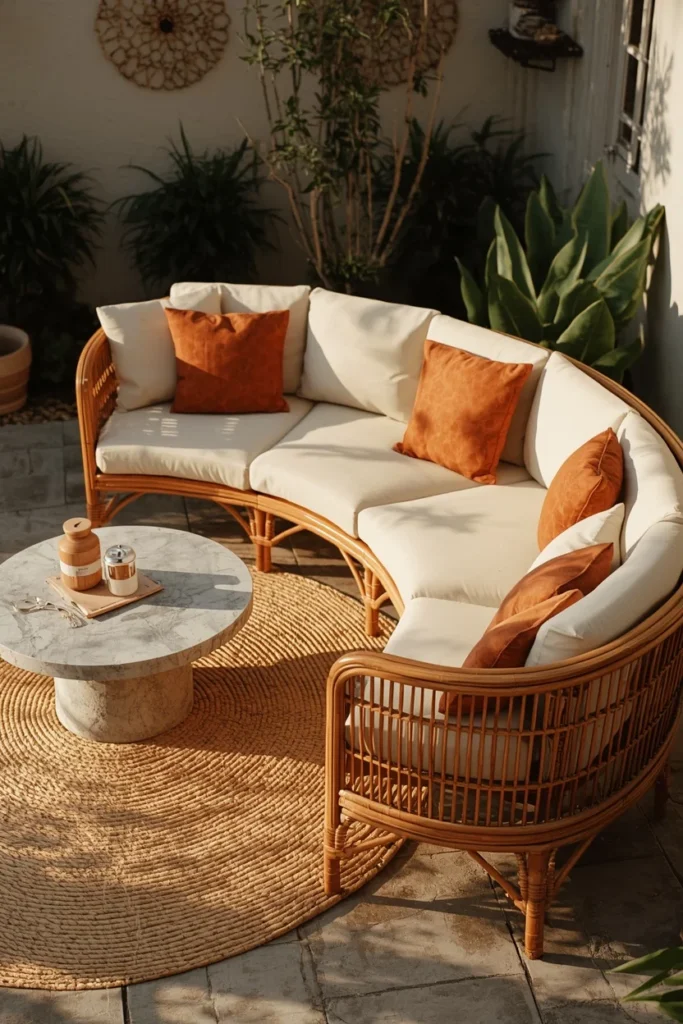
3. Powder-Coated Aluminum Bistro Set
A two-chair bistro set is the fastest way to make a tiny balcony or side patio feel finished. Powder-coated aluminum is rust-resistant by nature, lightweight enough to move for cleaning, and stays cool to the touch compared to darker metal finishes. Look for a round table between 24 and 28 inches so two people can sit comfortably without the table taking over the space. A café-style frame with slim metal legs keeps the footprint small while still giving you a real spot for morning coffee or an evening glass of wine. Add slim seat cushions in a striped or solid outdoor fabric so the metal doesn’t feel cold to sit on.
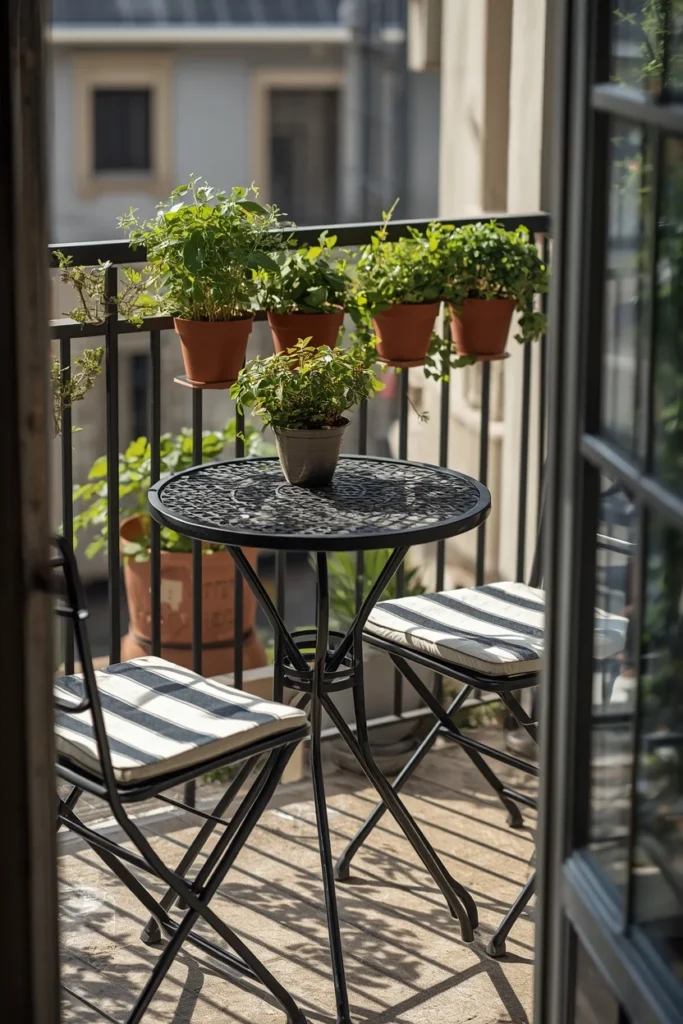
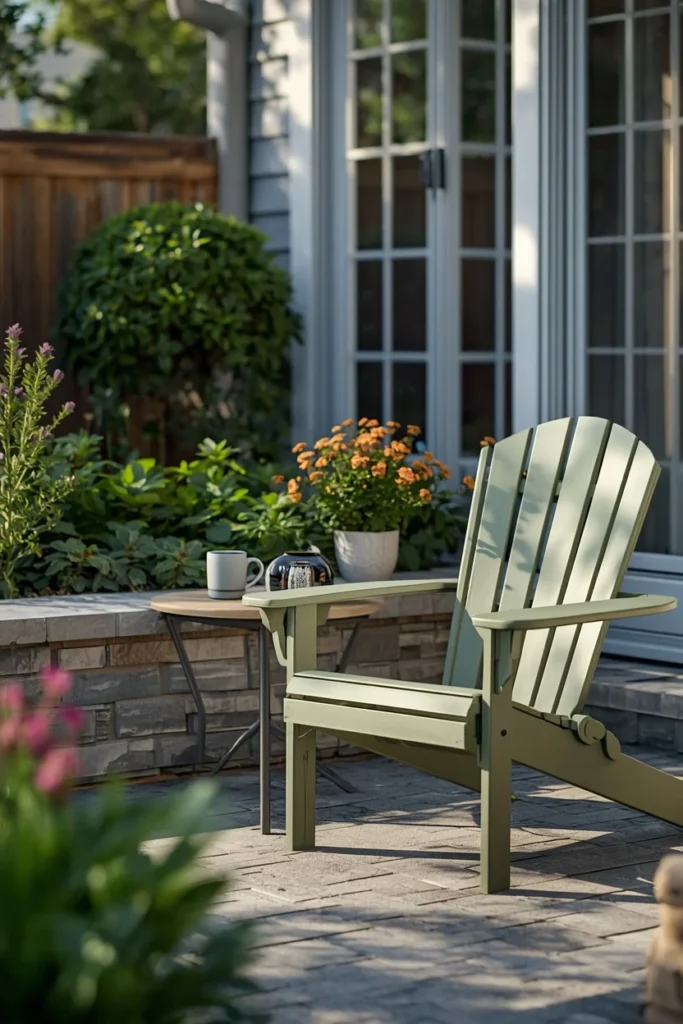
4. HDPE Adirondack Chairs
Adirondack chairs made from HDPE, sometimes sold as poly lumber, solve the biggest problem with the classic wood version: they never need sanding, staining, or sealing. The material is UV-stabilized so it won’t fade to a chalky gray the way untreated pine does, and it holds up in humidity without rotting or splintering. The wide armrests are big enough to hold a drink or a book without a side table, which makes these chairs an easy pick for a fire pit circle or a spot at the edge of the lawn. They come in colors that run all the way through the material, so scratches and scuffs barely show. Two chairs angled slightly toward each other instead of facing straight ahead create a more relaxed, conversational setup.
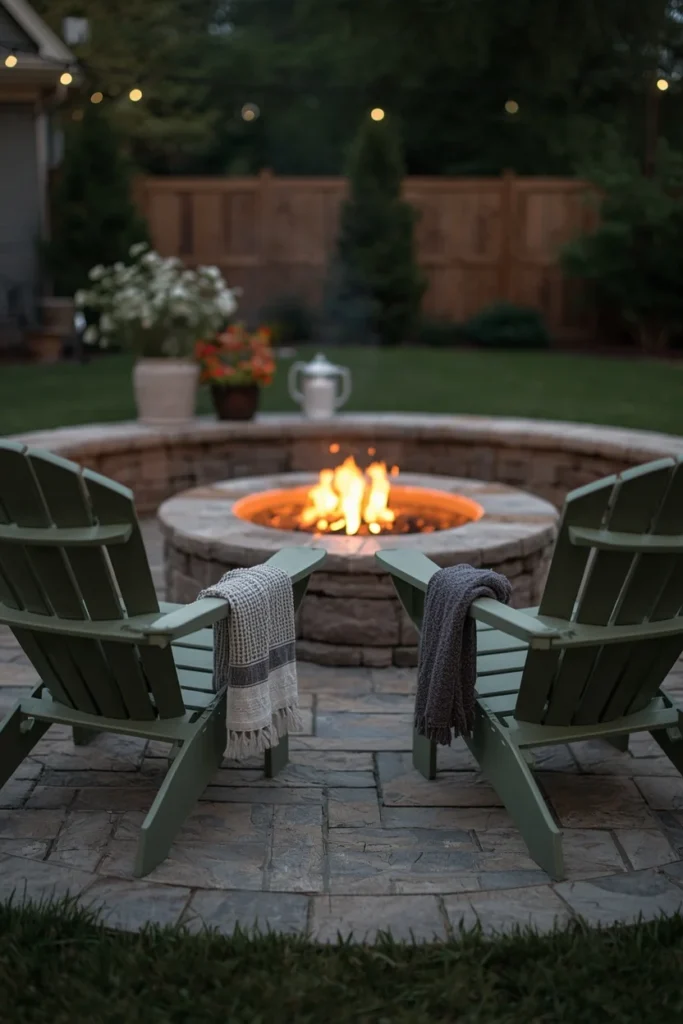
5. Modular Wicker Sectional with Hidden Storage
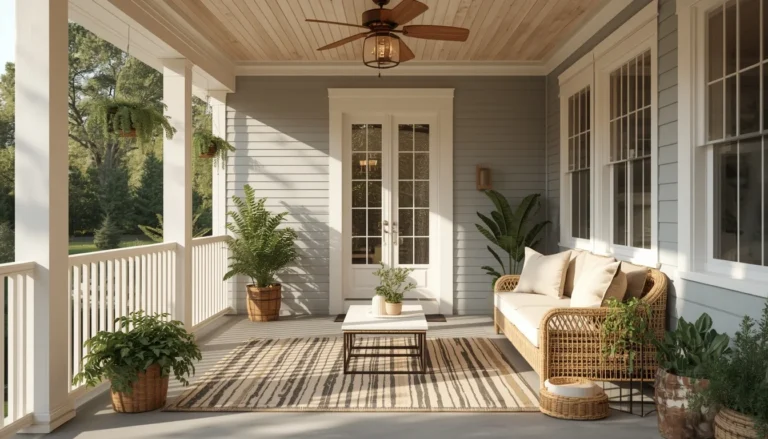
Modular pieces let a patio change shape depending on the day, which matters most on smaller lots where one setup has to work for both a quiet morning and a full backyard party. Resin wicker sectionals built over aluminum frames are lightweight enough to rearrange without help, and many modular designs now include a storage ottoman or bench seat with a lift-up lid for cushion covers and throw pillows. Splitting a five-piece set into two loveseats and a corner chair gives you flexibility that a fixed sectional simply can’t match. Choose pieces with matching leg height and frame color so they still look intentional no matter how you arrange them.
You may also like 18 Backyard Gazebo Ideas That Create the Most Beautiful Outdoor Escape
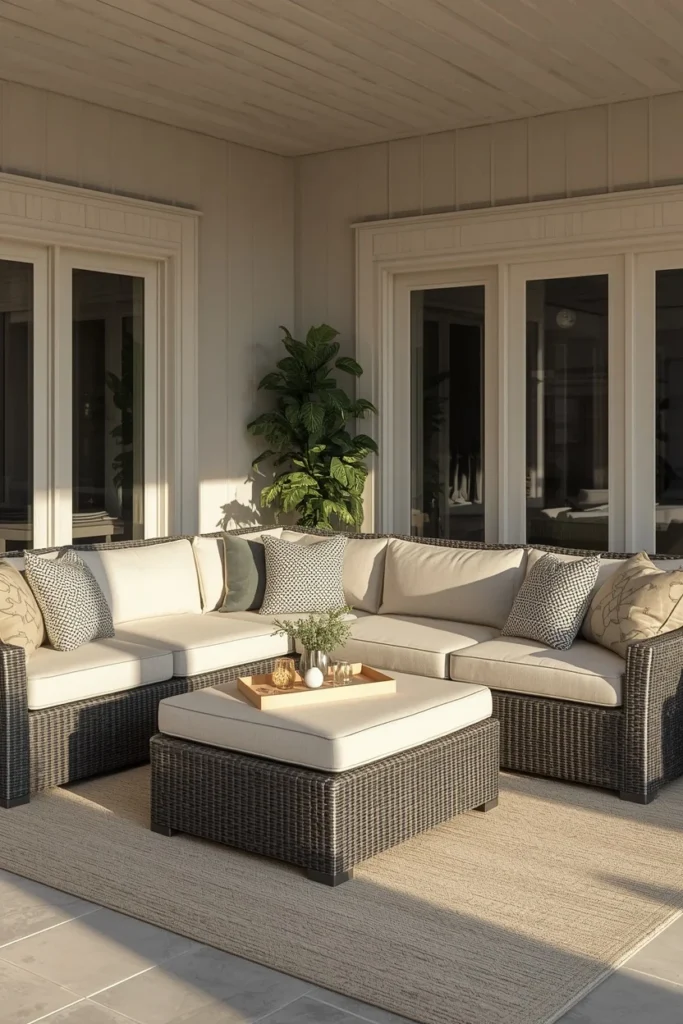
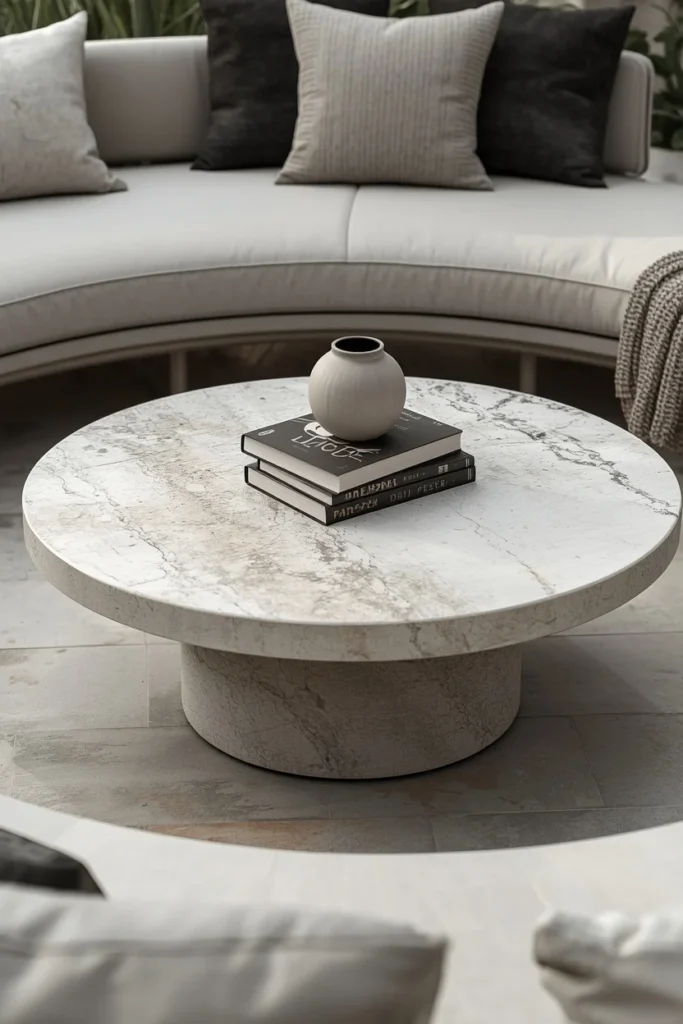
6. Stone-Topped Coffee Table
Stone dining and coffee tables are showing up more often because they give a patio a sense of permanence that lighter materials can’t fake. A GFRC (glass fiber reinforced concrete) or poured concrete top handles heat, sun, and temperature swings without cracking, and its weight means it won’t shift or tip in wind the way a lightweight resin table can. Round or oval shapes pair especially well with curved sectionals, softening a seating area that might otherwise feel boxy. Look for a table with a hollow-core or lightweight aggregate top if you plan to move it seasonally, since solid concrete can be difficult for one person to lift alone.
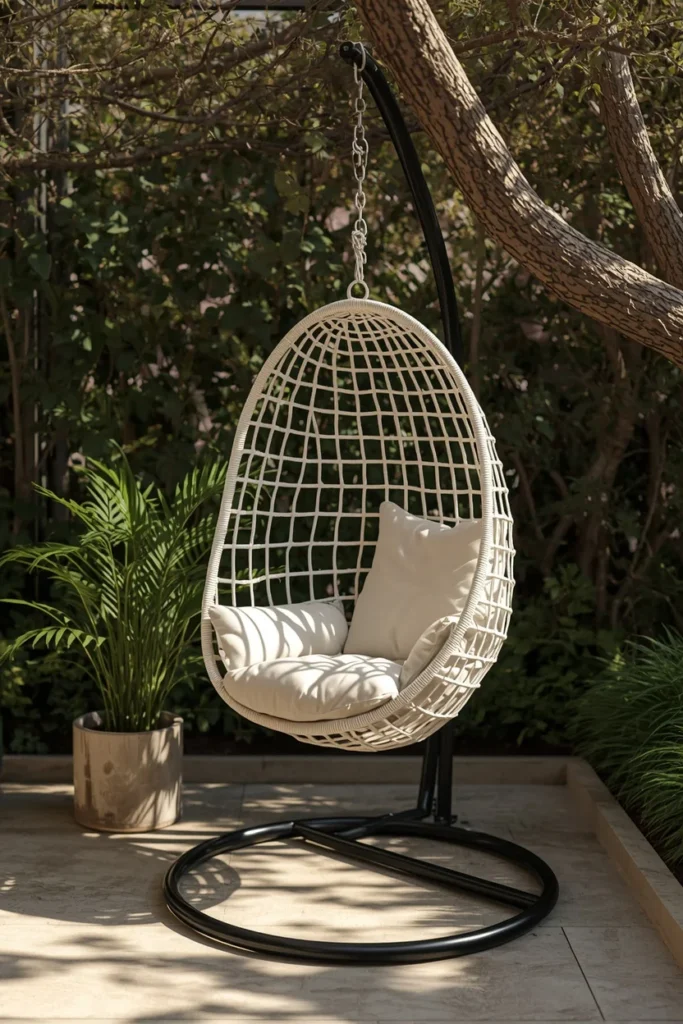
7. Cocoon-Style Hanging Egg Chair
An egg-shaped hanging chair turns one corner of a patio into a spot people actually fight over. Look for a powder-coated steel or aluminum frame paired with a UV-resistant resin or rope weave, since natural rattan hanging chairs weather poorly when left outside year-round. A thick cushion insert, ideally filled with quick-dry foam, keeps the seat comfortable even after a light rain. Hang it from a sturdy A-frame stand rather than a single ceiling hook if your patio cover isn’t rated for the weight, since stands are more forgiving and easier to reposition. The suspended shape brings a resort feel to even a modest backyard, and it photographs well from almost any angle.
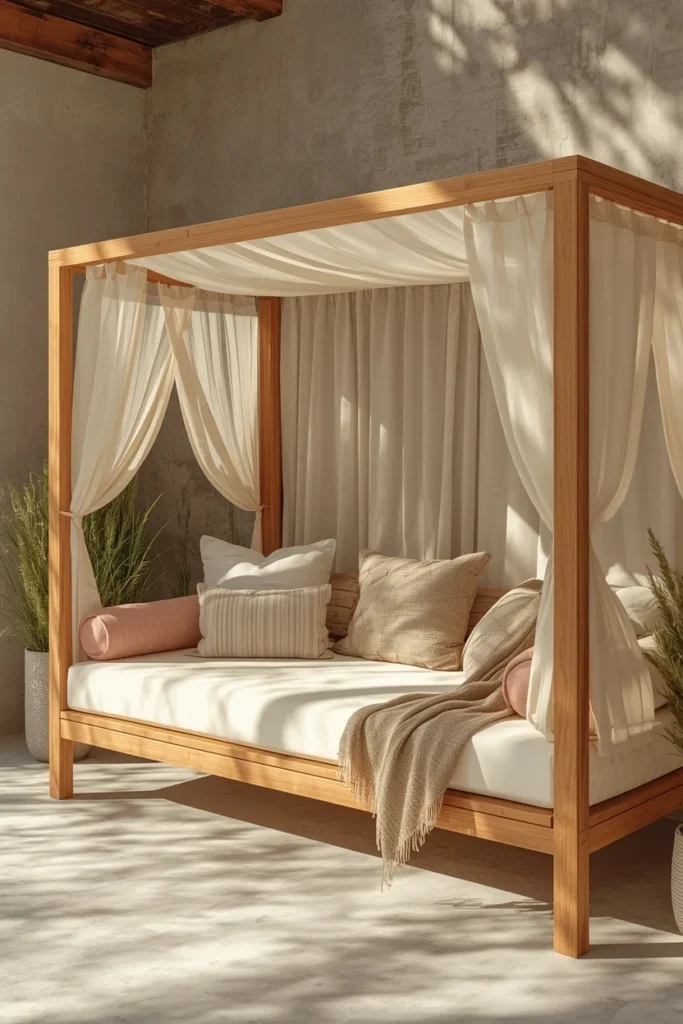
8. Weather-Resistant Daybed Lounger
A daybed changes what a patio is used for. Instead of just sitting, it invites an afternoon nap, a stack of magazines, or a spot to stretch out with a laptop. Look for a frame in powder-coated aluminum or teak, paired with a thick Sunbrella cushion that dries fast after rain instead of holding water in the foam. A daybed with a slight canopy or adjustable backrest adds shade without needing a separate umbrella, which matters if the spot gets full sun in the afternoon. Position it somewhere with at least a little privacy, like near a fence line or tucked beside tall planters, so it feels like an actual retreat rather than furniture placed in the open.
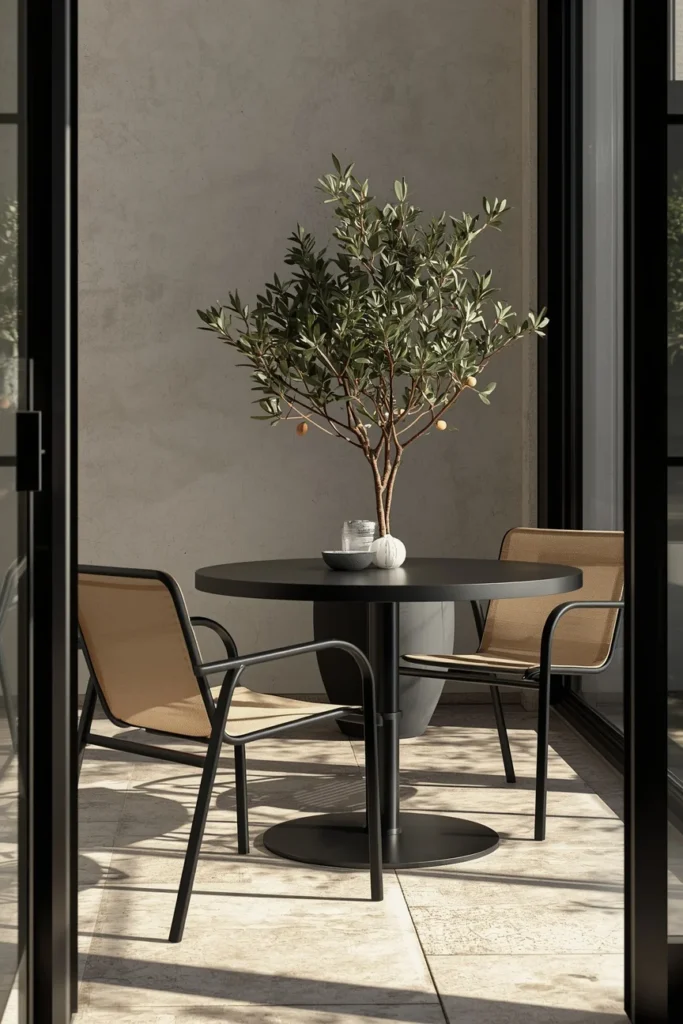
9. Black-Frame Modern Sling Chairs
Black frames are having a real moment because so many newer homes already use black window trim, railings, or exterior doors, and matching furniture finishes to those details makes a patio feel connected to the house instead of separate from it. Sling chairs, where a single piece of weather-resistant mesh or Textilene fabric stretches across a slim metal frame, stay cooler in direct sun than fully cushioned seating and dry almost instantly after rain. They’re also lighter than most alternatives, which makes them easy to pull into a circle for extra seating when needed. Pair two or four of them around a simple round table for a clean, modern dining nook that doesn’t compete with a lot of other decor.
You may also like 25 Balcony Ideas That Turn Even the Smallest Outdoor Space Into a Retreat
10. Woven Rope Accent Chairs
Woven rope furniture has a lighter, more textured look than wicker, and it’s become a favorite for softening patios with a lot of hard landscaping, like stone pavers or brick. The rope is typically synthetic polypropylene wrapped tightly around a metal frame, so it resists fading and won’t absorb water the way natural cord would. One or two rope accent chairs work well flanking a small side table, or pulled up next to a fire pit for extra seating that doesn’t need cushions to look finished. The texture also photographs beautifully next to greenery, which makes these chairs a natural pick if you’re planning to style the space for photos as well as everyday use.
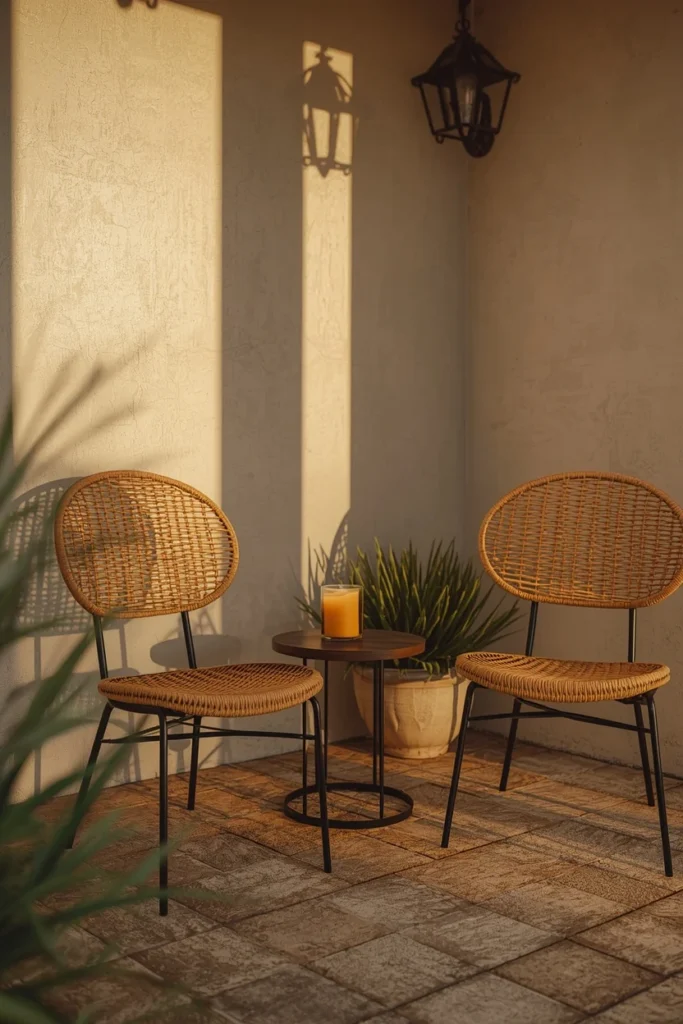
11. Circular Conversation Set
A circular seating arrangement, whether it’s a curved sectional or four chairs pulled into a loose ring, does something a straight-line setup can’t: it puts everyone’s face in view at once. That small shift changes how a space actually gets used, since guests naturally end up talking to the whole group instead of just the person beside them. A round or oval coffee table in the center keeps the circle from feeling too spread out. This layout works especially well around a fire pit or in a backyard corner where you want the seating to feel like its own defined room, separate from the rest of the yard.
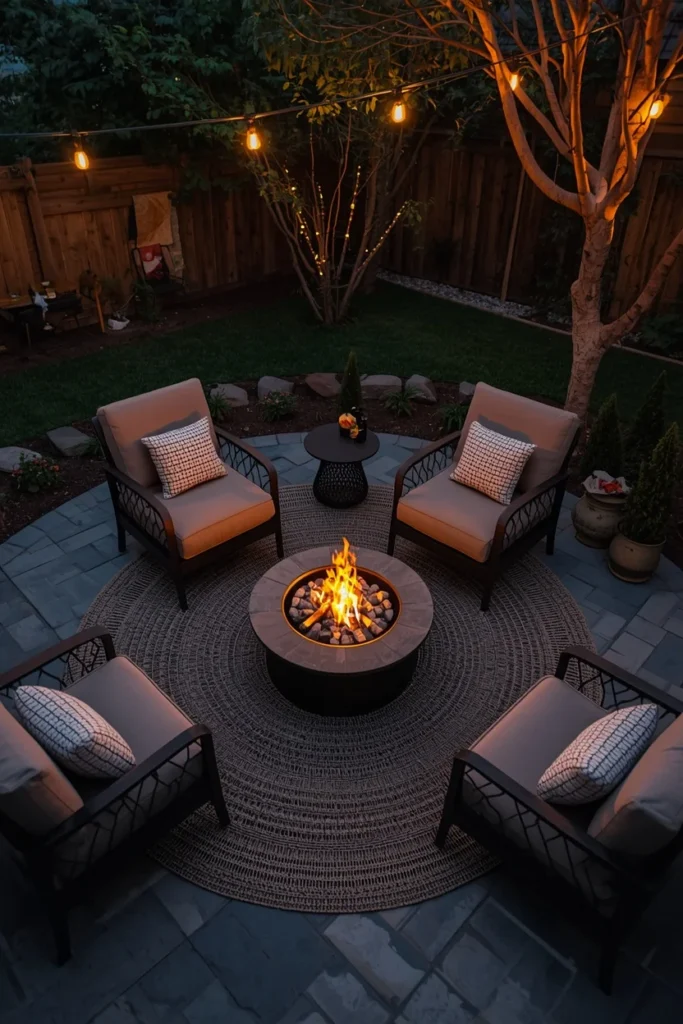
12. Foldable Bistro Chairs for Balconies
Bistro-style dining has become the go-to solution for anyone working with a balcony or a small patio slab, since a compact round table paired with two foldable chairs takes up barely any floor space and still feels like a real dining spot. Look for chairs with a folding steel or aluminum frame so they can lean flat against a wall when you need the space back. A woven or striped seat pad softens the metal without adding bulk. This setup borrows from café dining, where the goal was always fitting real hospitality into a tight footprint, and it translates well to apartment balconies and narrow side yards alike.
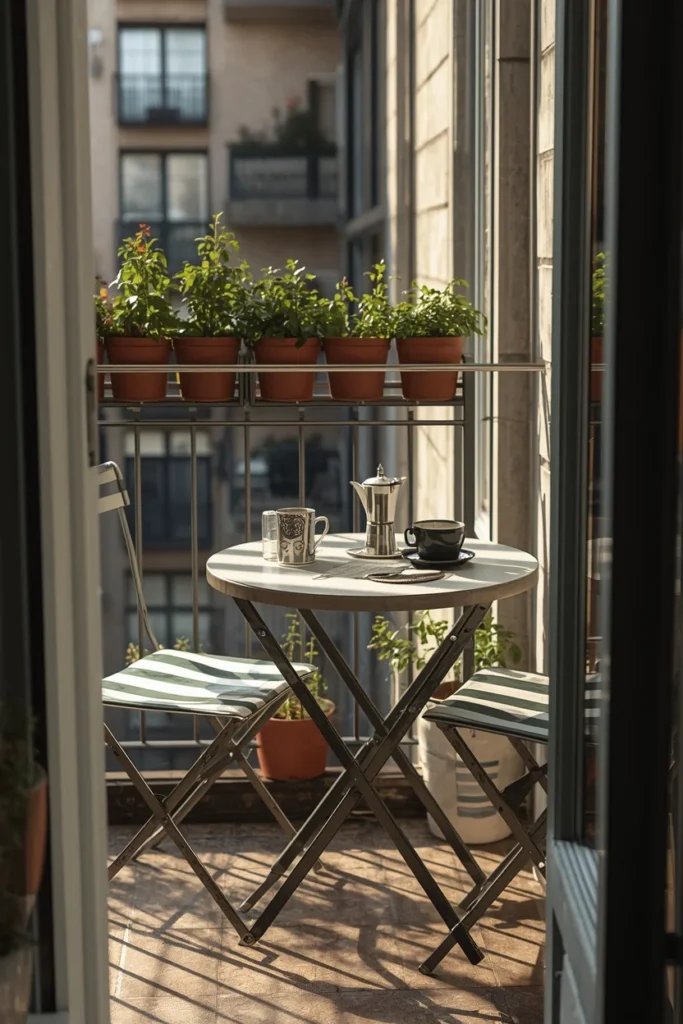
13. Sectional Paired with a Fire Pit Table
Combining a sectional with a fire pit coffee table turns a seating area into something you’ll use well past the warm months. Look for a propane or natural gas fire table with a matching or complementary top material to the rest of your furniture, like a stone or concrete surface that echoes a nearby side table. Keep the sectional roughly 24 to 36 inches back from the fire table so there’s enough breathing room for safety and for people to get up without stepping over anyone. A cover for the fire table is worth the investment, since exposed burners and ignition systems don’t hold up as well to rain as the surrounding furniture does.
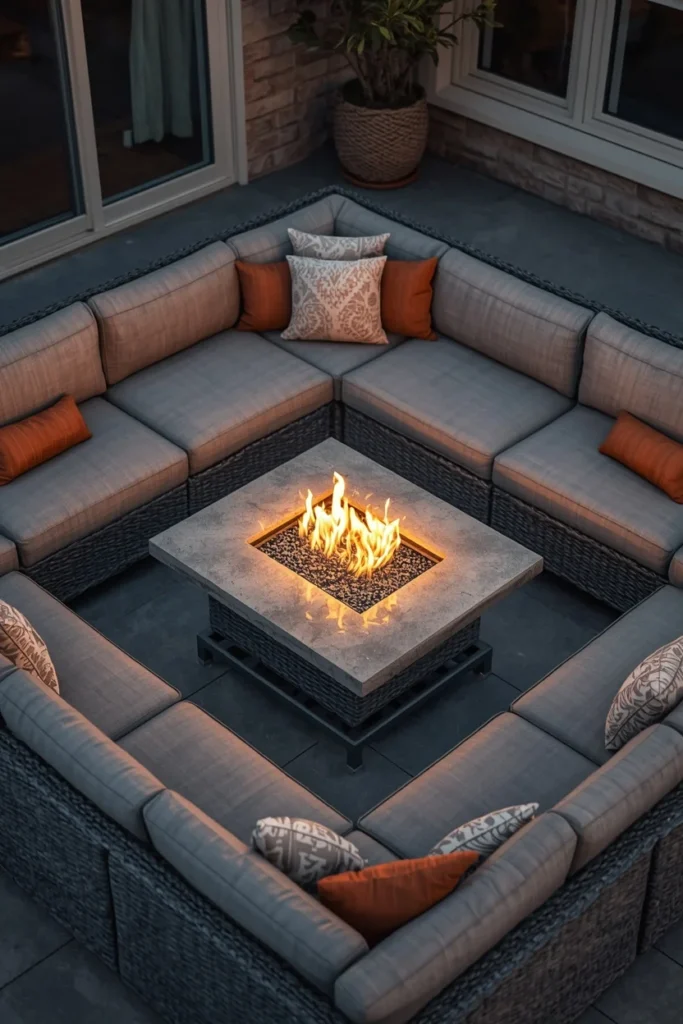
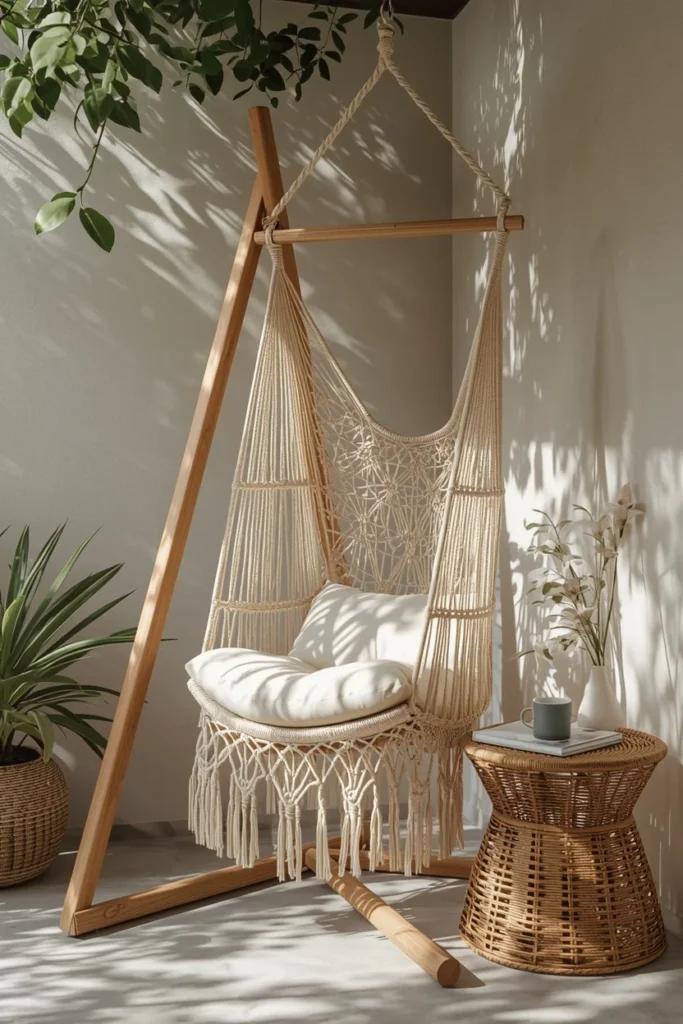
14. Hanging Hammock Chair Nook
A single hanging hammock chair takes up less space than almost any other seating option, which makes it a smart pick for a narrow side yard, a covered porch corner, or a spot under a tree. Cotton rope versions look beautiful but need to come inside during wet weather, so if the chair will live outside full time, choose one made from marine-grade rope or UV-treated polyester instead. A simple wooden stand keeps installation easy if you don’t have a sturdy beam or pergola to hang it from. Add a small round side table nearby for a drink or a book, and the whole nook becomes a legitimate reading spot rather than just a novelty chair.
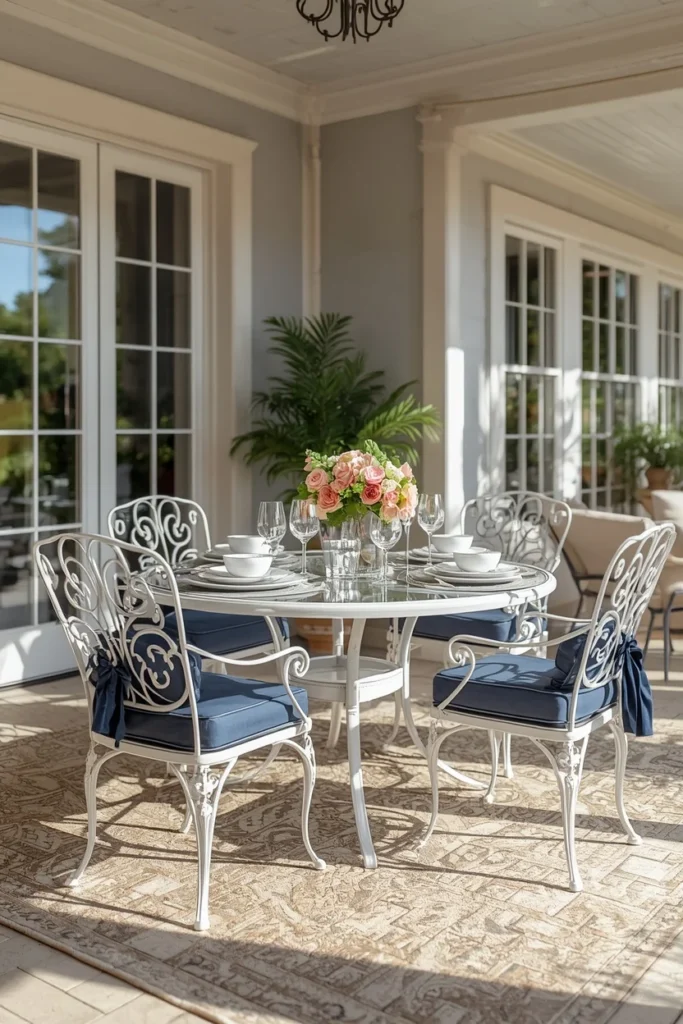
15. Cast Aluminum Dining Chairs with Cushions
Cast aluminum dining chairs strike a balance that a lot of other materials can’t: they’re strong enough to hold up outdoors for over a decade, but light enough that one person can move a full set without help. Because aluminum doesn’t rust the way steel does, it holds up well in humid or rainy climates without the maintenance teak or wrought iron require. Ornate cast details, like scrollwork on the chair backs, give the set a more traditional look if that fits your style better than sleek modern lines. Add tie-on cushions in a durable outdoor fabric so the chairs stay comfortable through a full dinner, and store or cover the cushions during extended wet stretches to keep the foam from holding moisture.
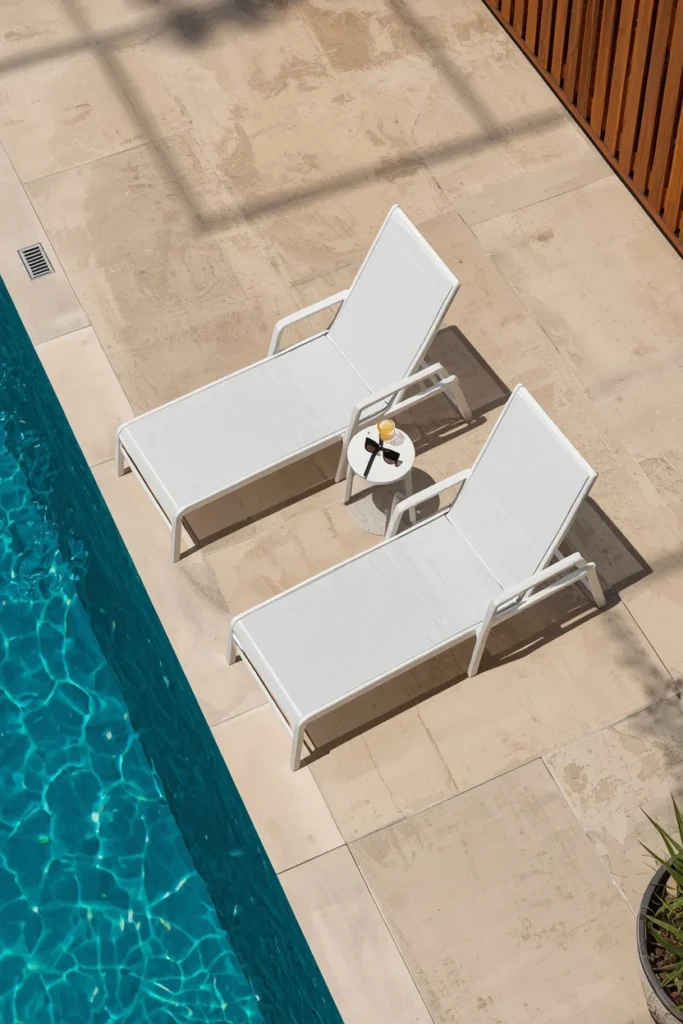
16. Poolside Chaise Lounge Pair
A pair of chaise lounges earns its place fast if there’s a pool, hot tub, or even just a sunny patch of lawn nearby. Marine-grade polymer or powder-coated aluminum frames handle constant splashing and sun exposure without the fading or warping that cheaper resin loungers show within a season. An adjustable backrest with multiple recline positions makes the difference between a chair you tolerate and one you actually nap in. Choose quick-dry mesh or sling fabric over a fully cushioned seat if the loungers sit close to water, since wet cushions take far longer to dry and can start smelling musty by midsummer.
You may also like 21 Pool House Ideas That Make Your Backyard Feel Like a Luxury Resort
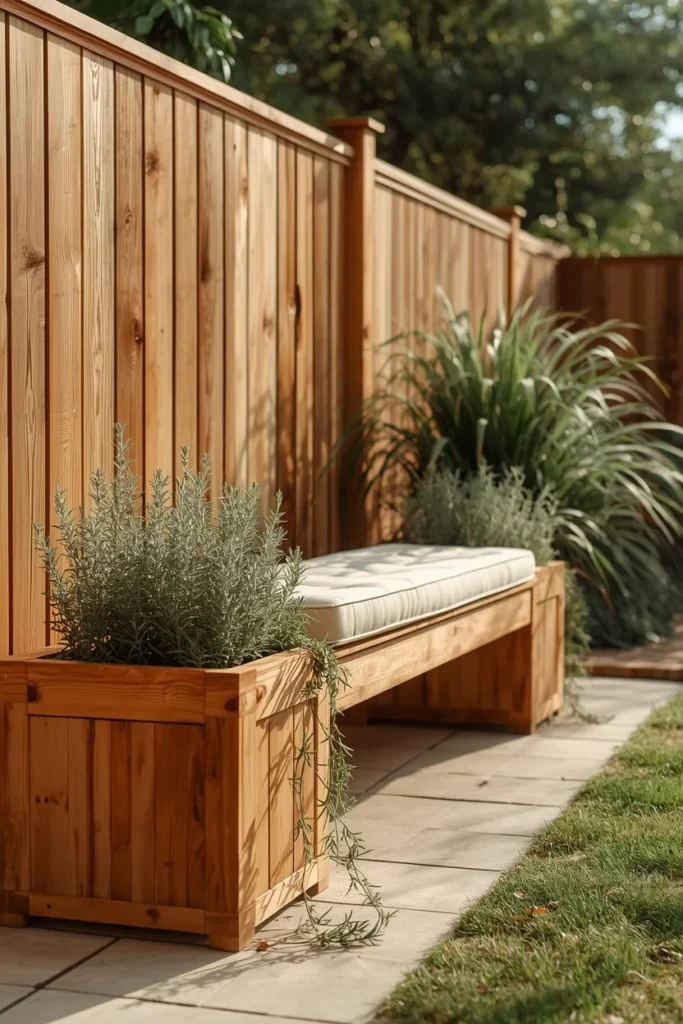
17. Bench Seating with Built-In Planter Ends
A bench with planter boxes built into each end solves two problems at once: extra seating and a spot for greenery, without needing separate furniture and pots. Choose a bench frame made from HDPE or pressure-treated wood sealed for outdoor use, since the planter sections hold soil and moisture directly against the material. Fill the planters with something low-maintenance, like ornamental grasses or trailing rosemary, so the greenery doesn’t need constant attention to look full. This style works especially well along a fence line or at the edge of a patio, where it acts as a soft divider between the seating area and the rest of the yard.
18. Outdoor Bar Cart or Bar-Height Table with Stools
A bar-height table with a couple of stools gives a patio a distinct zone for drinks and appetizers, separate from the main dining or lounge area, which matters when you’re hosting more than a few people. Look for a table with a weather-sealed wood or HDPE top and an aluminum or steel base so it can stay outside without a cover most of the year. Stools with footrests and slightly wider seats are more comfortable for longer gatherings than the narrow versions made for indoor kitchen islands. A small rolling bar cart is worth adding nearby if you entertain often, since it keeps glassware and bottles off the main table without needing a full outdoor kitchen.
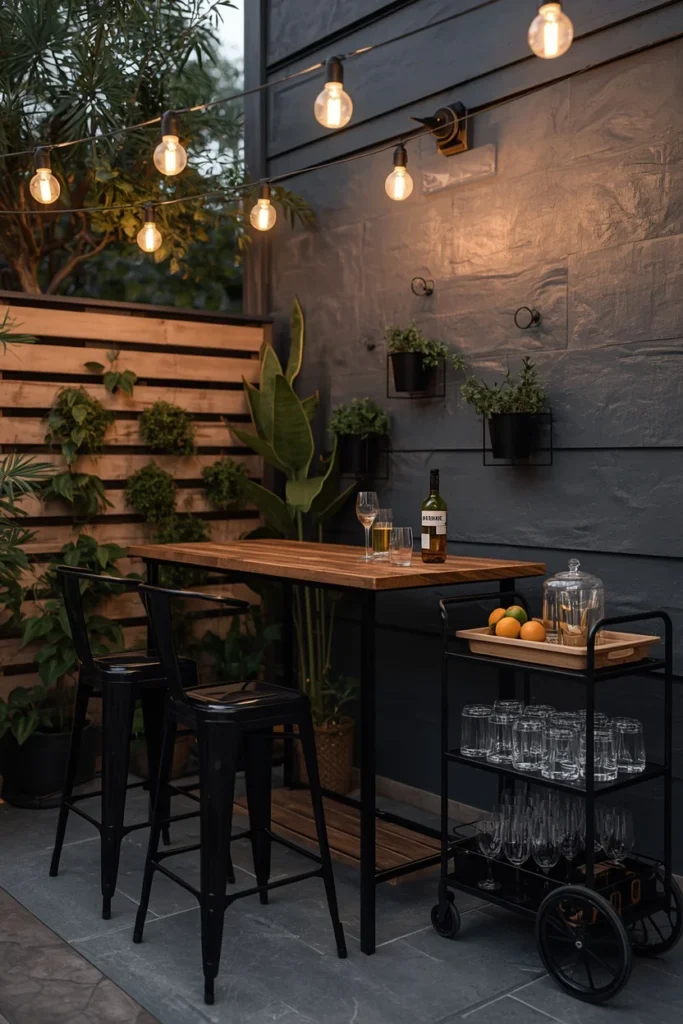
19. Nesting Side Tables in Poly Resin
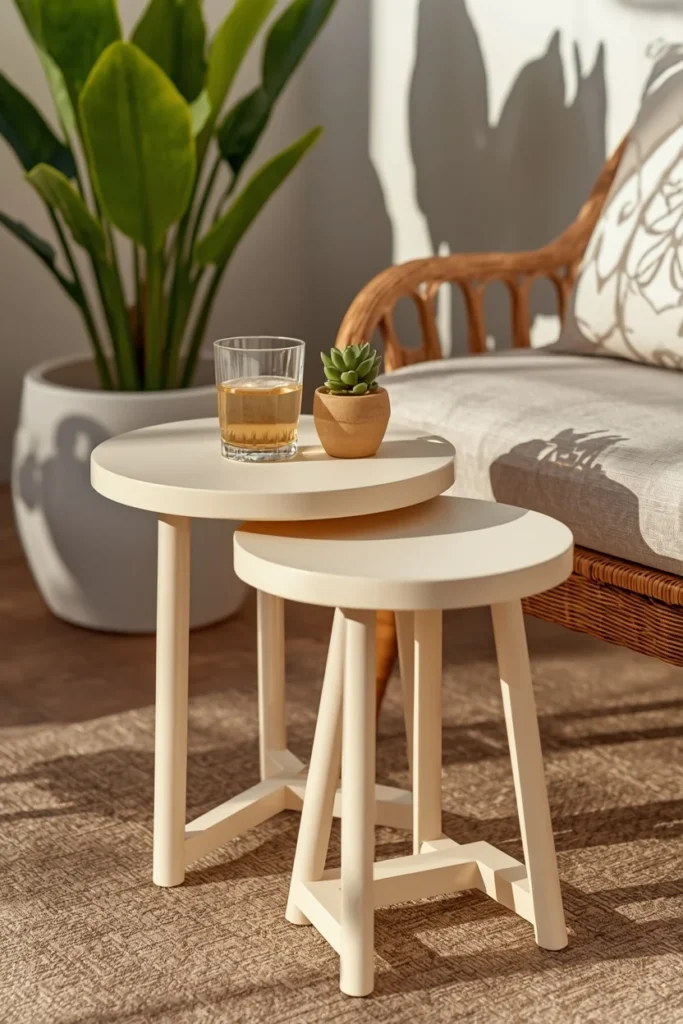
Nesting side tables solve the problem of never having quite enough surface space without permanently cluttering a small patio. A set of two or three, made from lightweight poly resin or powder-coated metal, can be pulled apart when guests are over and tucked back together the rest of the time. Choose tables in a range of heights so the smallest one can slide under the largest for storage. Because they’re light, one person can rearrange them easily, which matters most on a patio where the layout changes depending on how many people are actually there.
You may also like 19 Green House Exterior Ideas That Are Fresh, Bold & Beautifully Unexpected
20. Weather-Resistant Ottomans and Poufs
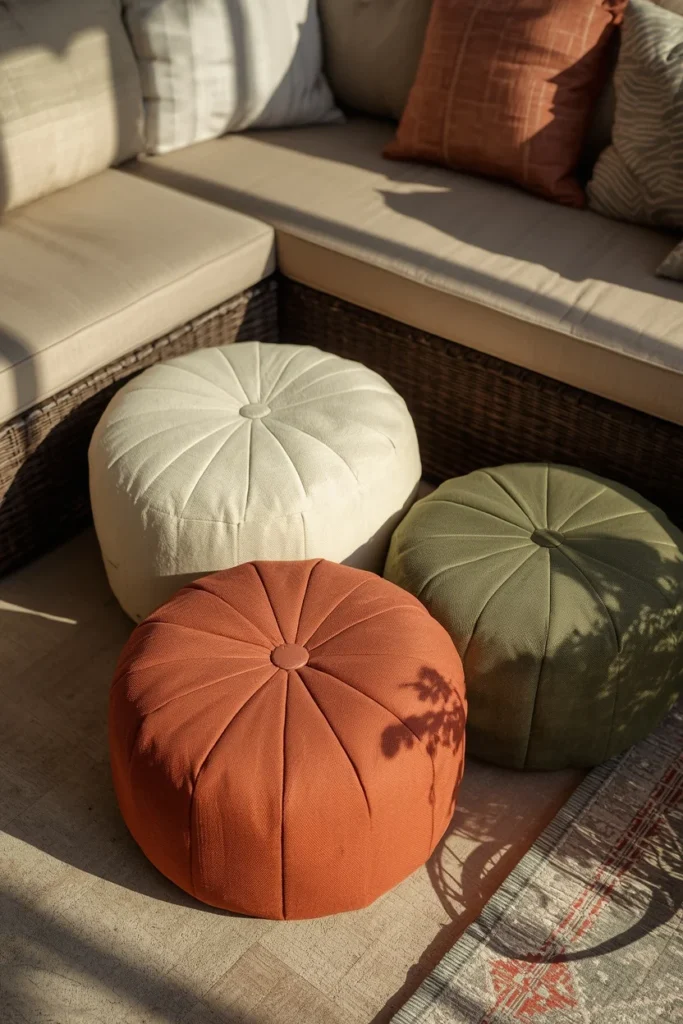
Ottomans and poufs are the easiest way to add flexible extra seating without committing to full chairs. Look for outdoor-rated versions made with a UV-resistant fabric shell and quick-dry foam or resin fill, since indoor poufs will mildew fast if left outside. They double as footrests for a lounge chair or extra seats when a gathering runs bigger than expected, and their light weight means they can be pulled wherever they’re needed in seconds. A few in mixed heights, grouped near a sectional or daybed, add a relaxed, layered look that a matched furniture set alone can’t create.
21. Wrought Iron Vintage-Style Set
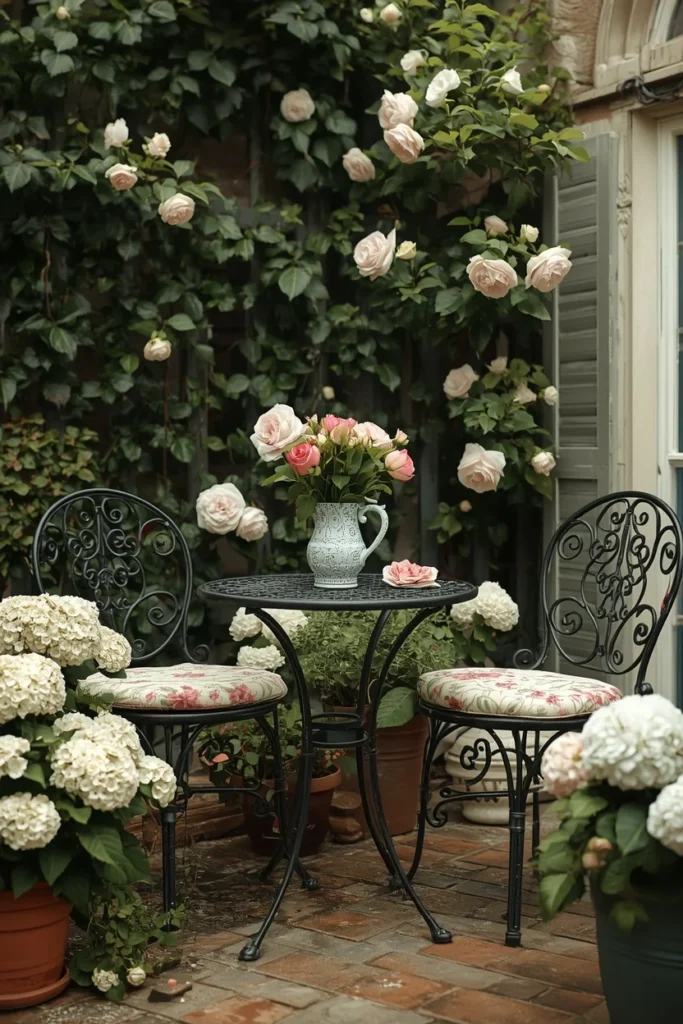
A wrought iron dining or seating set brings a garden-party feel that newer materials tend to skip past in favor of clean modern lines. Iron is heavy, which is actually an advantage outdoors since it won’t tip or blow around in wind the way lighter aluminum sometimes does. A powder-coated finish is essential here, since bare iron rusts quickly once the protective coating wears through, so check the coating quality before buying. This style pairs naturally with a cottage garden, a covered porch, or any patio leaning traditional rather than minimalist, especially alongside natural stone or brick.
You may also like 22 Front Porch Ideas That Give Your Home Instant Curb Appeal & Charm
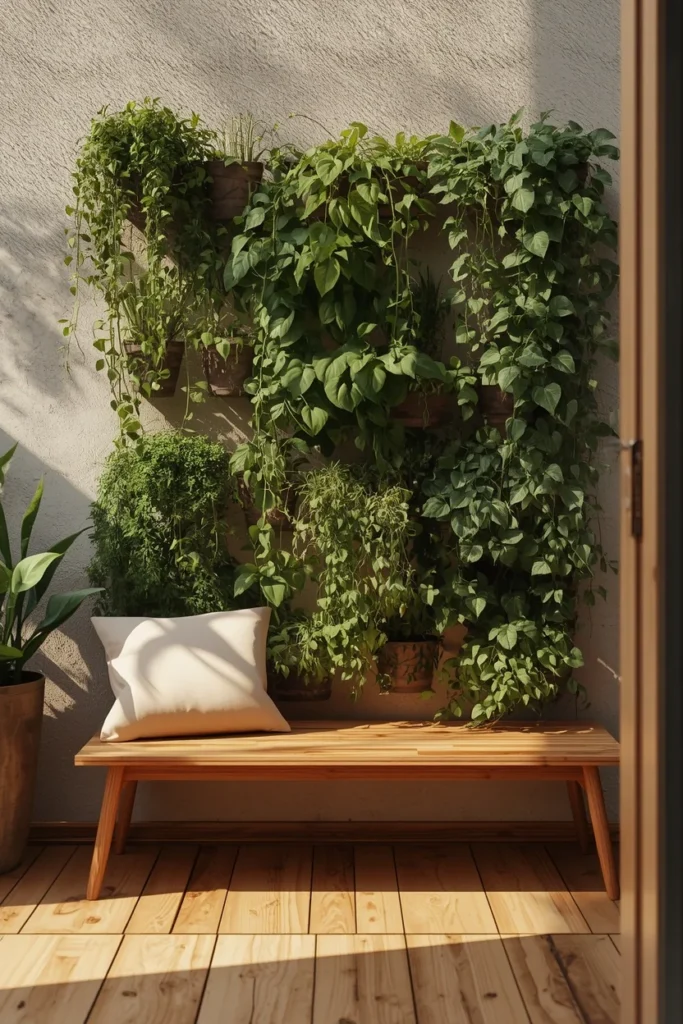
22. Vertical Garden Bench Combo for Small Spaces
When floor space runs out, the smartest move is building up instead of out. A simple bench paired with a vertical planter wall or trellis behind it adds greenery and privacy without eating into the seating area itself. Choose a modular vertical planter system that mounts to a fence or wall, then fill it with herbs, trailing vines, or seasonal flowers depending on the light the spot gets. This combination works especially well on apartment balconies or small urban patios where every square foot has to earn its place, giving the illusion of a much larger, greener space than the footprint actually allows.
23. Recycled Poly Lumber Adirondack Loveseat
A two-seat Adirondack loveseat made from recycled HDPE poly lumber is a genuinely sustainable pick, since the material is typically made from recycled milk jugs and other plastics diverted from landfills, and it never needs staining, sealing, or sanding to survive outside. It’s wider than a standard single Adirondack chair, so two people can sit together comfortably, which makes it a nice option for a smaller patio that doesn’t have room for two separate chairs. Because the color runs through the entire material rather than sitting on the surface, scratches and general wear barely show over time. It holds up in coastal air, humidity, and freeze-thaw cycles without cracking, which is more than most wood alternatives can promise.
24. All-Weather Rug and Layered Textile Styling
The furniture pieces above only tell half the story. A weather-resistant outdoor rug is what actually ties a patio together, defining the seating area the way a rug defines a living room indoors. Look for rugs made from polypropylene or recycled PET, both of which resist mold and dry quickly after rain without holding onto stains. Layer in a mix of throw pillows and a lightweight outdoor throw blanket in coordinating but not matching tones, since a slightly collected, mixed look reads as more intentional than a fully matched set. This final styling layer is often what separates a patio that looks like a furniture showroom from one that looks lived in and loved.
Styling Tips
Mixing materials instead of buying one matching set is what makes a patio look designed rather than assembled straight from a catalog box. Try pairing a teak dining table with woven or cast aluminum chairs, or a resin wicker sectional with a stone coffee table, so no single material dominates the space. Repeat two or three colors across cushions, planters, and rugs instead of introducing a new shade with every piece, which keeps a mixed set of furniture feeling connected. Height variation matters too: a low coffee table next to taller planters or a hanging chair gives the eye somewhere to travel instead of a flat, single-level layout.
Practical Implementation Ideas
Start with the piece you’ll use most, whether that’s a dining set for regular family meals or a lounge sectional for weekend downtime, and build the rest of the layout around it. Measure your space before buying anything, leaving at least 30 inches of walking room between furniture pieces so the area doesn’t feel cramped once everything is in place. If you’re furnishing in stages, buy the frames first and add cushions, rugs, and accessories later, since frames are the expensive, long-term investment and textiles are easy to swap seasonally. Group furniture into zones, like a dining area, a lounge area, and a fire pit circle, rather than spreading pieces evenly across the whole yard.
Common Mistakes to Avoid
Buying furniture based only on how it looks online, without checking the actual frame material, is the single biggest reason patio sets fail within a year. Skipping furniture covers is another common mistake, since even weather-resistant materials last longer with some protection during off-season months or extended storms. Choosing an all-matching set can also work against you, since it tends to look more like a display than a real living space. Finally, undersizing furniture for the space, like a tiny bistro set lost in a large backyard, wastes an opportunity to actually make the area feel finished.
Small-Space Alternatives
Balconies and narrow patios do best with foldable or nesting pieces that can shrink the footprint when you need the floor space back. A two-chair bistro set, a hanging hammock chair, or nesting side tables all deliver real seating and surface space without permanently crowding a small area. Vertical elements, like a wall planter behind a bench, add greenery without taking up floor space at all. Light-colored, lightweight materials like aluminum or poly resin also make a small space feel less packed than heavy dark furniture would in the same footprint.
Budget-Friendly Alternatives
HDPE poly lumber and powder-coated aluminum both deliver strong durability without the price tag that comes with Grade-A teak or wrought iron. A single well-made sectional or dining set, dressed up with inexpensive throw pillows and an affordable outdoor rug, often looks more finished than a full matching set bought all at once at a lower price point. Buying frames at the end of summer, when retailers discount patio inventory to clear space for fall stock, is one of the most reliable ways to get higher-quality materials at a lower cost.
Pro Styling Recommendations
Choose warm frame finishes, like flax, barley, or hazel tones, if your patio backs up to greenery or wood accents, since these tones blend more naturally into a landscape than cool gray ever did. If your home has black window frames, railings, or trim, echo that with black furniture frames to visually connect the patio to the house itself. Layer lighting at more than one level, combining string lights overhead with a lantern or two at table height, so the space feels inviting once the sun goes down instead of relying on one overhead source.
FAQs
Conclusion
The best patio furniture isn’t the set that looks flawless in a catalog photo. It’s the pieces that survive your actual weather, fit your actual space, and still look good after a full season of real use. Start with one or two anchor pieces in a durable material, build the rest of the layout around how you actually plan to use the space, and let the styling details, rugs, cushions, and greenery, do the work of pulling it all together. A patio built this way tends to get used a lot more than one assembled purely for looks.