20 Summer House Interior Ideas That Are Bright, Breezy & Beautifully Relaxed
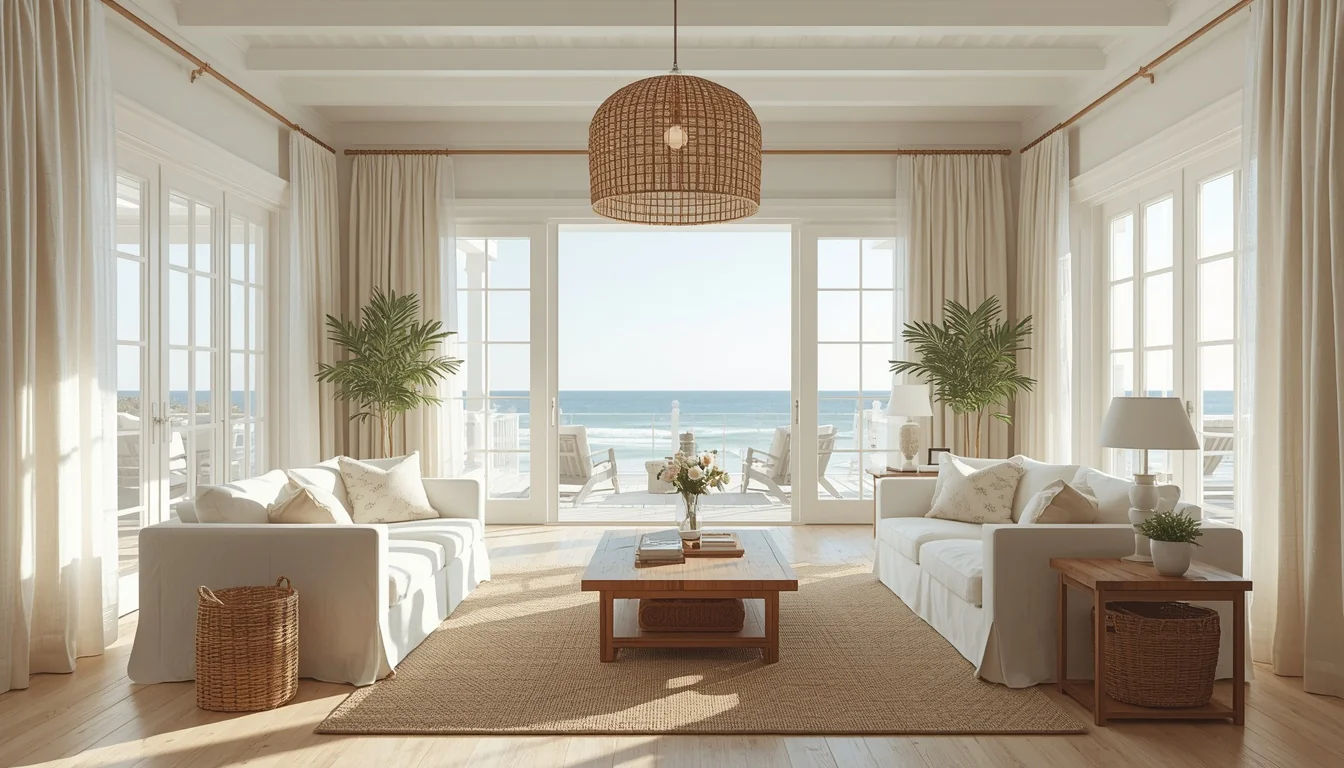
The best summer houses don’t try hard. Nothing about them feels styled within an inch of its life. A slipcovered sofa gets a little softer with every wash. The floors are pale enough to hide sand. Every window seems to be open, even the ones that technically aren’t.
That relaxed, sun-bleached feeling isn’t an accident. It comes from specific choices: fabrics that don’t mind salt air or wet swimsuits, colors pulled from the actual landscape outside the window, and a layout that keeps blurring the line between indoors and out.
This guide covers 20 of those choices, whether the home in question sits on the coast, on a lake, or just needs to feel a little more like a getaway during the warmer months.
Table of Contents
1. Blue-and-White Coastal Living Room, Reimagined
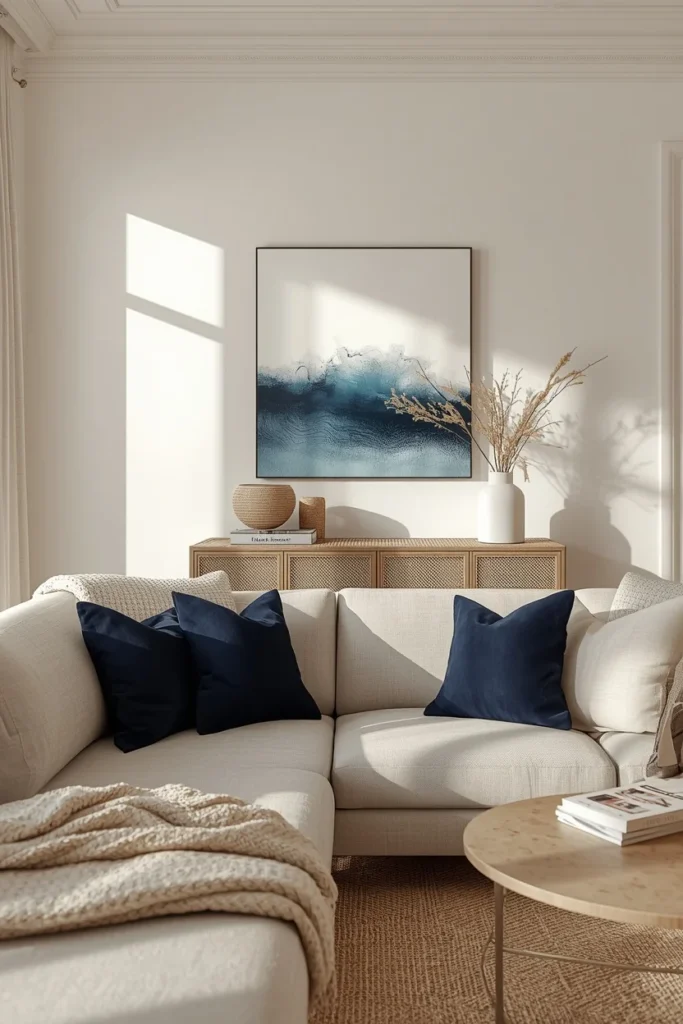
The classic blue-and-white coastal palette is still relevant in 2026, but the most current version trades heavy nautical motifs like ropes and anchors for something quieter and more architectural. Pairing a soft, warm white wall with deep navy accents in a woven throw or a set of ceramic lamps keeps the look grounded rather than themed. Layering in sand and cream tones alongside the blue prevents the room from reading as a costume of “beach house” and instead lets it feel like a genuinely lived-in space. A single piece of abstract, wave-inspired art works better here than a literal seascape, since it nods to the coast without spelling it out. This update suits anyone who loves the classic palette but wants the room to feel more current and less like a theme park version of the beach.
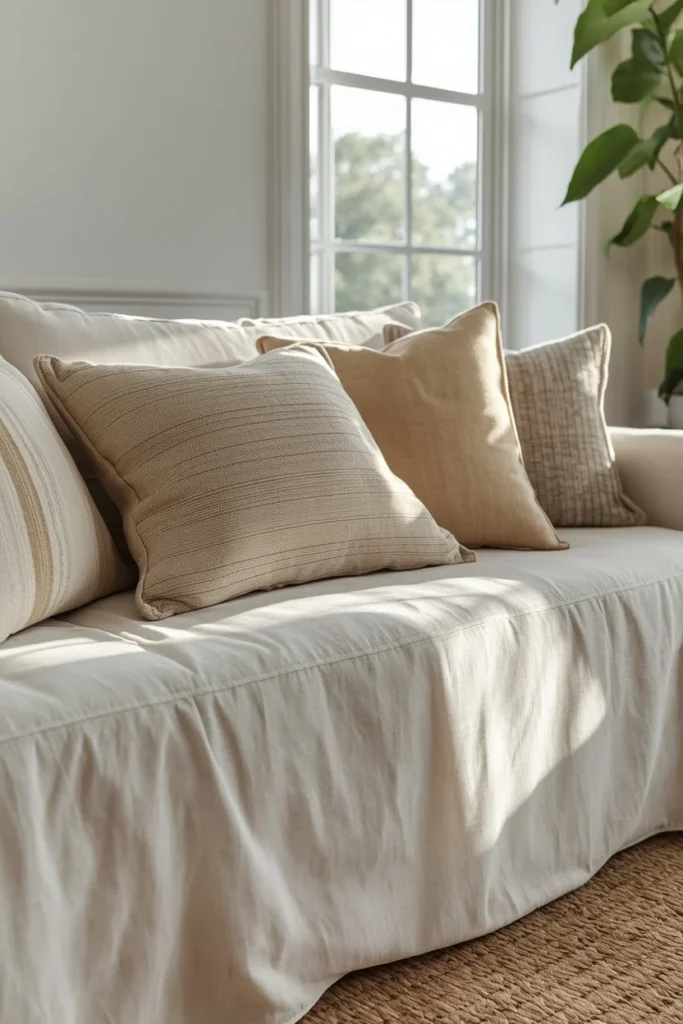
2. Slipcovered Linen Sofa for Easy-Care Living
A slipcovered sofa in a washable linen or cotton blend is one of the most practical choices for a summer house, since it stands up to wet swimsuits, sandy feet, and sunscreen without much worry. Choosing a relaxed silhouette with a slight skirt, rather than a tailored, tight-back frame, reinforces the easygoing feel that defines summer house style. Because the cover is removable, the whole piece can be refreshed with a new fabric down the line without replacing the sofa itself. A neutral or soft white slipcover works as a blank canvas for seasonal pillow swaps, letting one piece of furniture carry the room through multiple color moods across the year. This is consistently one of the highest-value purchases for a home that sees frequent guests, kids, or pets during the warmer months.
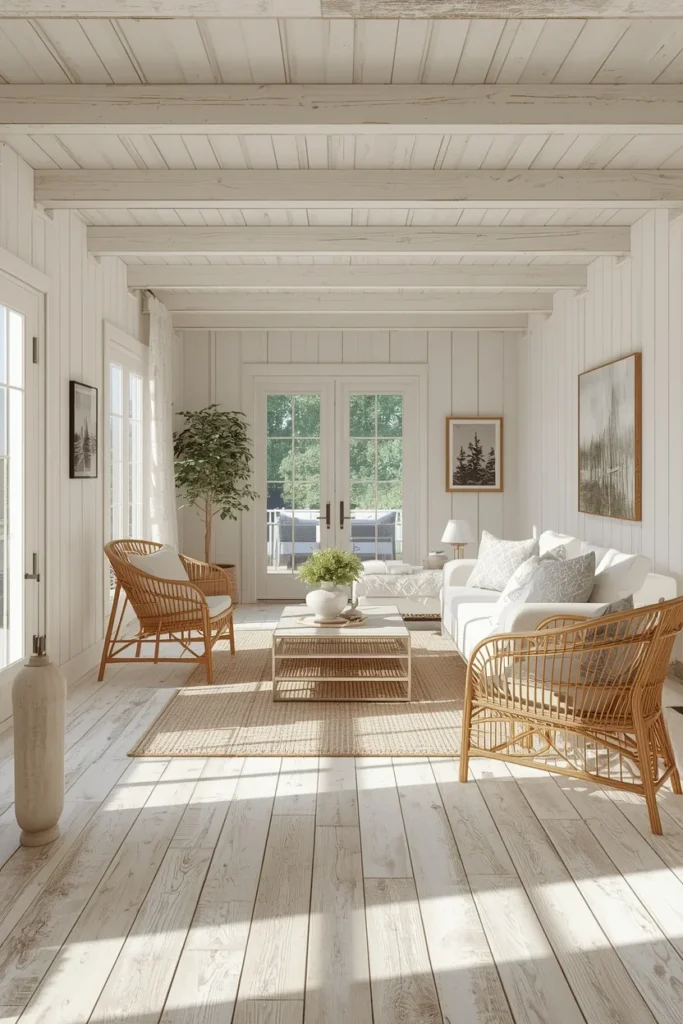
3. Whitewashed Wood Floors and Ceiling Beams
Whitewashing existing wood floors and exposed ceiling beams brightens a room while keeping the natural grain and texture of the wood visible underneath the finish. This treatment works especially well in older summer cottages with darker original wood, since it lightens the whole space without requiring a full floor replacement. Pairing whitewashed floors with warm-toned furniture and natural fiber rugs keeps the look from feeling too stark or clinical. The same treatment applied to ceiling beams draws the eye upward and makes low-ceilinged cottage rooms feel taller and airier than they actually are. This is a moderate weekend-project level update for a confident DIYer, though hiring a flooring professional is worth it for larger square footage or engineered wood floors that require specific products.
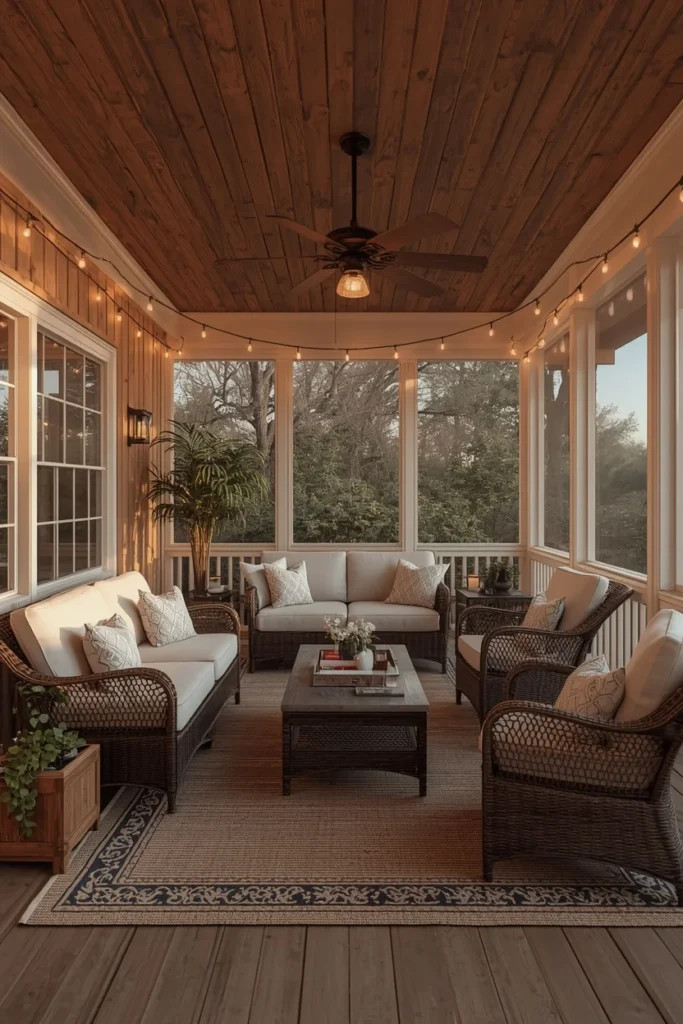
4. Screened Porch as a True Outdoor Living Room
Furnishing a screened porch with the same intention as an indoor living room — a proper sofa, a coffee table, real lighting, even a rug — turns it into the most-used room in a summer house rather than an afterthought. Choosing performance fabrics rated for humidity and indirect sun exposure keeps upholstery from fading or mildewing over a season of use. Adding a ceiling fan and layered lighting, including a floor lamp or string lights, extends the porch’s usability well past sunset. A stone or brick fireplace, where the layout allows for one, stretches the porch’s season even further into cooler evenings. This idea works best when the porch is treated as a genuine room in the floor plan rather than a transitional space people pass through on the way outside.
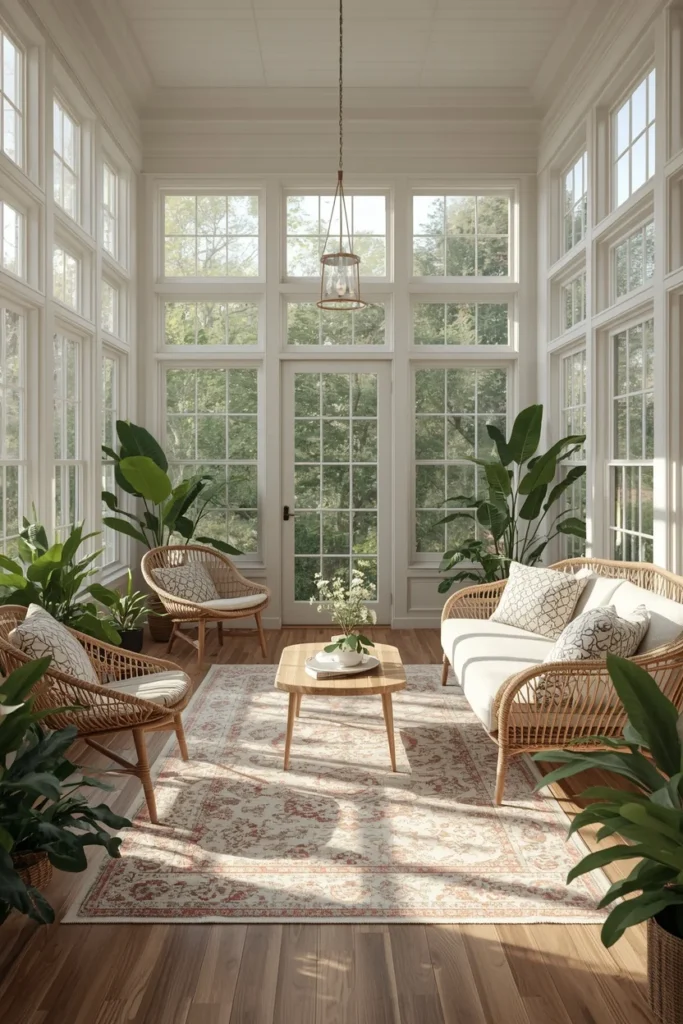
5. Sunroom with Wicker and Rattan Furniture
A sunroom filled with natural wicker and rattan furniture takes full advantage of its abundant daylight while keeping the material palette light and breathable rather than heavy. These woven materials hold up well to direct sun exposure over time, unlike some upholstered fabrics that can fade or degrade more quickly. Adding a mix of a plush sofa alongside wicker armchairs balances comfort with the airy, textural look the room is known for. A floral or botanical area rug and a scattering of full-sun houseplants round out the space, since a sunroom’s high light levels make it one of the easiest rooms in the house to keep greenery thriving. This room works well as a breakfast nook, a reading room, or simply an extension of the main living area during the warmer months.
6. Rattan and Woven Pendant Lighting
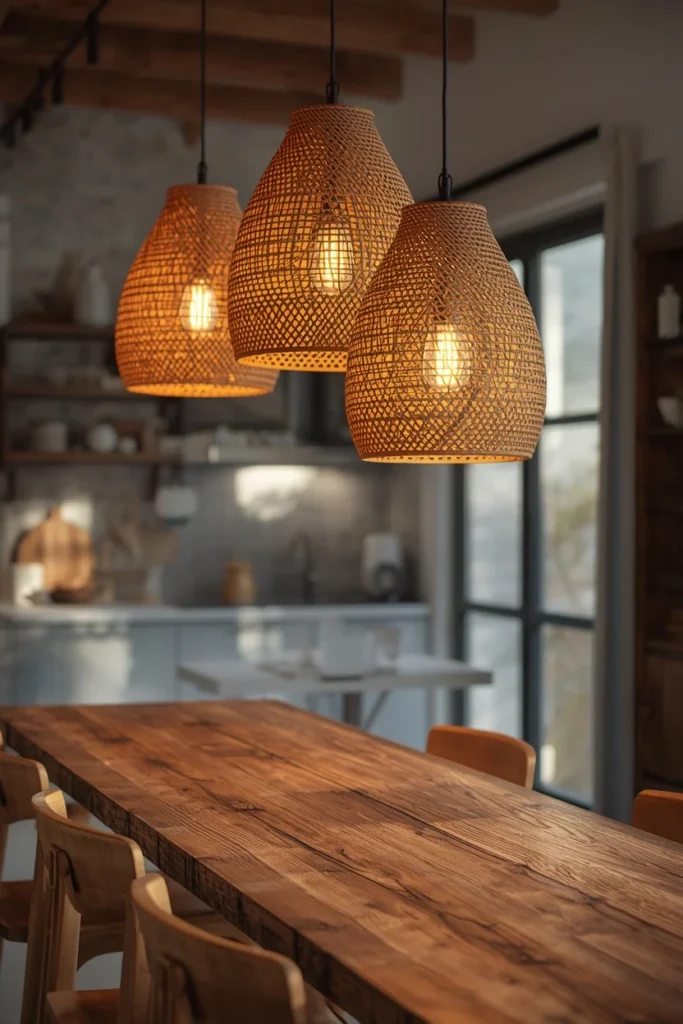
Swapping a standard overhead fixture for a woven rattan or seagrass pendant brings texture into a room without adding any additional color or pattern. The natural material catches and diffuses light in a softer, warmer way than a plain glass or metal shade, which suits the relaxed mood a summer house is going for. These fixtures work especially well over a kitchen island, a dining table, or a bedside reading nook, where a warm, textural glow matters more than bright, direct light. Pairing multiple woven pendants at slightly different heights over a longer dining table creates visual rhythm without needing a single oversized statement fixture. This is a relatively low-cost, high-impact swap that instantly nudges a room’s mood toward coastal or relaxed cottage style.
7. Natural Fiber Jute and Sisal Rugs
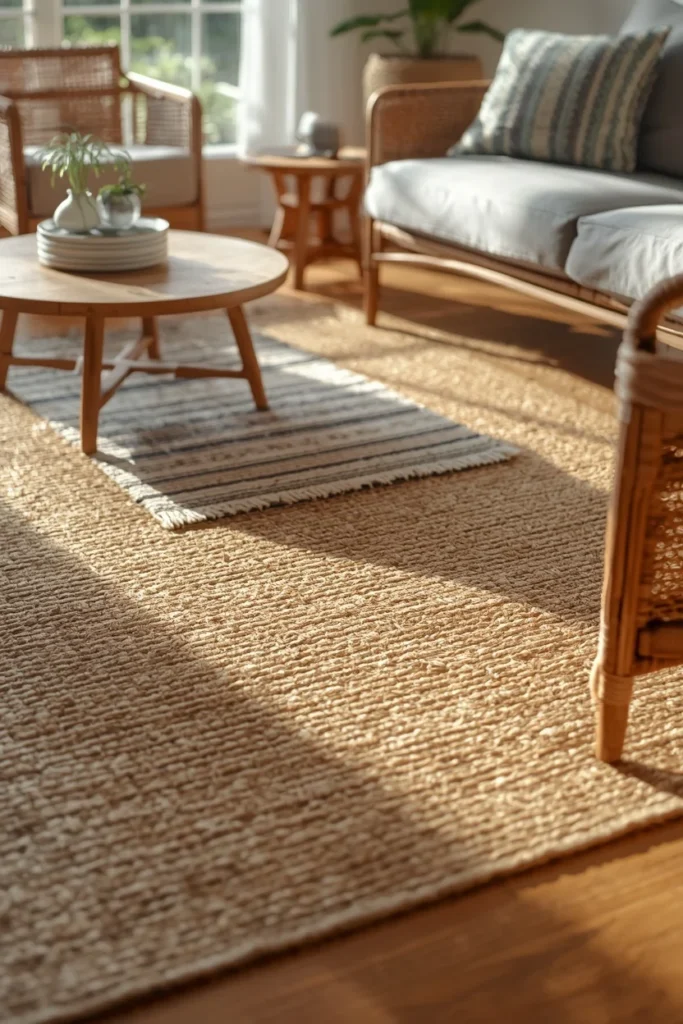
A jute or sisal rug grounds a summer house room in texture rather than color, which keeps a bright, light-filled space from feeling flat or sterile. These natural fiber rugs also tend to hide sand and light dirt better than a plush pile rug, making them a practical choice for homes with a lot of barefoot traffic in and out from the beach or yard. Layering a smaller printed or striped rug on top of a larger jute base adds pattern without losing the grounding texture underneath. Because natural fiber rugs are relatively affordable compared to wool or silk options, they’re an easy way to update flooring across multiple rooms without a major budget commitment. They pair naturally with whitewashed floors, wicker furniture, and slipcovered upholstery for a cohesive, textural look throughout the home.
8. Beadboard Paneling and Wainscoting
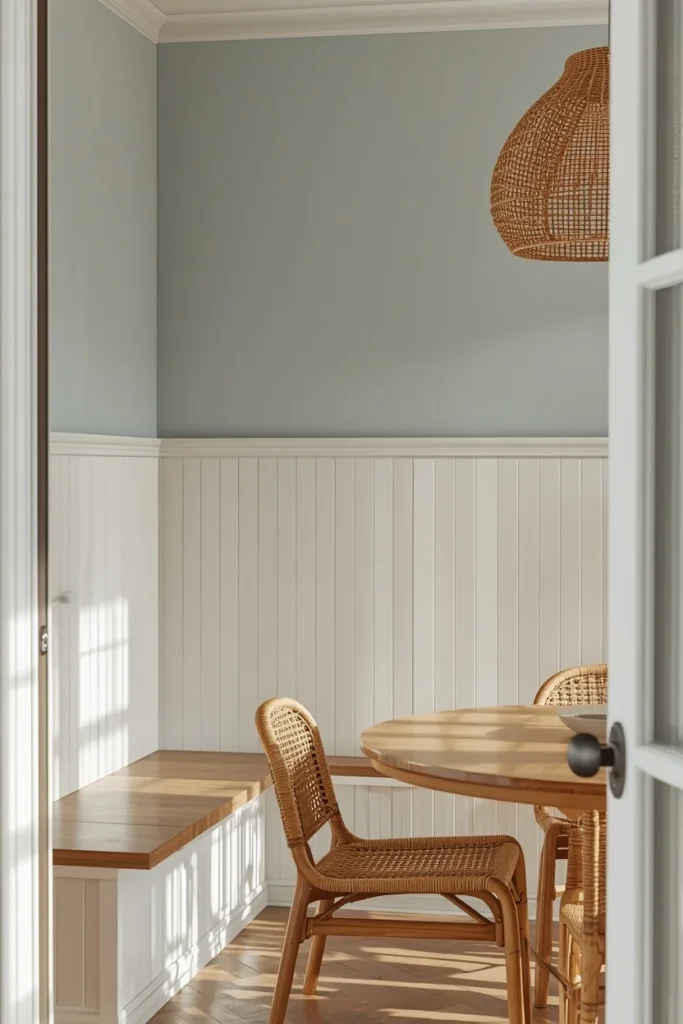
Beadboard paneling along the lower half of a wall, painted in a soft white or pale blue, brings classic cottage character into a room without requiring major structural work. This detail is especially common in coastal and lake house bathrooms, mudrooms, and dining nooks, where it adds texture and a slightly nautical reference without leaning on literal decor motifs. Pairing beadboard with a simple chair rail and a contrasting paint color on the upper wall creates a clean visual break that makes ceilings feel taller. Because beadboard panels are relatively inexpensive and straightforward to install, this is one of the more accessible architectural upgrades for a summer house renovation. It suits both fully renovated homes and older cottages looking to restore some of their original character.
9. Breezy Sheer Linen Curtains
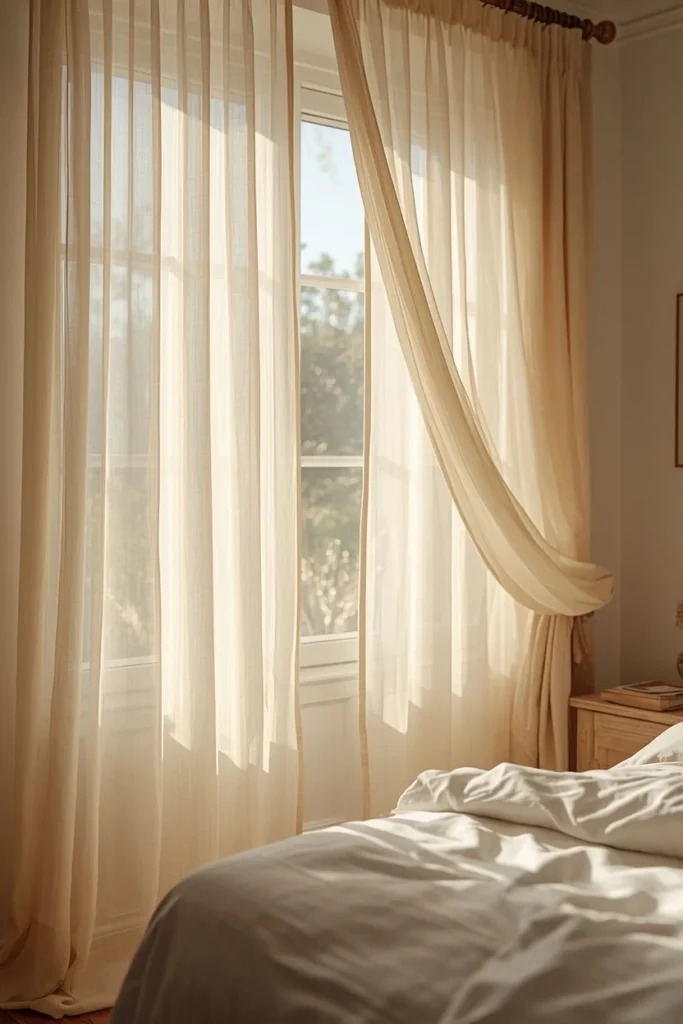
Lightweight, sheer linen curtains let air and light move through a room while still softening hard window lines, which matters enormously in a summer house where the goal is airiness over privacy. Hanging them from a simple rod close to the ceiling, rather than tight to the window frame, makes the whole window feel taller and more generous. Choosing an off-white or very pale neutral keeps the panels from yellowing as quickly as stark white fabric can under strong sun exposure. These curtains work especially well paired with French doors or larger window walls that open onto a porch or patio, since the sheer fabric moves visibly with any breeze coming through. It’s a simple, inexpensive detail that does a disproportionate amount of work in setting a relaxed, breezy mood.
10. Indoor-Outdoor Dining Through French Doors
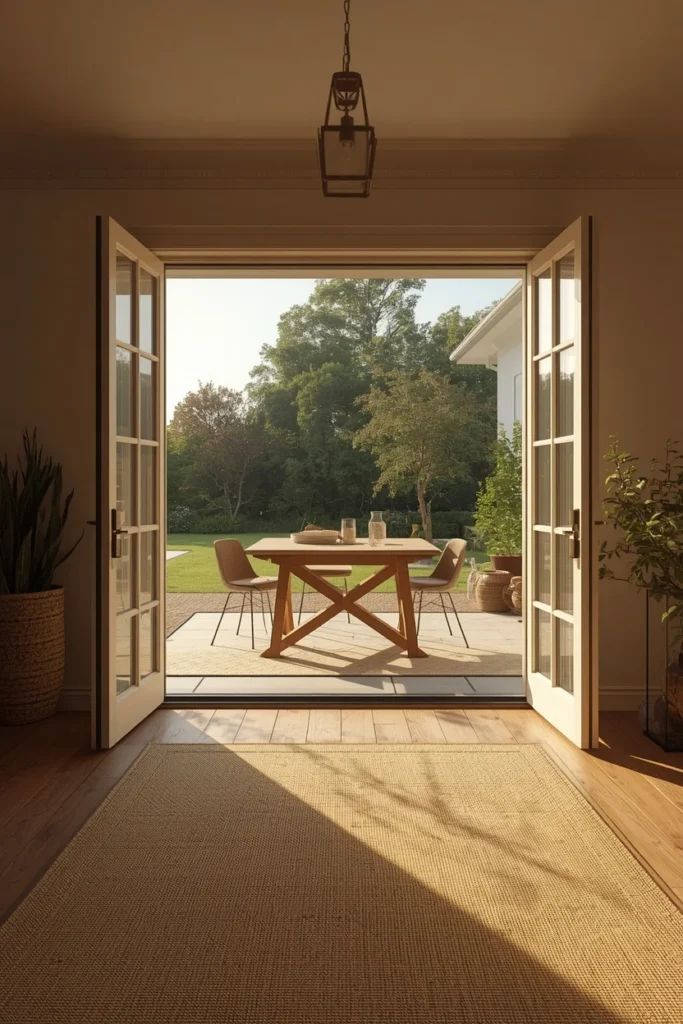
A dining area positioned near a set of French doors that open fully onto a patio or deck erases the boundary between indoor and outdoor entertaining, letting a single table setup expand into the yard whenever weather allows. Choosing a dining table and chair set that reads equally well in both settings, such as a teak or weathered wood table, means furniture doesn’t need to be swapped out depending on where the meal ends up. Keeping the doors’ hardware and trim in a simple, unobtrusive finish helps the transition between rooms feel seamless rather than like two separate spaces bumping into each other. This layout works particularly well for homes that host frequent summer gatherings, since it effectively doubles the usable dining capacity without adding square footage. A shared indoor-outdoor rug that continues underfoot across the threshold reinforces the connection even further.
11. Warm, Sun-Drenched Coastal Palette
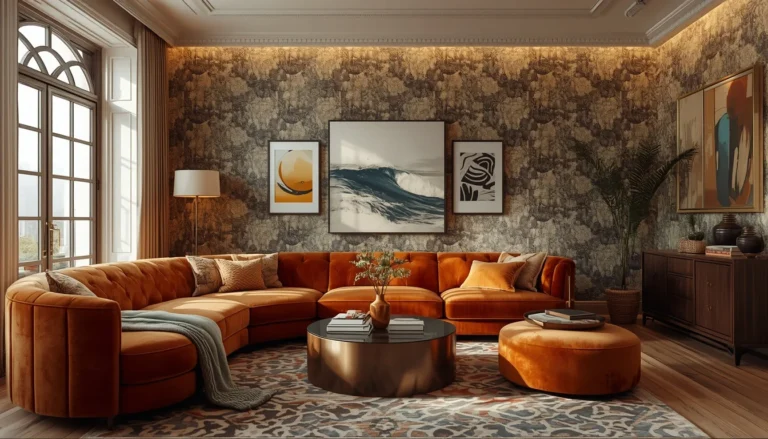
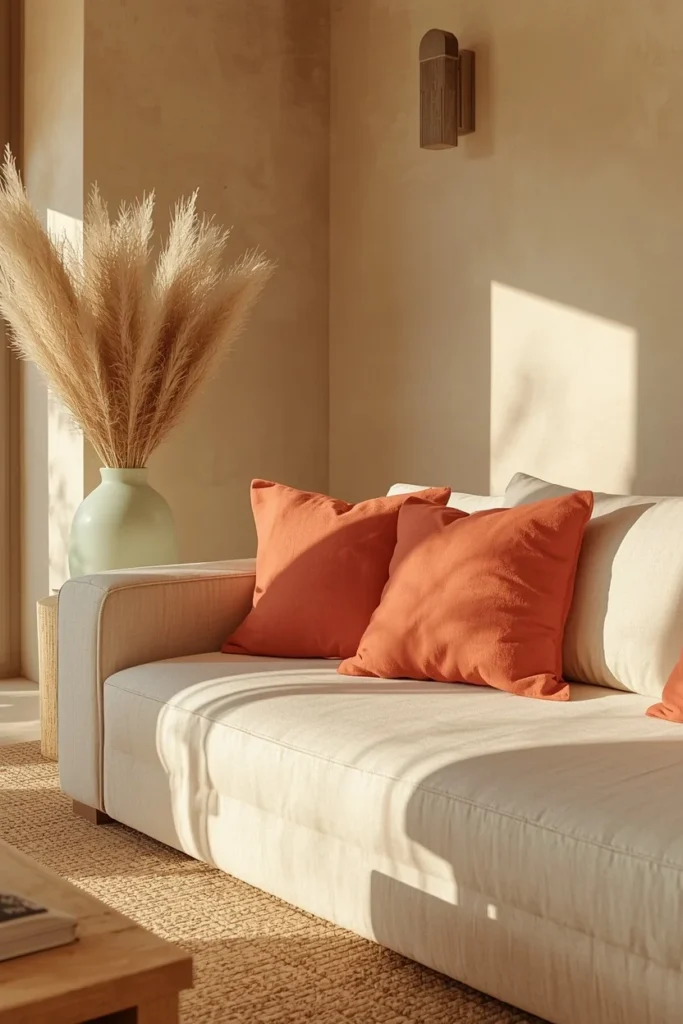
Moving beyond the traditional cool blue-and-white scheme, a warmer coastal palette built around coral, persimmon, and sandy terracotta tones brings a sun-drenched, Mediterranean feel into a summer house. These warmer shades work particularly well layered against a warm white or cream wall, since the contrast feels vibrant without overwhelming the room. A touch of pale mint or sea-glass green alongside the warmer tones keeps a subtle nod to the coast without relying on traditional navy blue. This palette suits homes that want to feel expressive and personal rather than following the more common cool coastal formula, and it photographs particularly well in natural afternoon light. It’s a strong option for anyone refreshing a summer house who wants something that still reads as warm-weather appropriate without repeating the same blue-and-white look as every other coastal home.
12. Outdoor Shower and Mudroom Entry
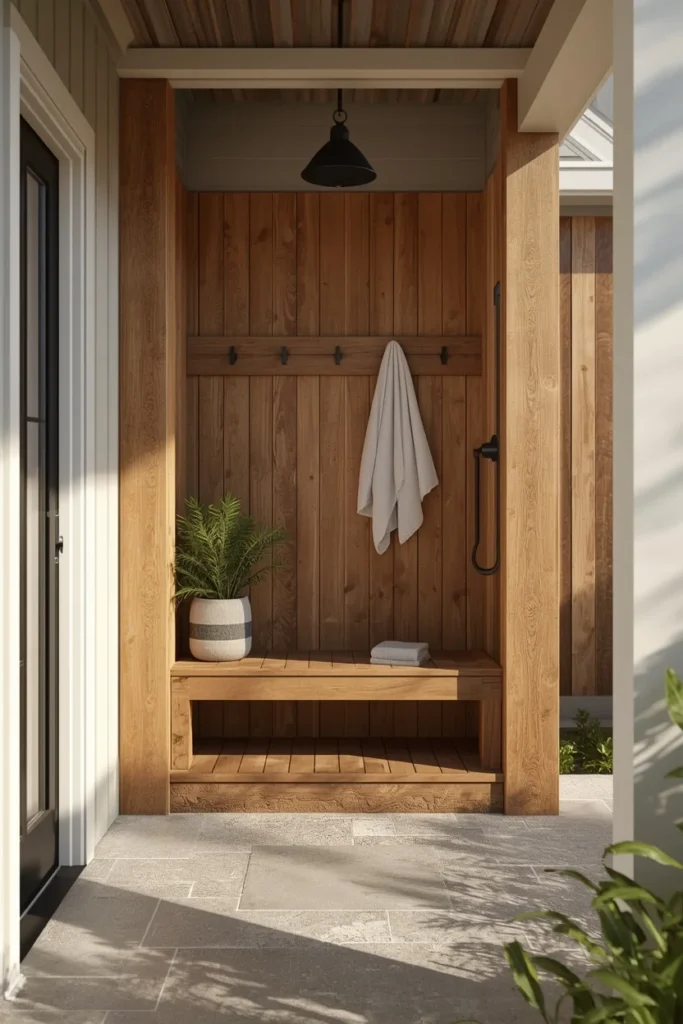
A dedicated outdoor shower near the main entry, paired with a mudroom-style landing zone just inside the door, keeps sand, saltwater, and grass clippings from making their way through the rest of the house. Simple hooks, a bench, and a durable tile or stone floor in the entry area make it easy to rinse off and change before stepping further inside. This detail matters most for homes near a beach, lake, or pool, where the daily in-and-out traffic can otherwise put real wear on interior flooring and furniture. Choosing a natural wood or stone surround for the outdoor shower keeps it feeling like an intentional design feature rather than a purely utilitarian add-on. It’s a practical upgrade that also tends to become one of the most-loved features of a warm-weather home.
13. Ticking Stripe and Awning Stripe Textiles
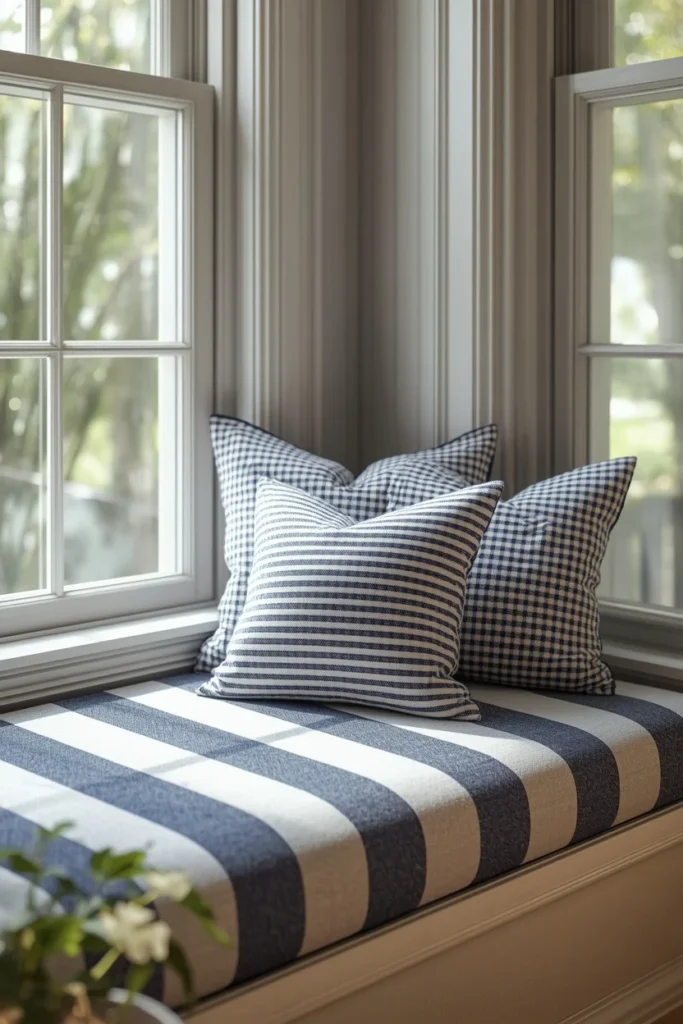
Classic ticking stripe and wider awning stripe fabrics bring a timeless, tailored pattern into a summer house without feeling overly themed or dated. These stripes work well on pillows, a window seat cushion, or even a full slipcover, especially when kept to a simple two-color combination like navy and white or a warmer terracotta and cream. Because stripes read as classic rather than trendy, they tend to have a longer decorating shelf life than more of-the-moment patterns. Mixing a narrow ticking stripe with a wider awning stripe in the same room adds visual interest without needing a third pattern to balance them. This textile choice pairs naturally with slipcovered furniture and beadboard paneling for a cohesive, classic summer house look throughout a room.
14. Hammock or Porch Swing Reading Nook
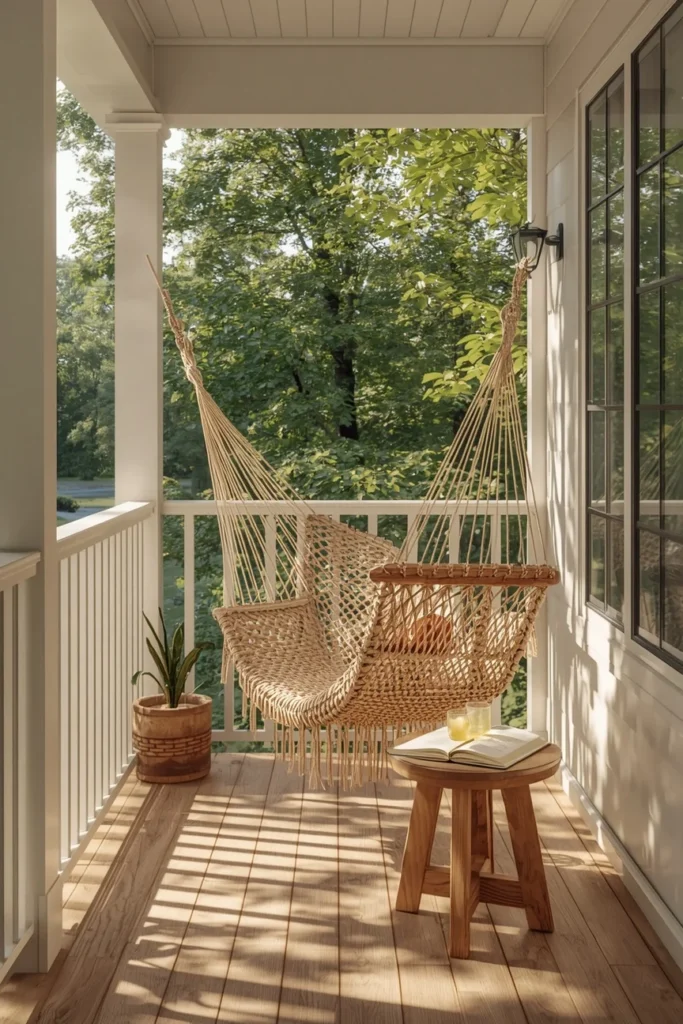
A hammock or a hanging porch swing tucked into a shaded corner of a porch or under a tree gives a summer house a dedicated, low-effort relaxation spot that doesn’t require any indoor square footage at all. Choosing weather-resistant rope or canvas materials means the piece can stay outside through most of the season without much maintenance. Adding a small side table nearby for a drink or a book turns the spot into a genuine reading nook rather than just a place to sit. This idea works well alongside a screened porch setup, giving guests a second, more casual seating option beyond the main furniture arrangement. It’s one of the lowest-cost additions on this list, and often becomes one of the most photographed corners of the whole property.
15. Driftwood and Reclaimed Wood Accents
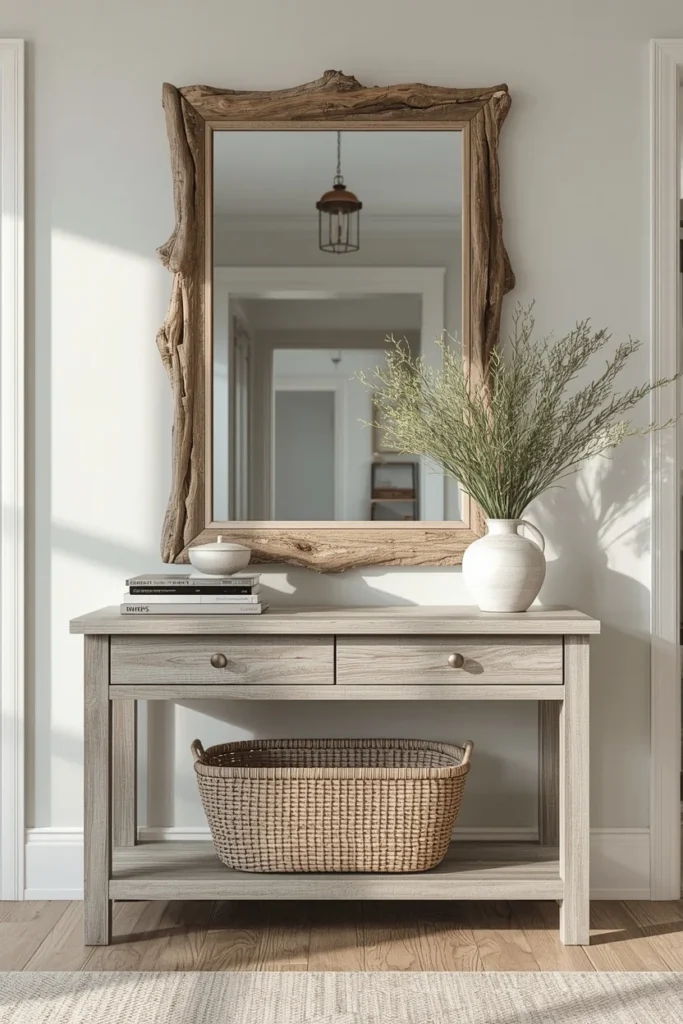
Incorporating driftwood or reclaimed wood pieces, whether as a coffee table base, a mirror frame, or a piece of sculptural decor, brings genuine texture and history into a summer house without leaning on obvious nautical themes. The weathered, silvery-gray tone of driftwood pairs naturally with whitewashed floors and natural fiber rugs, reinforcing the same sun-bleached palette throughout the room. Choosing one or two larger driftwood pieces, rather than scattering many small ones, keeps the look feeling curated instead of like a beach gift shop display. This material choice suits homes near the coast especially well, since it echoes the actual landscape outside rather than a generic decorative reference to it. A single driftwood mirror or console table can anchor an entire room’s material palette on its own.
16. Open-Plan Kitchen, Living, and Dining Flow
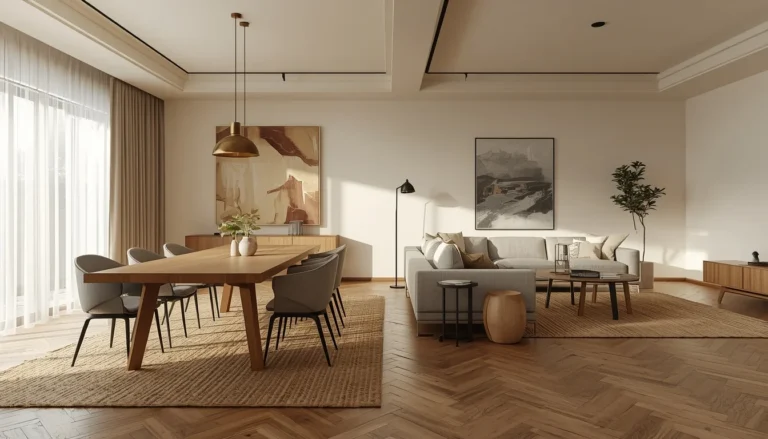
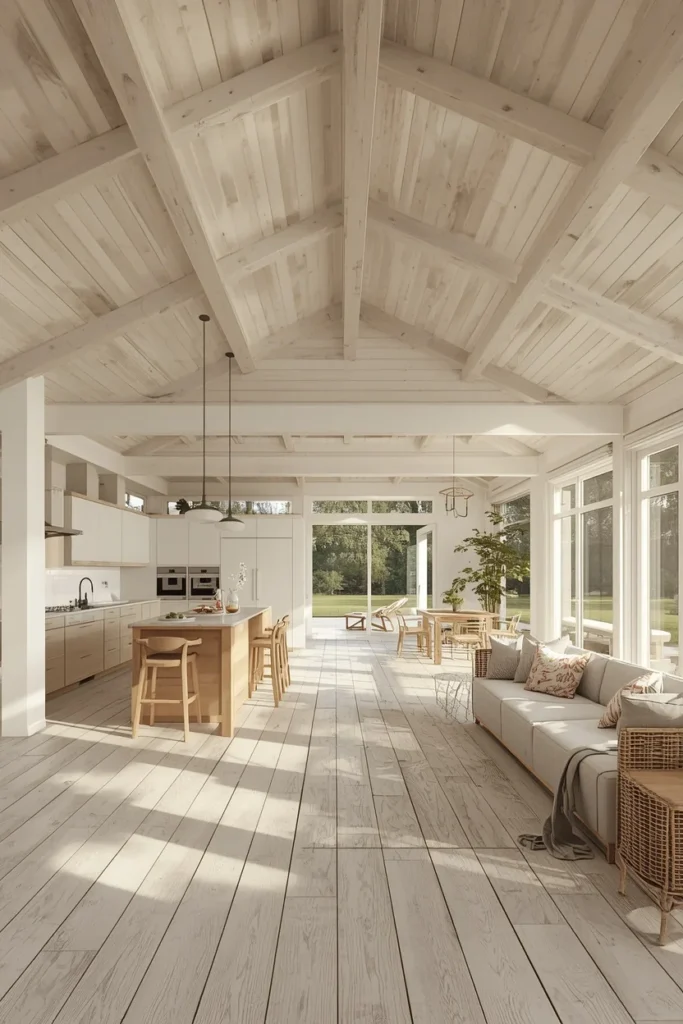
Combining the kitchen, living, and dining areas into one open, airy layout creates the harmonious, effortless feel that defines the best summer house interiors. This layout works particularly well when paired with a consistent flooring material and color palette across all three zones, so the eye reads the whole space as one continuous room rather than separate boxes. A kitchen island with seating on one side naturally becomes the meeting point between the cooking and living zones, letting whoever’s preparing food stay part of the conversation. Large windows or glass doors along one wall of the open space bring in enough natural light to keep the whole layout feeling bright rather than cavernous. This open flow suits how most people actually use a summer house: cooking, eating, and relaxing all happening within sight and earshot of each other.
17. Woven Baskets and Seagrass Storage
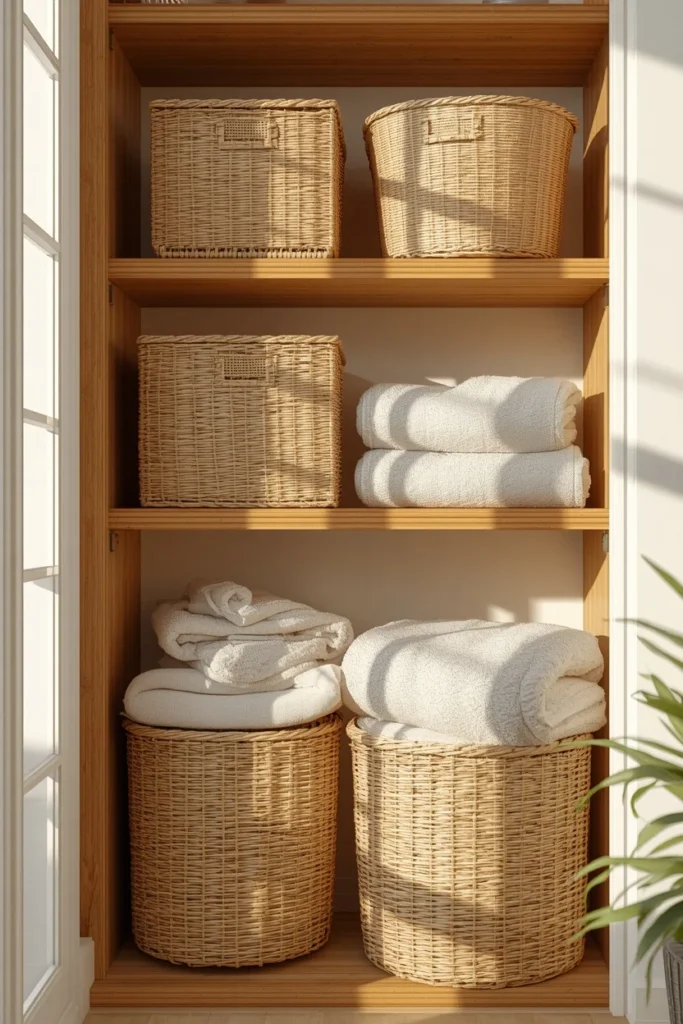
Swapping closed cabinets or plastic bins for woven seagrass and rattan baskets turns everyday storage into a decorative element rather than something to hide. These baskets work well for towels near a pool or beach entry, throw blankets in the living room, or toys and games in a family gathering space. Grouping a few different basket sizes together on an open shelf creates visual texture while keeping the room’s contents accessible and organized. Because natural fiber baskets are lightweight and relatively inexpensive, they’re an easy way to add texture to a room without a significant investment. This storage approach reinforces the same woven, natural material palette found in rattan lighting and jute rugs, tying the whole home together with a consistent textural thread.
18. Stained and Colored Glass Accents
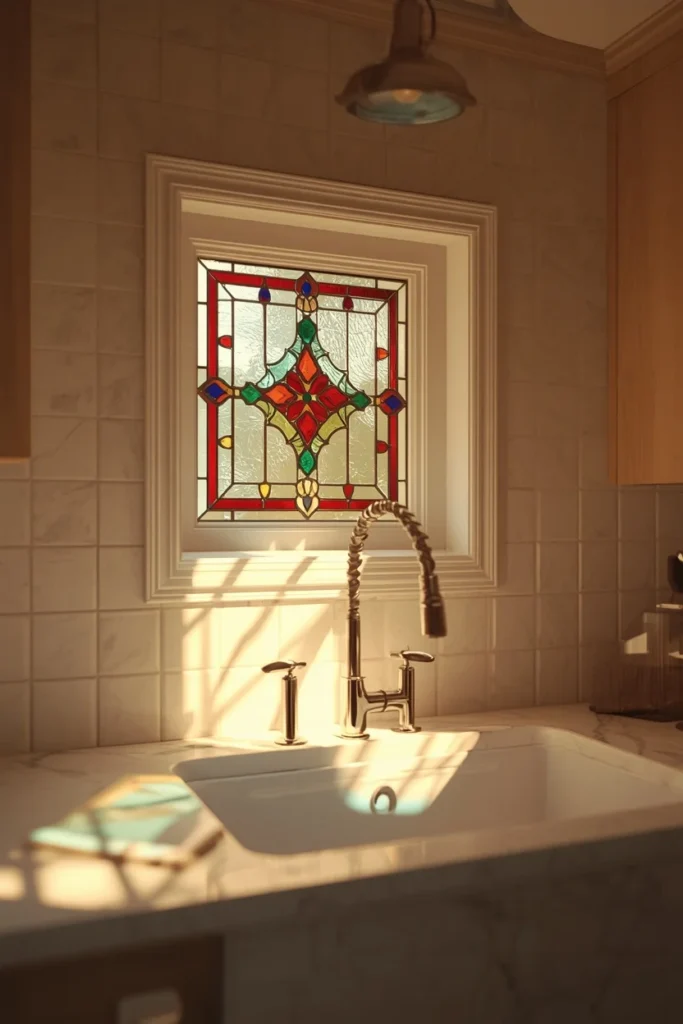
Stained or colored glass, used in a small window insert, a pantry door, or a room divider, brings a fresh, artistic pop of color into a summer house without committing to painted walls or patterned wallpaper. This detail works especially well in a kitchen or entry, where light passing through the colored glass casts a soft, shifting glow throughout the day. Modern applications lean toward abstract geometric patterns rather than traditional religious or ornate motifs, keeping the look feeling current rather than dated. Pairing a small stained glass accent with an otherwise simple, neutral room lets the glass act as a genuine focal point rather than competing with other bold choices. It’s a distinctive detail that photographs beautifully in strong summer daylight, when the colors project furthest into the room.
19. Lake House Warmth with Craftsman Wood Tones
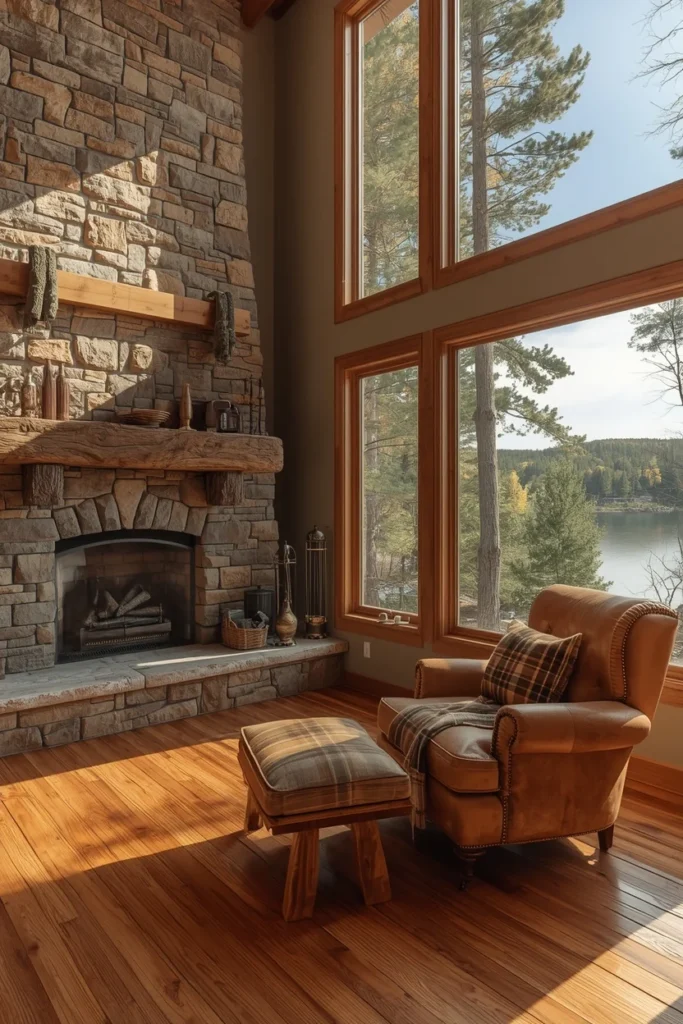
For a summer house on a lake rather than the coast, leaning into warmer wood tones like hickory or cherry, paired with an earth-toned Craftsman-style palette, creates a cozier, more grounded feel than the typical cool coastal look. A stone fireplace mantel, built-in shelving, and custom cabinetry in a rich wood finish suit the wooded, natural surroundings that usually come with a lake property. This palette pairs well with a plaid or check textile pattern instead of a coastal stripe, reinforcing the slightly more rustic, cabin-adjacent mood. Large windows overlooking the water remain the star of the room regardless of palette, so keeping window treatments minimal or entirely absent lets the view take priority. This approach suits anyone whose summer home leans more toward woods and water than sand and surf.
20. Alfresco Dining with a Market Umbrella
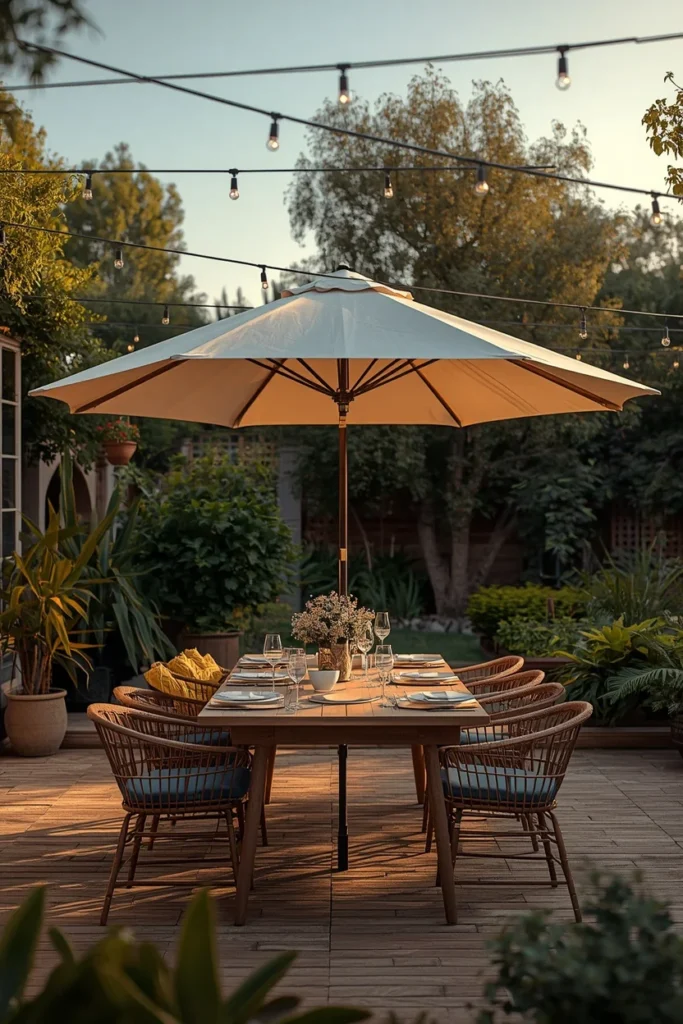
Setting up a dedicated outdoor dining area with a substantial table, comfortable chairs, and a market umbrella for shade extends a summer house’s entertaining capacity well beyond the interior square footage. Choosing a table material like teak or weather-resistant metal means the setup can stay outside for the full season without needing to be covered after every use. A market umbrella in a canvas or acrylic fabric that resists fading holds up better under consistent sun exposure than a cheaper vinyl option. Layering in string lights or lanterns around the dining area stretches its use into the evening, when outdoor meals often become the highlight of a summer visit. This setup works as either a primary dining spot on nice days or an overflow area for larger gatherings that the indoor table can’t accommodate alone.
Styling Tips
- Choose one dominant texture story (woven, whitewashed wood, linen) and let it repeat across rooms rather than introducing a new material in every space.
- Keep window treatments minimal or sheer wherever there’s a good view, since blocking a water or garden view undercuts the whole point of a summer house.
- Add one or two warm accent tones to a cool coastal palette, or vice versa, so the room doesn’t read as flat or one-note.
- Rotate a few decorative textiles seasonally rather than replacing furniture, since a slipcover or pillow swap is a much lower-cost way to refresh a room’s mood.
- Bring in real, full-sun houseplants rather than silk versions wherever the light allows, since they reinforce the airy, alive feeling the style depends on.
Practical Implementation Ideas
- Prioritize performance and washable fabrics on any upholstery that will see regular contact with wet swimsuits, sunscreen, or sandy feet.
- Plan window and door placement, where possible, to maximize the connection between indoor living space and any porch, deck, or patio.
- Choose flooring that can handle moisture and grit, such as sealed wood, tile, or engineered options, rather than delicate finishes that show every scuff.
- Layer lighting in outdoor-adjacent rooms, combining ceiling fixtures, floor lamps, and string lights, so the space works well from morning through evening.
- Build in real storage for beach and pool gear near the entry, since a mudroom-style landing zone protects the rest of the home’s finishes over a full season.
Common Mistakes to Avoid
- Leaning so heavily into literal nautical decor — ropes, anchors, shell motifs everywhere — that the space feels like a themed rental rather than a real home.
- Choosing delicate, dry-clean-only fabrics for furniture that will see heavy summer traffic from kids, pets, and guests.
- Blocking a good window or water view with heavy drapery when a sheer or minimal treatment would serve the room better.
- Skipping ventilation or fan installation in a sunroom or porch, leaving the space too hot to actually use during peak summer months.
- Over-committing to one narrow color story so thoroughly that the home feels like it can only exist during summer rather than year-round.
Small-Space Alternatives
For a smaller summer cottage or a single sunroom addition rather than a full home, focus the budget on one or two high-impact choices: a slipcovered sofa and a natural fiber rug, or whitewashed floors paired with sheer curtains. A single woven pendant light and a driftwood mirror can carry much of the material story in a compact space without needing every idea on this list applied at once.
Budget-Friendly Alternatives
A slipcover for an existing sofa costs a fraction of a full furniture replacement and delivers much of the same relaxed, easy-care look. Secondhand wicker or rattan furniture, refreshed with new cushions, offers the same texture as new pieces at a lower price point. Whitewashing floors or beadboard paneling are both moderate DIY projects that bring real character into a room without a full renovation budget.
Pro Styling Recommendations
Start with the view and let it guide the palette, since a room facing water usually wants a cooler, quieter color story while a garden-facing room can support warmer, more saturated tones. Keep upholstery practical first and beautiful second, since a summer house earns its relaxed reputation through how well it survives daily use, not just how it photographs on day one. When choosing between more furniture or more texture, choose texture — a few well-chosen woven, wood, and linen pieces do more for the mood than a room full of matching furniture ever will.
FAQs
Conclusion
A summer house feels relaxed because every material and color choice supports that feeling, not because the space tries to announce “vacation” at every turn. Whitewashed floors, washable slipcovers, natural fiber textures, and a palette borrowed from the actual landscape outside all work together quietly, rather than any single loud design statement doing the job alone. Whether the goal is a full coastal cottage or just a lighter, breezier refresh for the warmer months, start with the materials that need to survive daily life, then build the color and texture story around them.