17 Guest Bedroom Ideas That Will Make Every Visitor Never Want to Leave
A guest room usually gets whatever furniture didn’t fit anywhere else in the house. It’s an easy room to overlook, since the person sleeping there isn’t around to complain if the mattress is old or the lamp doesn’t work.
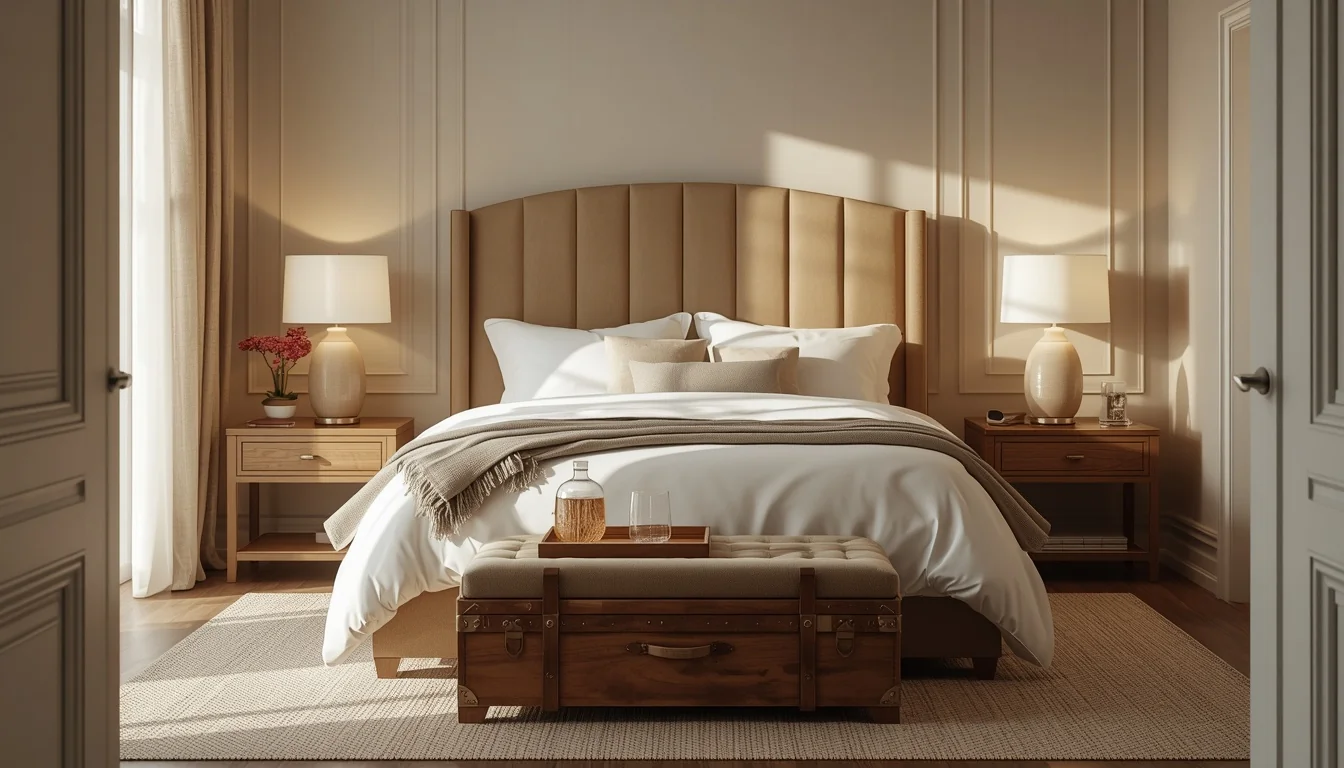
But a guest bedroom done well is one of the most memorable rooms you can design, because it’s the one space in your home built entirely around someone else’s comfort. The best guest rooms right now borrow directly from boutique hotel design: layered, hotel-quality bedding, warm lighting instead of a single harsh overhead bulb, and a few small details, like a place to set a suitcase or a glass of water within reach, that guests notice immediately even if they can’t quite say why the room feels so good.
This list covers 17 ideas for a guest bedroom guests genuinely don’t want to leave, organized by what actually shapes the stay: the bed and bedding, lighting and layout, storage and comfort details, and the small hospitality touches that turn a spare room into a real welcome.
Table of Contents
1. Hotel-Quality Bedding and Extra Pillow Choices
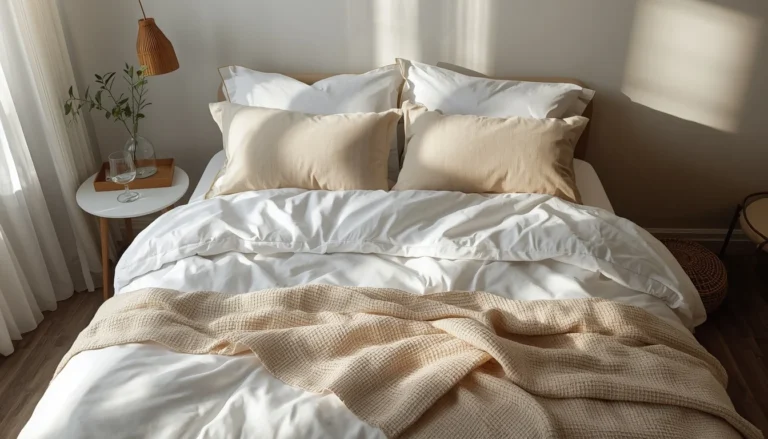
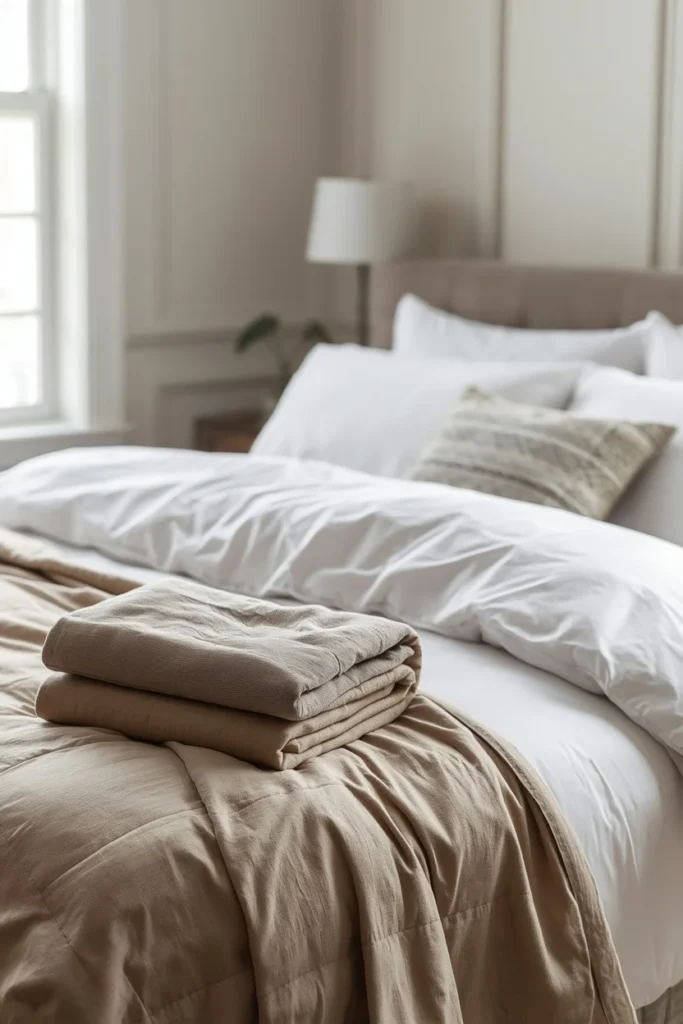
The single biggest factor in how a guest remembers their stay is almost always how the bed felt, which is why crisp cotton percale sheets and a plush duvet matter more than any decor choice on this list. Offering a couple of extra pillows in different firmness levels lets guests adjust the bed to their own preference instead of making do with whatever’s already there. A duvet layered with a lightweight quilt or throw gives guests the option to add or remove warmth depending on the season, rather than being stuck with one fixed level of coziness. White or soft neutral bedding also photographs and launders more easily than patterned sheets, which matters if the room gets regular use. This one investment does more for guest comfort than almost anything else you could add to the room.
2. Calm Neutral or Soft Pastel Color Palette
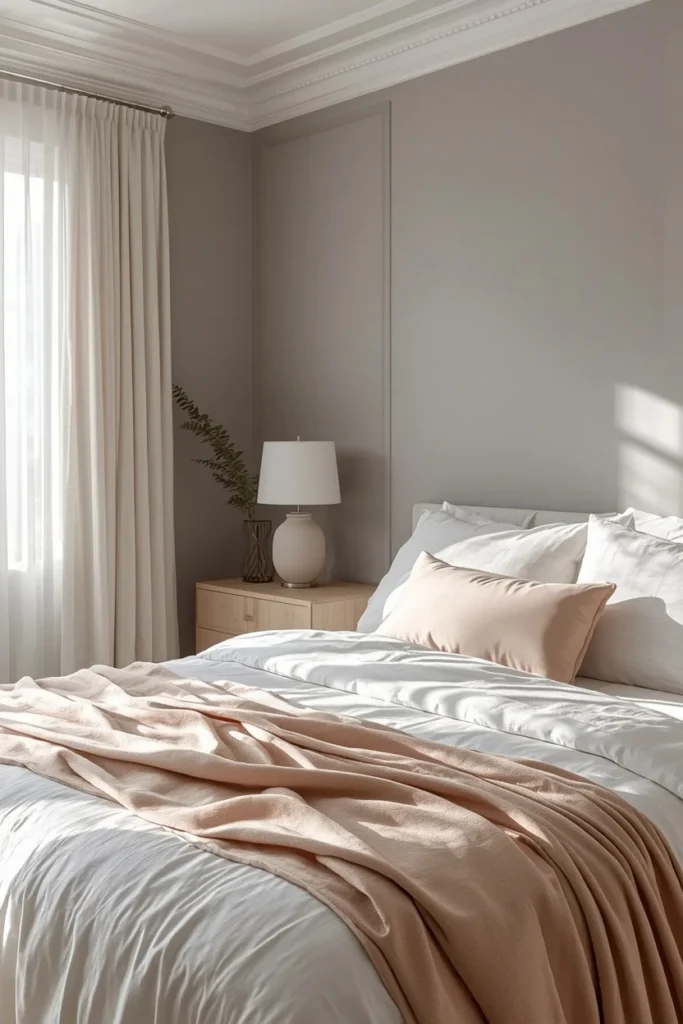
A soft, neutral palette in warm white, dove gray, or pale beige creates an instantly calm backdrop that suits almost any guest’s taste, since it avoids strong personal preferences that a bold color might clash with. This kind of palette is especially welcoming for guests arriving tired after travel, since a quiet room helps them settle in faster than a visually busy one. Soft pastels like blush pink, sage, or pale lavender work as a gentler alternative for anyone who wants a bit more warmth without moving into bold territory. Keeping the walls, bedding, and larger furniture pieces within this same soft range lets smaller accents, like a piece of art or a patterned pillow, stand out without competing. This palette is also one of the most forgiving for a room that needs to suit a wide range of guests over time.
3. Tailored Upholstered Headboard
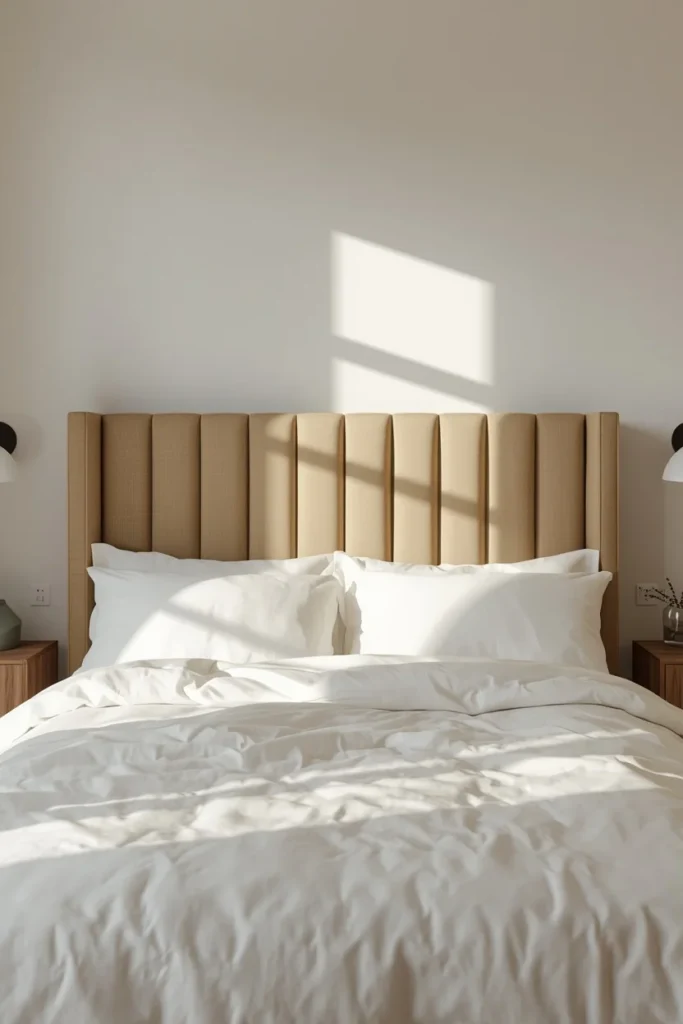
An upholstered headboard in a simple, tailored fabric gives the bed a hotel-suite quality that a plain frame or a headboard-free bed can’t quite match. Choosing a neutral linen or performance fabric keeps the headboard easy to maintain, which matters in a room that sees different guests throughout the year. A slightly channel-tufted or simple panel design adds a bit of texture and detail without needing any bold pattern or color. Positioning the headboard against the room’s most solid wall, away from a window if possible, also gives guests a slightly more private, grounded feeling while they sleep. This single furniture choice tends to set the tone for how polished the rest of the room feels.
4. Symmetrical Twin Bed Layout
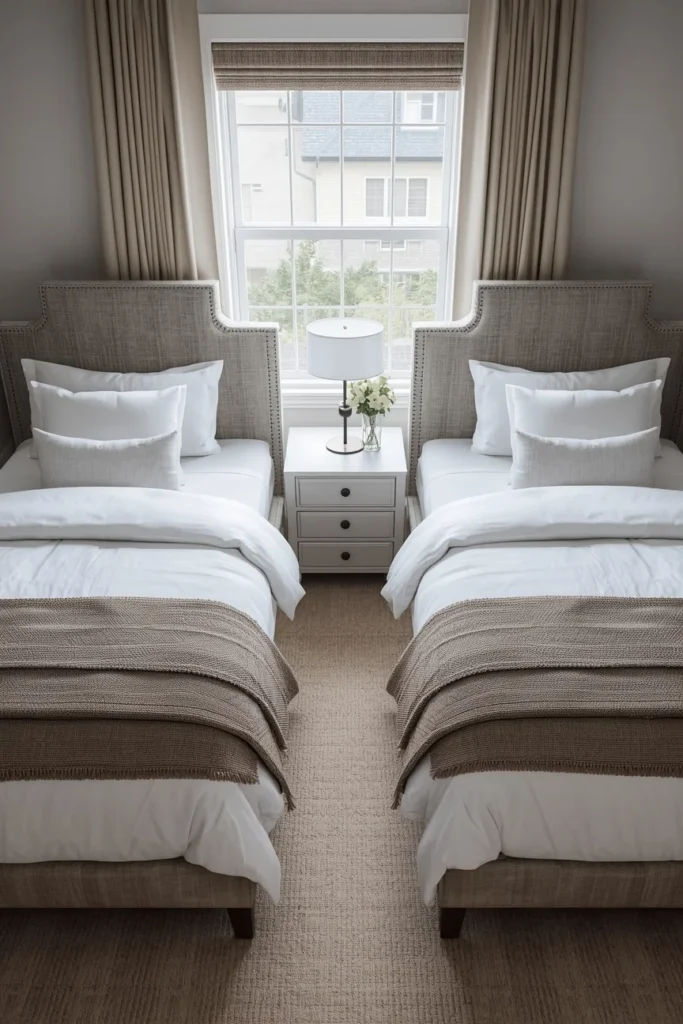
For guest rooms hosting siblings, friends, or a family with kids, two matching twin beds with identical bedding and nightstands create a polished, hotel-like symmetry instead of a mismatched hand-me-down feel. Upholstered headboards on both beds, paired with a shared rug and a single light fixture centered between them, ties the layout together as one cohesive room rather than two separate setups. This approach also solves the common awkwardness of one guest feeling like they got the better bed, since both are styled identically. A small shared nightstand or a narrow table between the two beds gives each guest a spot for a phone or a glass of water without needing much extra floor space. This layout works especially well in a room that regularly hosts more than one guest at a time.
5. Layered Lighting Instead of a Single Overhead Bulb
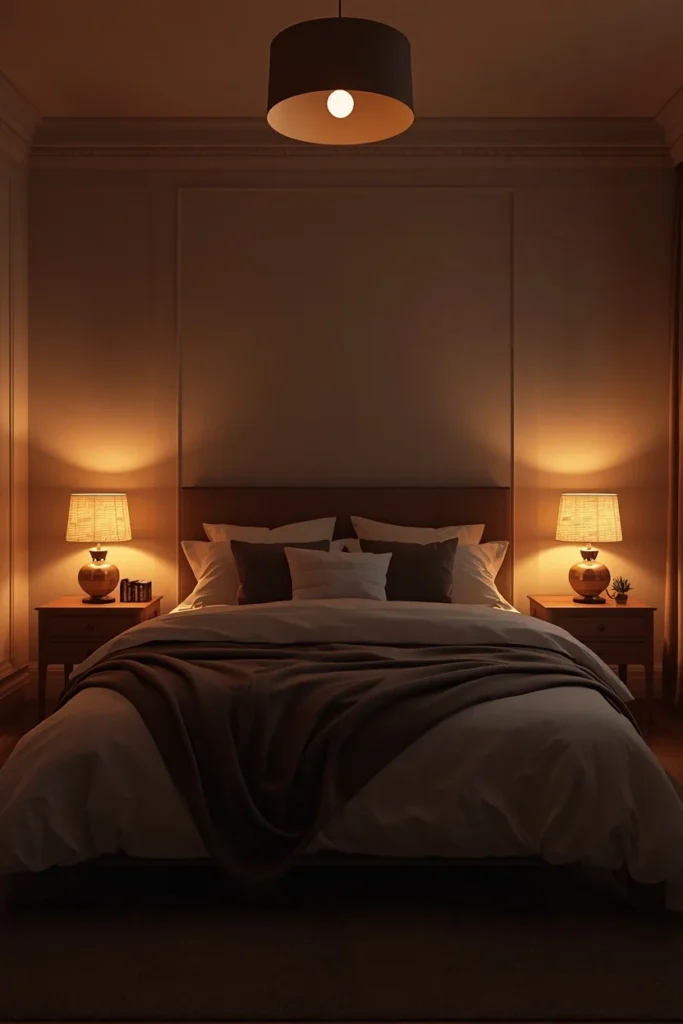
A single overhead light tends to make a guest room feel more like a storage space than a place someone actually wants to relax, which is why layering in a bedside lamp, and a floor lamp near a chair if there’s room, matters so much. Warm white bulbs, somewhere around 2700 to 3000 Kelvin, create a noticeably cozier atmosphere than a cool white overhead bulb ever can. Giving each side of the bed its own lamp means two guests, or a couple, can each control their own reading light without disturbing the other. This layered approach also means the room can shift from a bright, functional space during the day to a soft, calm one in the evening. It’s one of the most overlooked upgrades in a guest room, and one of the most noticeable to the person actually staying there.
6. Blackout Curtains Layered With Sheers
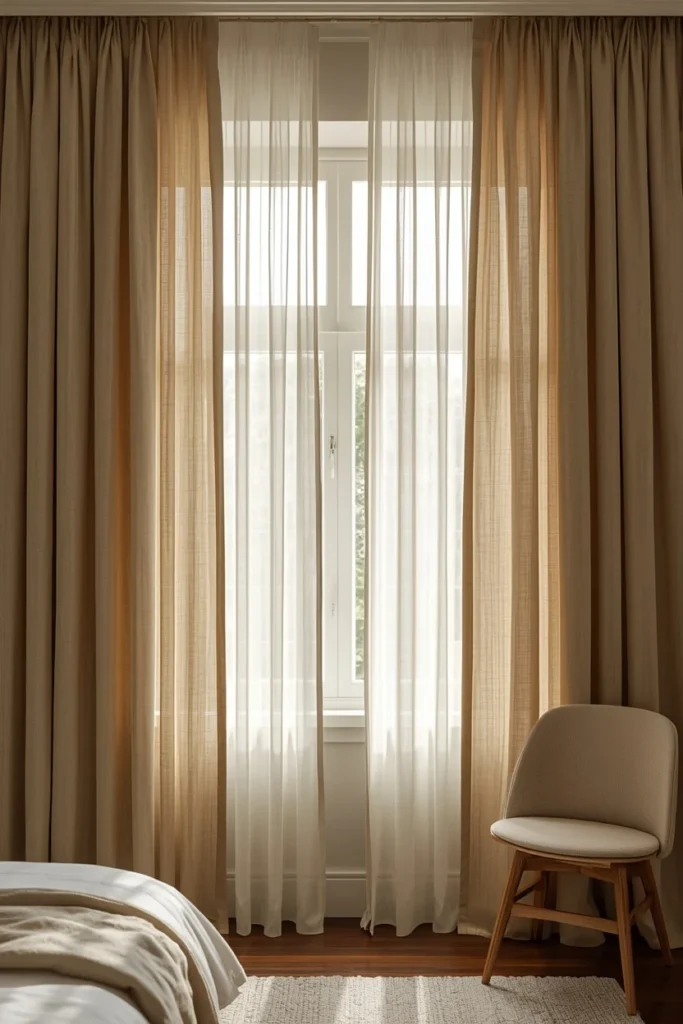
Guests often sleep in an unfamiliar room without the blackout curtains or shades they’re used to at home, which makes this one of the most practical upgrades on the entire list. A sheer linen curtain layered in front of a blackout panel lets soft, filtered light in during the day and full darkness at night, giving guests control over both. This matters even more for anyone staying up late or trying to sleep in, since an unfamiliar bright room in the early morning is one of the fastest ways to cut a guest’s rest short. Choosing curtains in a color close to the wall keeps the layered look from becoming a visual distraction. This is a genuinely functional upgrade that also happens to make the window treatment look more finished.
7. Circadian-Style Warm-to-Cool Lighting
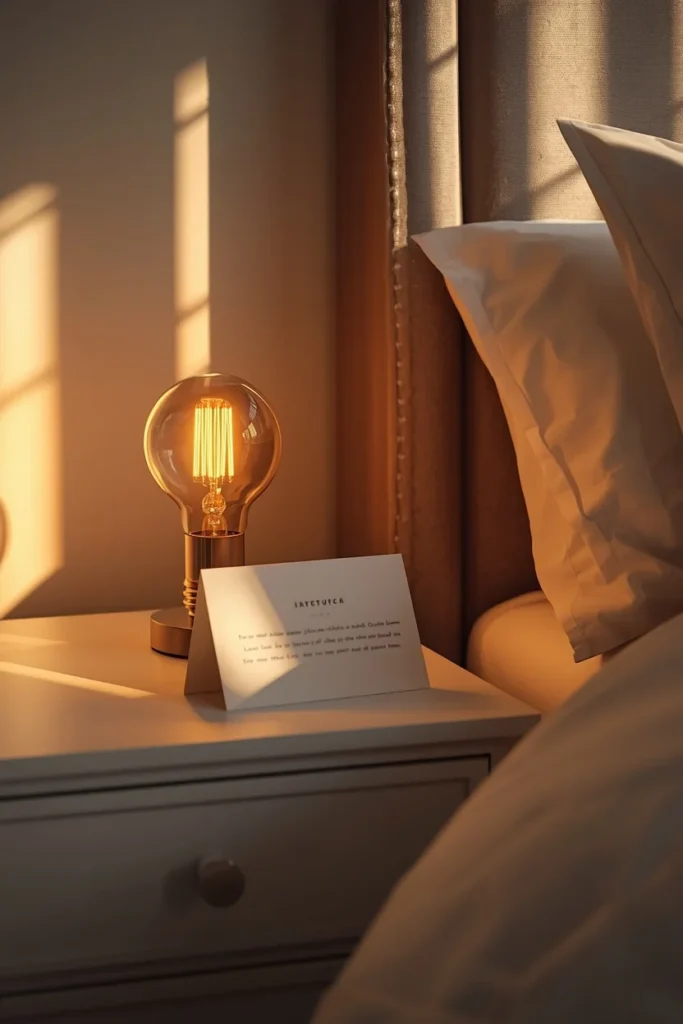
Choosing a bedside lamp or a smart bulb that shifts from a cooler, brighter tone in the morning to a warm, amber glow in the evening mimics the way hotels are increasingly designing their guest room lighting to support better sleep. This kind of lighting helps guests, especially ones adjusting to a new time zone or an unfamiliar bed, settle into a more natural rhythm during their stay. A simple warm-dim smart bulb accomplishes most of this without needing a full smart home system installed in a room used only occasionally. Pairing this lighting with a small note or instructions for guests unfamiliar with smart bulbs keeps the feature from becoming confusing rather than helpful. It’s a small technology touch that fits the broader hospitality-inspired direction guest rooms are moving toward.
8. Luggage Bench or Rack at the Foot of the Bed
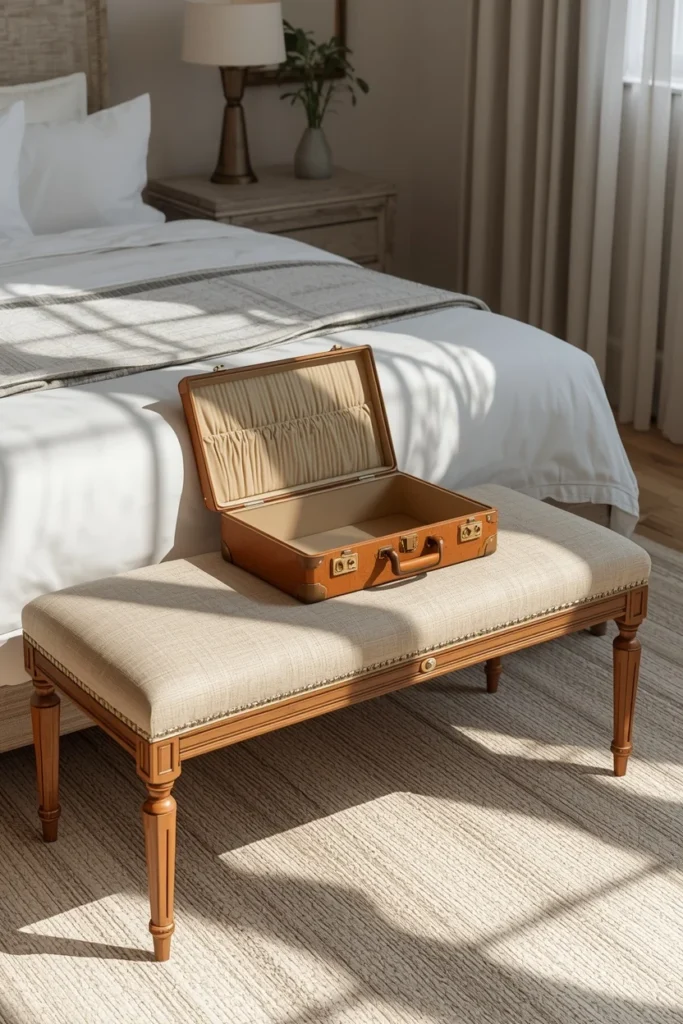
A small bench or a folding luggage rack at the foot of the bed gives guests an obvious, dedicated spot to set their suitcase instead of piling it on the floor or the bed itself. This detail alone signals a level of thoughtfulness that guests notice immediately, since it solves a small but real problem every overnight guest faces. A bench also doubles as a spot to sit while putting on shoes, which adds function beyond just luggage storage. Choosing an upholstered bench in a durable fabric keeps it practical for repeated use over time. This is one of the most requested hotel-inspired details in guest room design because it’s genuinely useful in a way that decor alone rarely is.
9. Dedicated Dresser and Empty Hangers
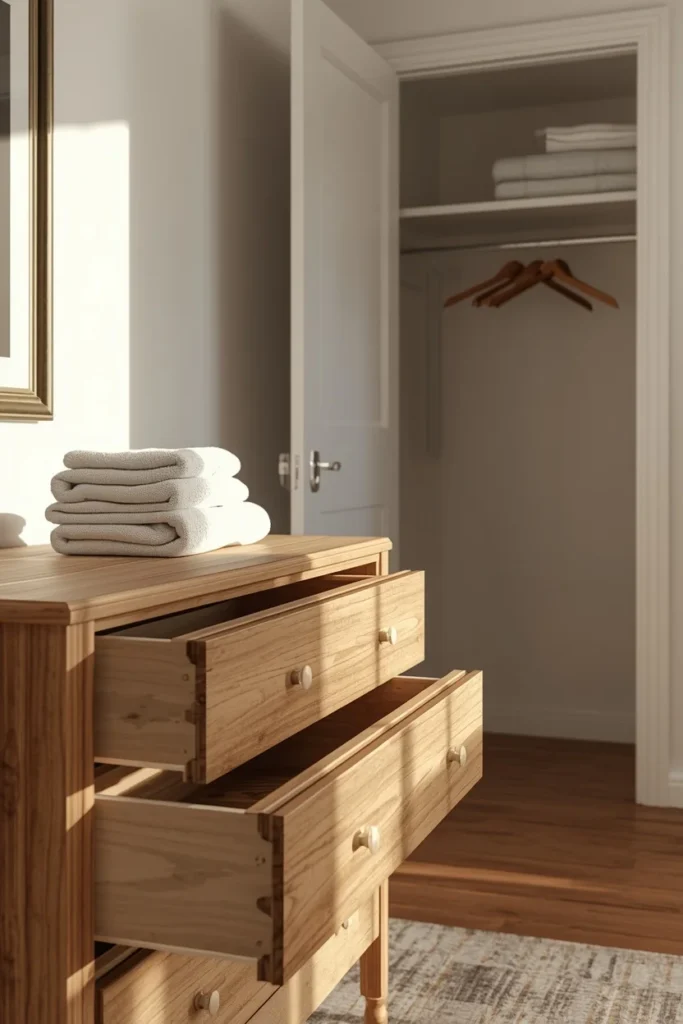
Even a small dresser with a couple of empty drawers gives guests somewhere to unpack rather than living out of a suitcase for their entire stay, which makes a longer visit feel considerably more comfortable. Clearing space in the closet and leaving a handful of empty hangers sends the same message without requiring a full piece of furniture if space is tight. This detail matters most for guests staying more than a night or two, since unpacking even a little tends to make an unfamiliar room feel more like a temporary home. A small note letting guests know which drawers or hooks are available removes any guesswork about what’s actually free to use. It’s a simple courtesy that takes almost no effort to set up in advance.
10. Bedside Charging Station and Water Carafe
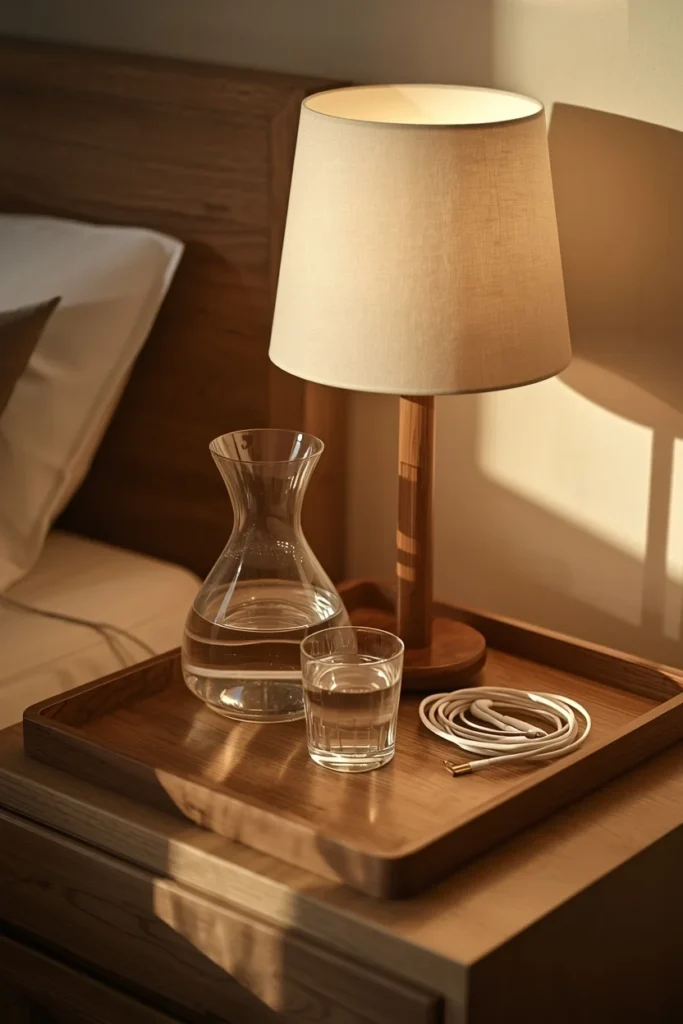
Leaving a small carafe of water and a glass on the nightstand solves a problem almost every guest has at some point during the night without having to ask where the kitchen is. Placing a small charging station or a couple of spare cables nearby saves guests from digging through their bag for a charger or asking to borrow one. Together, these two details are inexpensive but consistently mentioned by guests as the kind of thoughtful touch that makes a stay feel considered. A small tray keeps both items tidy and prevents the nightstand from looking cluttered. This is one of the lowest-cost, highest-impact ideas on the entire list.
11. Multi-Functional Layout for a Spare Room
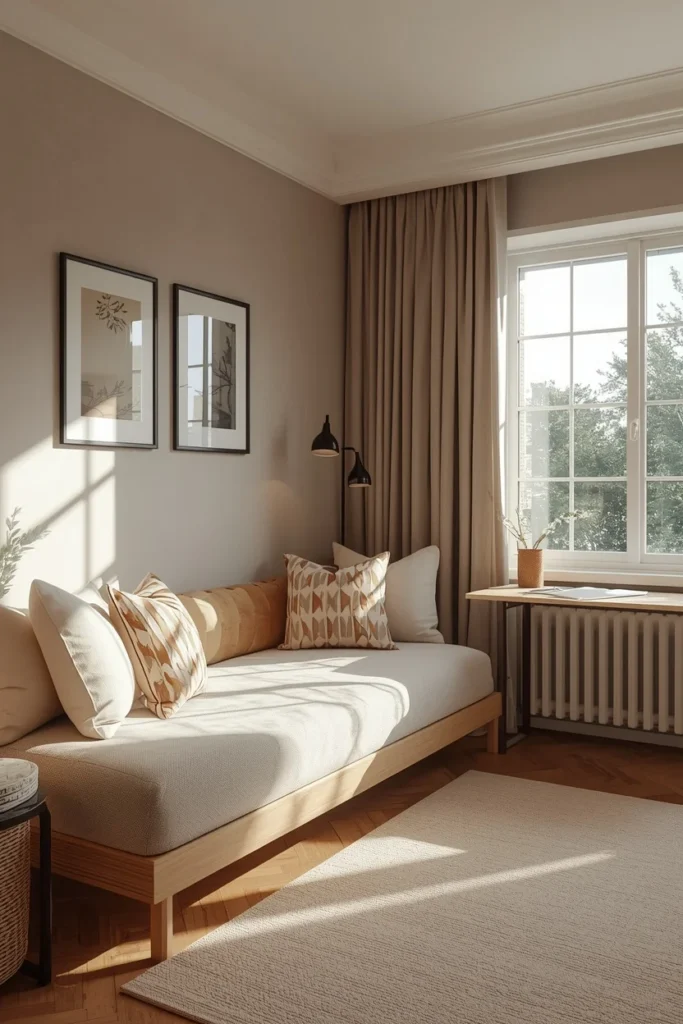
In smaller homes, a guest room often has to double as a home office or a reading nook the rest of the year, which means the layout needs to work in both modes without feeling like a compromise in either one. A daybed or a sofa bed instead of a full permanent bed frame lets the room function as a lounge or office during the day and convert easily when guests arrive. Choosing a fold-away or extendable desk keeps the workspace from taking over the room when it’s not needed. A slim room divider or a well-placed bookshelf can visually separate the two functions even in a single open room. This approach makes a guest room a genuinely useful part of the home rather than a rarely used spare space.
12. Welcome Basket With Snacks and Toiletries
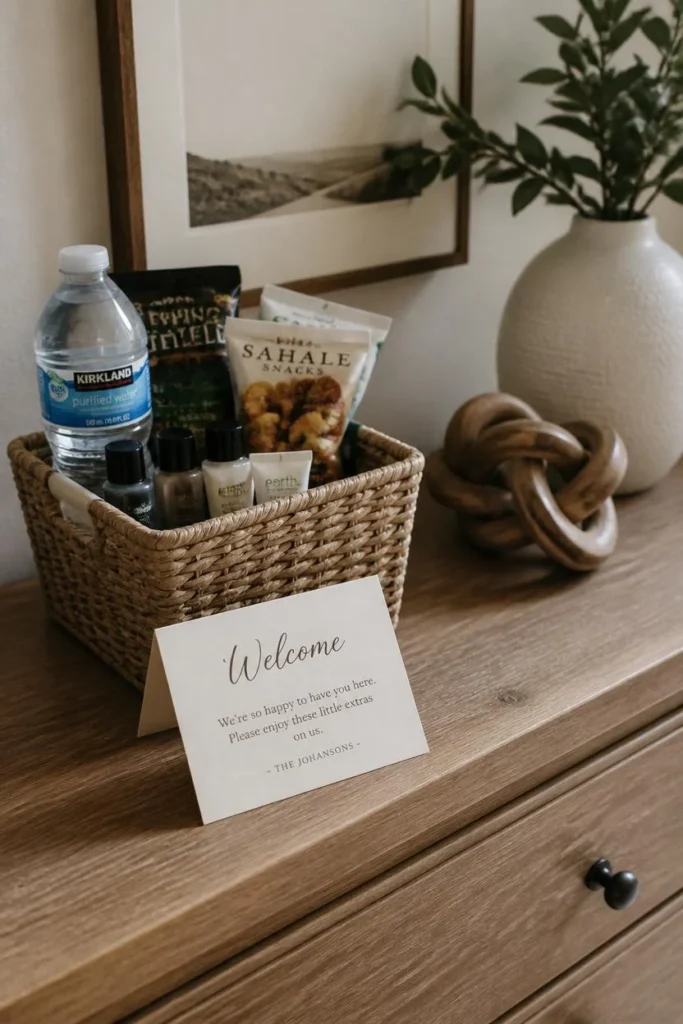
A small basket with a few snacks, a bottle of water, and travel-size toiletries waiting on the dresser tells guests they were expected and thought about before they even unpack. This doesn’t need to be elaborate: a couple of granola bars, a small chocolate, and a spare toothbrush or two cover most of what a guest might have forgotten to pack. Including a few basics like sunscreen or pain relievers shows a level of care that guests remember well after their stay ends. Rotating the contents seasonally, like adding a warm tea in winter or cooling face mist in summer, keeps the gesture feeling fresh rather than routine. This is one of the most talked-about guest room details precisely because it’s a personal touch rather than a design choice.
13. Handwritten Welcome Note With House Details
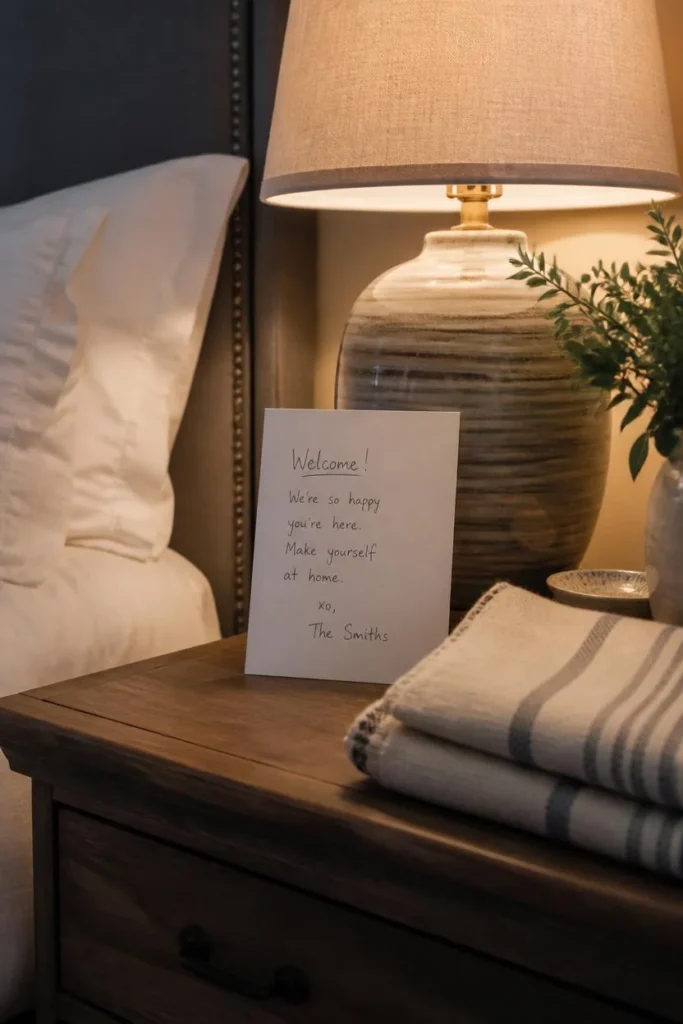
A short handwritten note left on the pillow or nightstand, covering the Wi-Fi password, breakfast timing, and where to find extra towels, saves guests from having to ask basic questions the moment they arrive. This small gesture also carries a warmth that a printed sign simply doesn’t, since it signals someone took a few minutes specifically for them. Including a line about what time the household typically wakes up, or any quirks of the house like a squeaky door, helps guests feel more oriented rather than guessing. This detail costs nothing beyond a few minutes of time, yet it’s consistently one of the touches guests mention when describing a stay that felt genuinely welcoming. Pairing the note with the welcome basket makes both feel like part of the same thoughtful gesture rather than two separate additions.
14. Spa-Like Bath Amenities and Fresh Towels
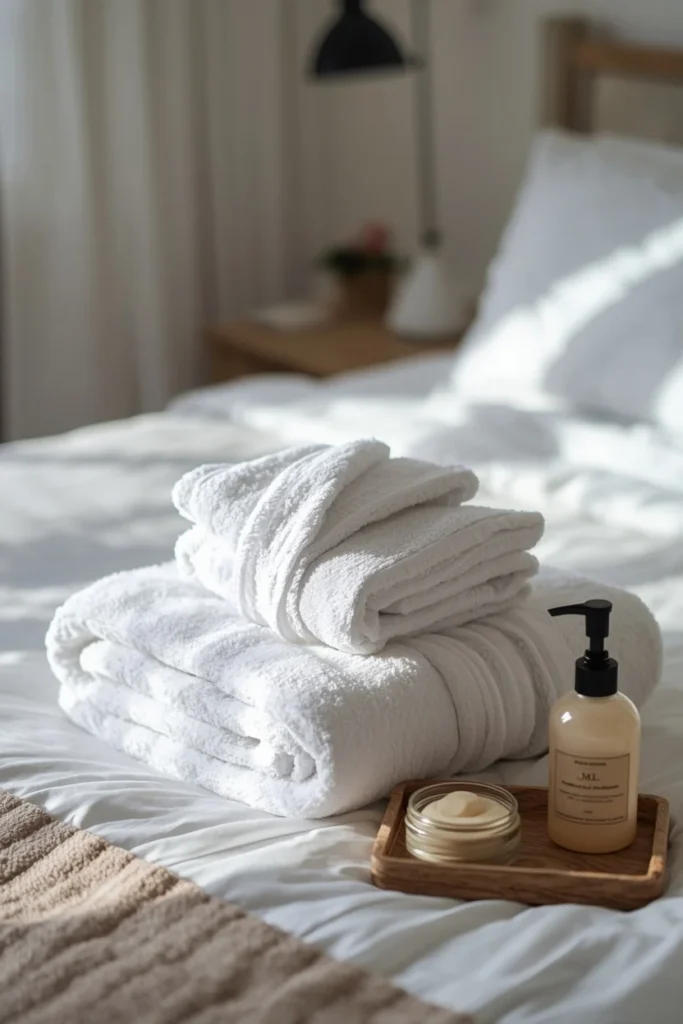
Setting out fresh, fluffy towels along with a robe or a couple of spa-quality bath products instantly elevates a guest’s stay in a way that costs relatively little compared to the impression it leaves. Folding the towels neatly on the bed or a nearby shelf, rather than just placing them in the bathroom, signals the same hospitality-level thoughtfulness a hotel stay offers. A simple bar of nice soap or a small bottle of lotion left beside the towels rounds out the gesture without requiring a full amenity kit. This detail matters even more if the guest bathroom is shared with the rest of the household, since dedicated fresh towels make guests feel like the space was set aside specifically for them. It’s a detail that costs little but reads as genuinely luxurious.
15. Layered Rug for Warmth and Definition
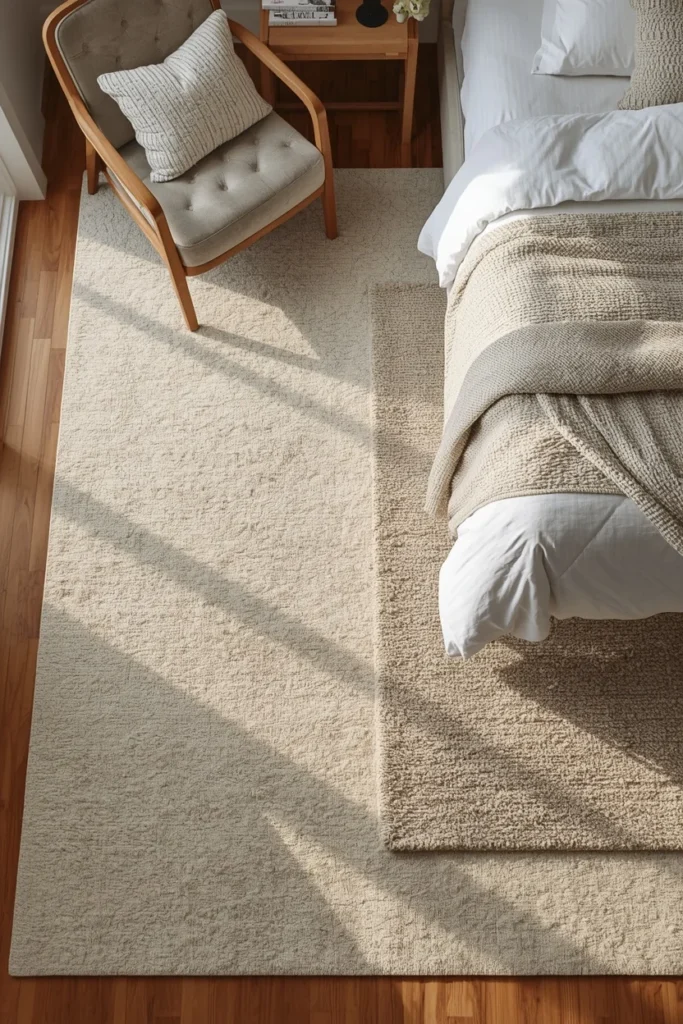
A rug that extends well beyond the sides and foot of the bed gives guests something soft to step onto first thing in the morning, rather than cold hardwood or tile. Choosing a natural fiber like wool or jute adds texture underfoot while staying durable enough for the wear a guest room sees over time. Layering a smaller patterned or textured rug over a larger neutral one, particularly near a seating area if there’s room, adds depth without needing a bold color change anywhere else in the room. This detail also visually defines the sleeping area, which matters in a smaller or multi-functional guest room where the layout might otherwise feel undefined. It’s a comfort-focused addition that also happens to finish the room visually.
16. Biophilic Touches With Natural Materials
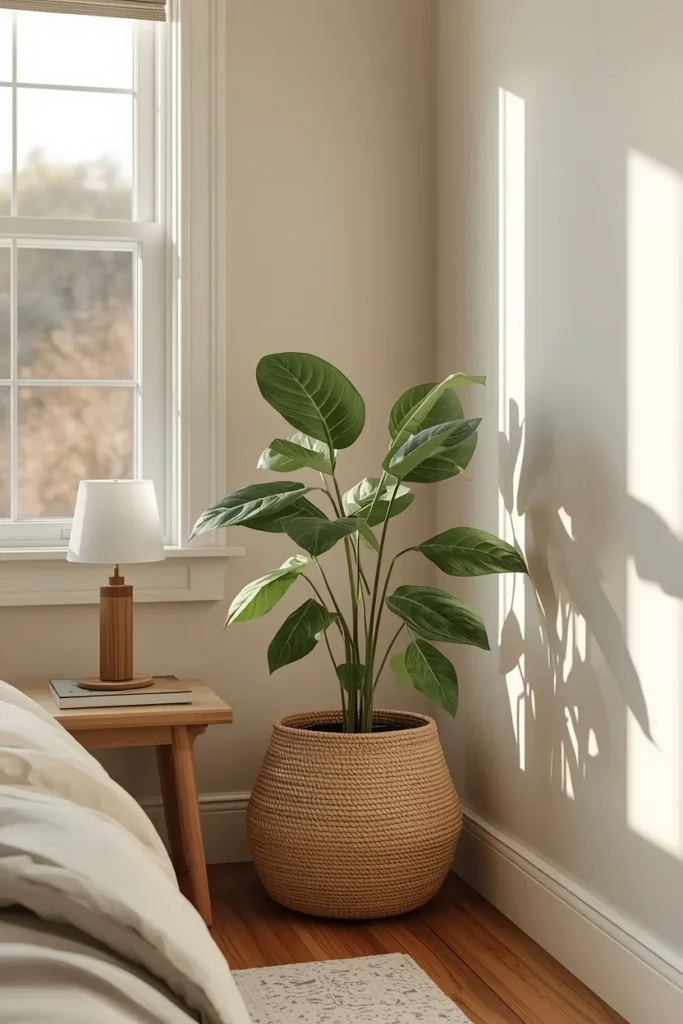
Bringing in a plant, natural wood furniture, and a woven or rattan accent piece gives a guest room the same calming, grounded quality that hospitality designers increasingly build into hotel rooms for exactly this reason. A single low-maintenance plant, like a pothos or snake plant, adds life to the room without requiring the kind of care a guest room rarely gets between stays. Natural materials like a wood bench, a woven lamp shade, or a jute rug all reinforce the same organic, calming feeling without needing to match a specific decor theme. This approach also tends to make artificial light feel warmer and more natural throughout the room. It’s a detail that supports genuine rest, not just visual styling.
17. Local or Personal Art Instead of Generic Prints
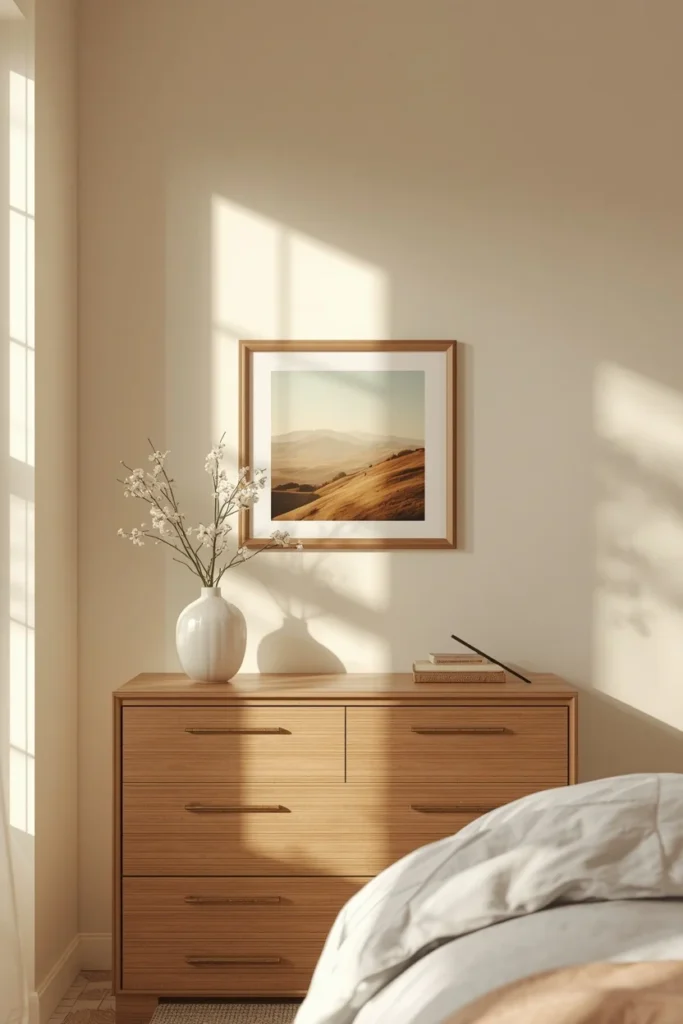
A piece of art with an actual story, whether it’s a local landscape print, a piece from a nearby artist, or a personal photograph, gives a guest room a sense of place that a generic framed print never quite achieves. This detail matters more than people expect, since it gives guests something to genuinely look at and ask about rather than blending into forgettable decor. Choosing one or two meaningful pieces, rather than filling every wall, keeps the room from feeling overly curated or impersonal. Pairing the art with a simple, consistent frame style ties it back into the rest of the room’s calm palette. This is the one idea on this list that has nothing to do with comfort and everything to do with making the room feel specific to your home rather than interchangeable with any other guest room.
Styling Tips
- Keep the palette within two or three neutral or soft pastel tones so the room feels calm to a wide range of guests, not just your own taste.
- Fold towels and style the welcome basket the same day guests arrive, so everything looks fresh rather than sitting out for days beforehand.
- Choose one dominant texture, like linen bedding paired with a wool rug, rather than mixing several unrelated fabrics.
- Treat the nightstand as a small, curated scene: a lamp, a carafe, and a charging cable is enough, not everything you own.
- Let one piece of local or personal art carry the room’s personality so the rest of the space can stay simple and restful.
Practical Implementation Ideas
- Start with the mattress and bedding before anything decorative, since comfort is what guests remember most about a stay.
- Test the room’s lighting and blackout curtains at night before your first guest arrives, since daytime testing won’t reveal how dark or bright the room actually gets.
- Set up the welcome basket and note as a repeatable routine, so it’s ready every time rather than a one-off effort.
- If the room doubles as an office, plan the desk and storage layout first, then add the guest-specific bedding and touches around it.
- Walk through the room as if you were the guest: check for a lamp within reach, a clear surface for a suitcase, and an obvious spot to hang a jacket.
Common Mistakes to Avoid
- Using the guest room as a storage catch-all for boxes and off-season items, which makes the space feel neglected even with nice bedding.
- Relying on a single overhead light, which makes the room feel more functional than restful no matter how it’s decorated.
- Skipping blackout curtains, which can cut a guest’s sleep short if the room faces early morning sun or a streetlight.
- Forgetting to clear closet or drawer space, which forces guests to live entirely out of a suitcase for their whole stay.
- Overdecorating with too many decorative pillows or objects, which can make the room feel styled for photos rather than genuinely comfortable to use.
Small-Space Alternatives
- If there’s no room for a luggage bench, a slim folding luggage rack takes up a fraction of the space and serves the same purpose.
- If a full dresser won’t fit, even two cleared drawers in an existing piece of furniture gives guests somewhere to unpack.
- If a reading chair isn’t realistic, a small floor lamp beside the bed with a stack of books on the nightstand covers the same need.
- If a daybed won’t fit a multi-functional room, a quality sofa bed or a fold-out chair bed can serve the same dual purpose.
- If a large rug is out of budget, a smaller runner on each side of the bed still adds warmth underfoot without the cost of a full room-sized piece.
Budget-Friendly Alternatives
- New white or neutral bedding is one of the most affordable ways to elevate the whole room’s feel without replacing any furniture.
- A secondhand bench or luggage rack, refinished or reupholstered, costs a fraction of a new one and adds the same function.
- Battery-operated puck lights or a simple lamp swap can add warm layered lighting without any electrical work.
- A welcome basket assembled from travel-size items already on hand costs very little but reads as a thoughtful, considered touch.
- A single framed print from a local shop or print-on-demand site gives the room personality for less than a large piece of commissioned art.
Pro Styling Recommendations
- Treat the guest room the way a boutique hotel treats a room: comfort first, decor second, hospitality touches last but never skipped.
- If you can only upgrade one thing, prioritize the bedding and mattress, since that’s what every guest interacts with the longest.
- Keep a small stock of guest room basics, extra chargers, a spare toothbrush, and travel toiletries, so the welcome basket takes minutes to assemble each time.
- Choose furniture and finishes durable enough for repeated use over time, since a guest room sees different people and different habits.
- Walk the room once a season to check that lighting, bedding, and small details still feel fresh rather than assuming the setup from last year still holds up.
FAQs
Conclusion
A guest room this thoughtful doesn’t require a full renovation or a big budget. Usually it’s the bed, the lighting, and one or two small hospitality touches, done well, that guests remember long after they’ve left. Start with comfort, add the small welcoming details that cost little but say a lot, and let the rest of the room stay simple around them.