24 Family Room Ideas That Are Stylish Enough for Adults, Fun for Kids
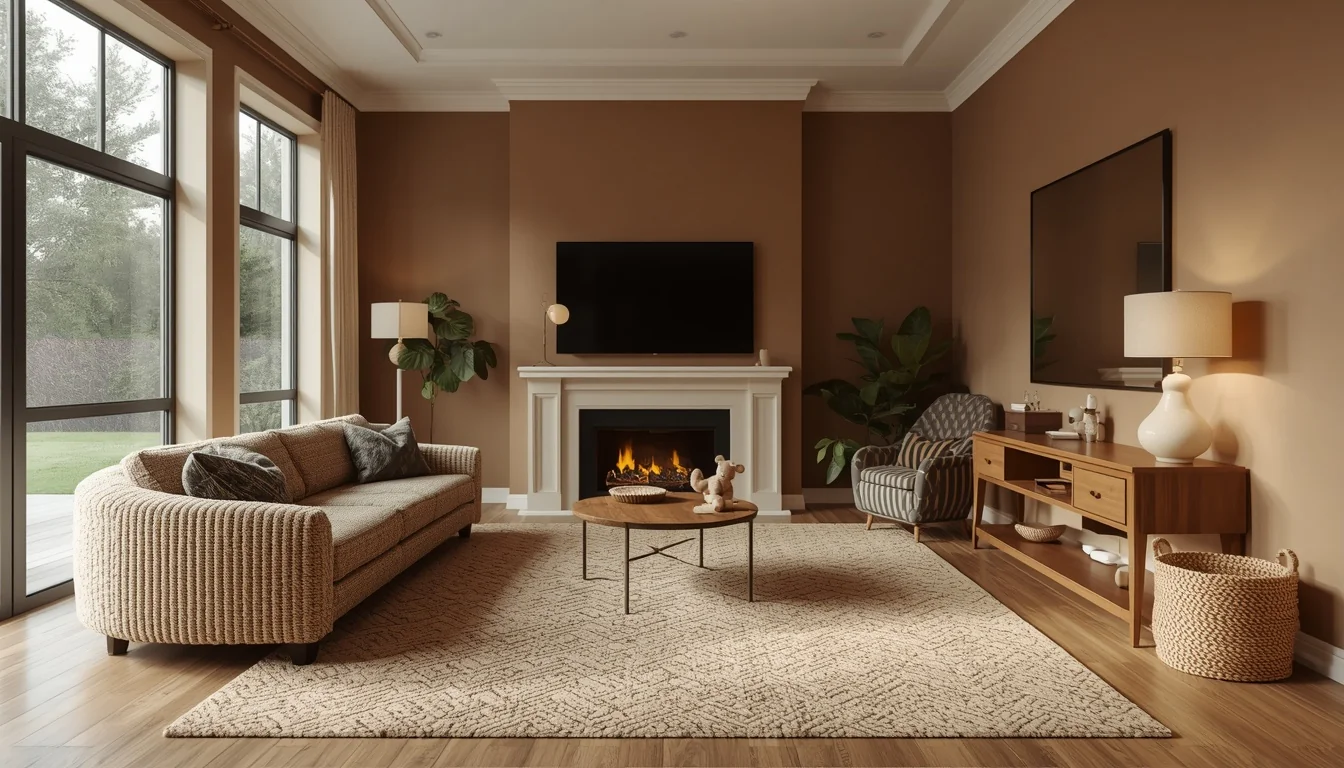
Every family room eventually hits the same tension. One person wants it to look like it belongs in a magazine. Everyone else just wants somewhere to sprawl out, build a blanket fort, or leave a controller on the coffee table without getting a look.
The good news is that tension isn’t actually a design problem. It’s a materials and layout problem, and both are solvable. Durable fabrics that photograph as beautifully as they clean up, low-profile storage that swallows toys in seconds, and a layout that flexes between movie night and a Tuesday afternoon full of Legos — that’s the whole formula.
These 24 ideas walk through exactly how that balance works, room by room, so the space can genuinely work for every age living in it.
Table of Contents
24 Family Room Ideas
1. Curved Conversation-Pit Seating
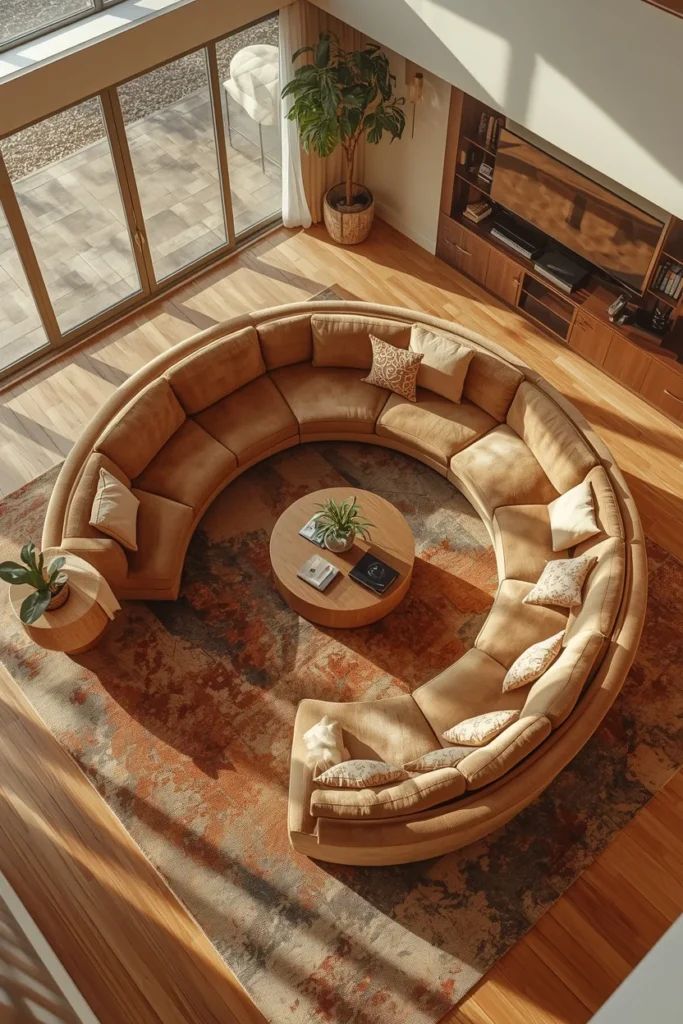
A rounded sofa or crescent sectional softens the hard angles that make family rooms feel more like waiting rooms than gathering spaces. The curve naturally draws seating into a conversation-pit shape, which keeps kids and adults facing each other instead of everyone pointed at a screen. This layout also removes sharp corners at kid height, which matters in a room where running, tumbling, and the occasional dog tail-wag are part of daily life. Curved pieces take up more floor space than straight sectionals, so it’s worth taping out the footprint on the floor before buying. This idea works best in rooms with at least 200 square feet, since curved furniture needs room to breathe to actually read as intentional rather than cramped.
2. Performance Fabric Sectional
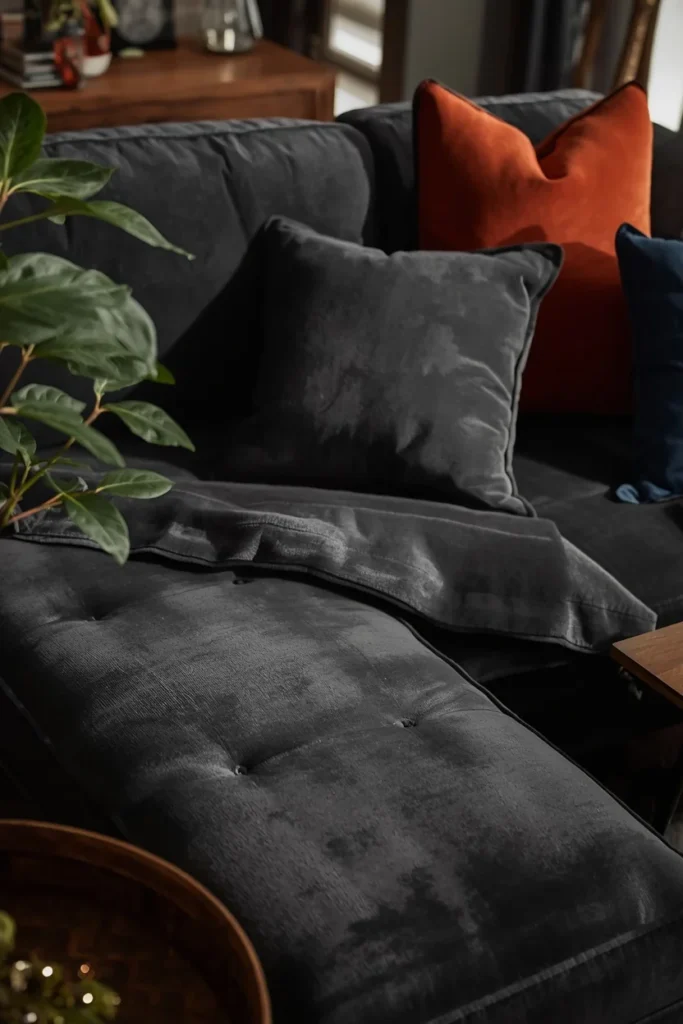
Performance velvet and Crypton-style fabrics have closed the gap between “kid-proof” and “actually looks nice,” which makes them one of the easiest upgrades for a busy family room. These woven fabrics are built to repel liquid and resist staining, so a spilled juice box or a muddy paw print wipes away instead of setting in. Choosing a rich, deep color like warm charcoal or espresso brown also hides everyday wear better than a pale gray or cream ever could. Pair the sectional with removable, washable cushion covers for anything that does need a deeper clean. This idea lets a family room commit to a genuinely elevated fabric choice without constantly worrying about what’s happening on top of it.
3. Built-In Window Seat With Storage
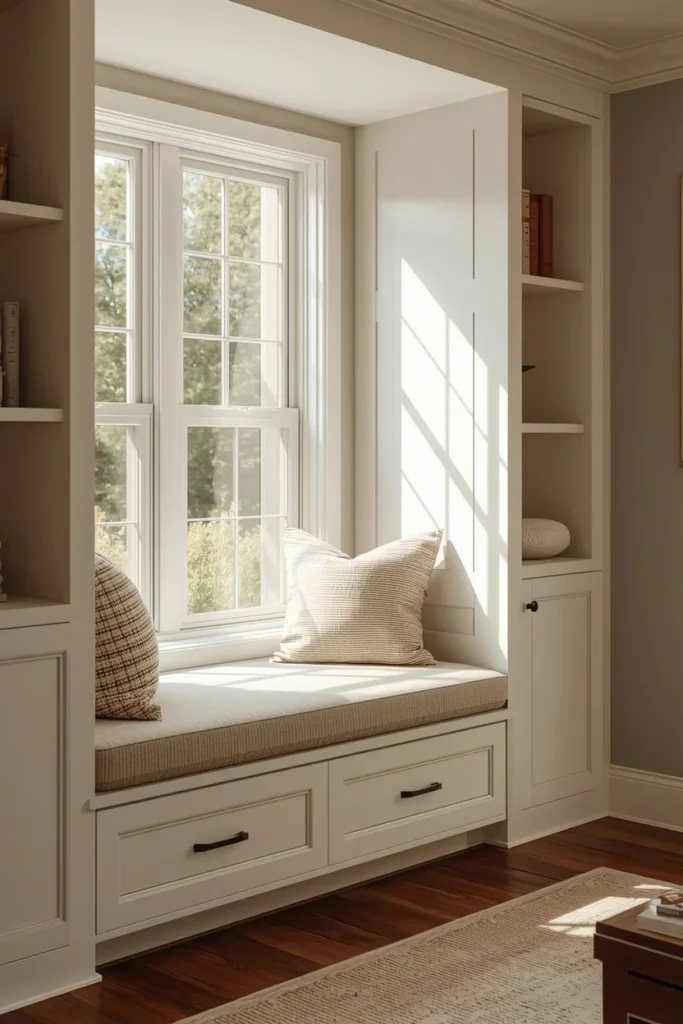
A built-in window seat with storage underneath turns wasted wall space into both a reading spot and a place to disappear an entire bin of toys. Cushioned seating along the window makes a naturally cozy nook for kids to curl up with a book while adults still get a clean, architectural line along that wall. Lift-top or drawer-style storage underneath keeps clutter out of sight without needing a separate toy chest taking up floor space elsewhere. Choosing a durable, washable cushion fabric here matters just as much as it does on the main seating. This idea works particularly well in rooms with an underused window wall that currently does nothing but let in light.
4. Woven Toy Baskets As Decor
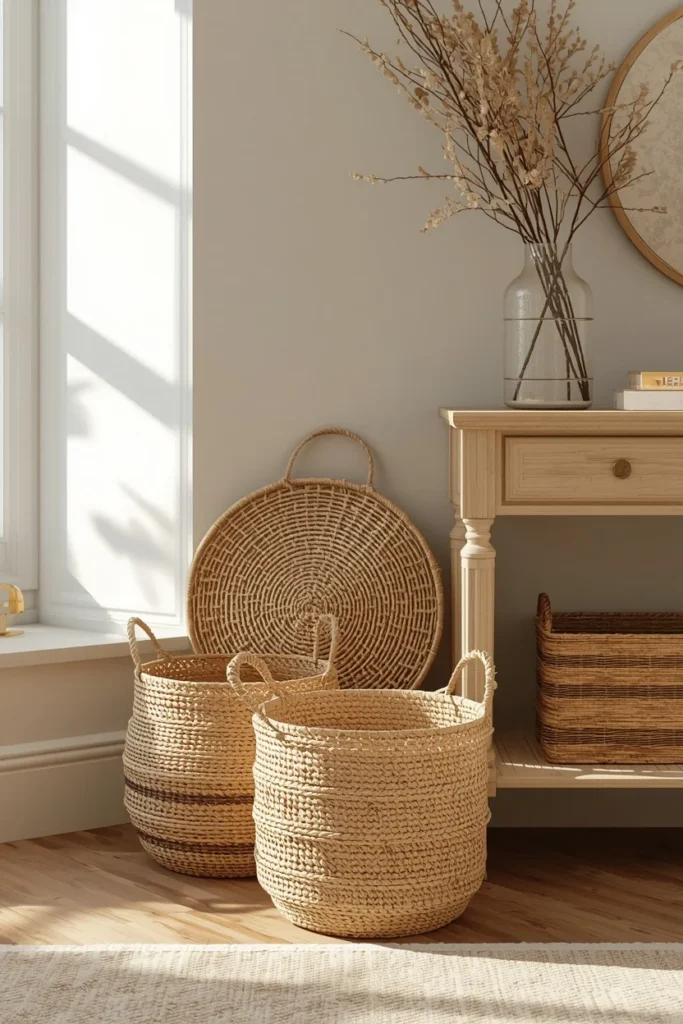
Large woven baskets tucked beside a console or under a side table hide toys in a way that still looks intentional rather than like storage overflow. Choosing baskets in natural materials — seagrass, rattan, or jute — means they read as texture and decor even when they’re doing double duty as a toy bin. Grouping two or three baskets of varying sizes together creates a small styled vignette instead of one oversized catch-all. This approach lets the actual cleanup process stay fast, since everything has an obvious, low-effort home. It’s one of the simplest swaps on this list, since it usually just means replacing plastic bins with something more visually considered.
5. Color-Drenched Cozy Den
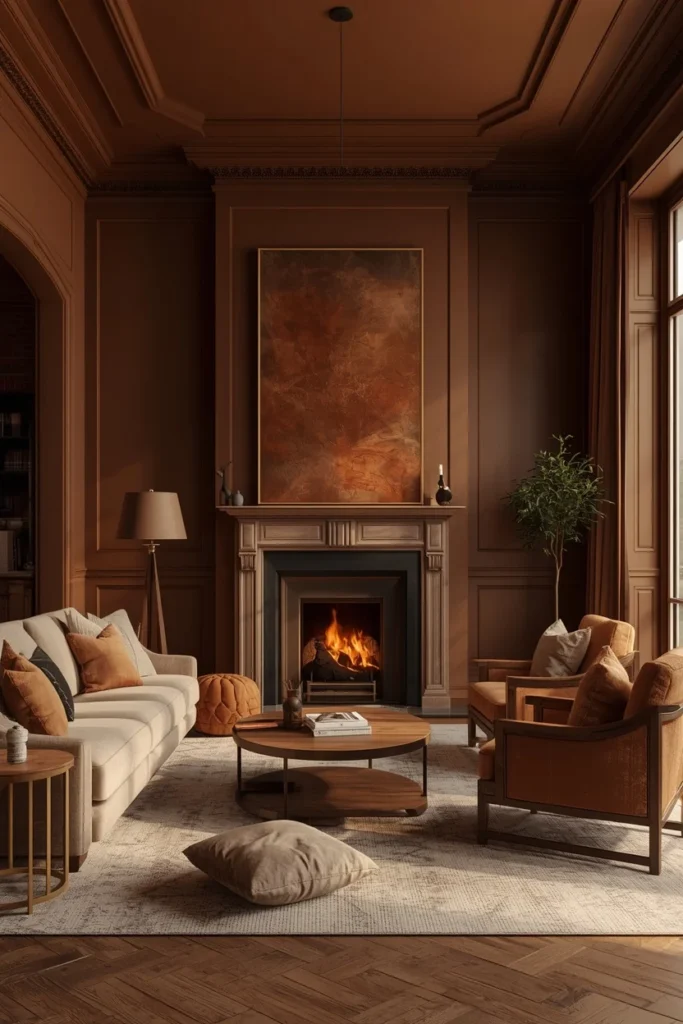
Color drenching — painting the walls, trim, baseboards, and even the ceiling the same saturated tone — blurs the room’s boundaries and makes a smaller family room feel larger and more cohesive. A warm espresso, deep olive, or rich terracotta drench gives the space an immersive, cocoon-like feel that reads as intentional rather than dated. Because the eye doesn’t stop at contrasting white trim lines, the room feels calmer even with kid clutter passing through it. Layer in a mix of warm wood and soft textiles so the saturated color doesn’t feel heavy or closed-in. This idea works especially well in family rooms without a ton of natural light, since the enveloping color can make a dim room feel deliberate instead of gloomy.
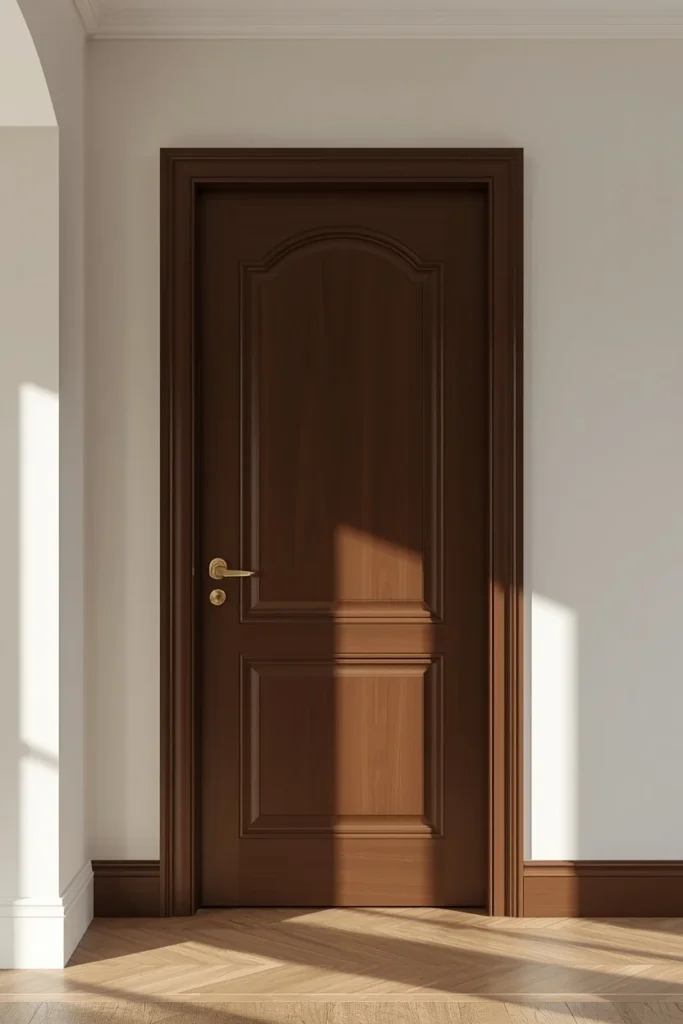
6. Micro-Drenched Trim Accent
For a lighter commitment than a full color drench, painting just the interior doors and surrounding trim in a deep espresso or terracotta while keeping the walls light turns a functional element into a design feature. This “micro-drench” adds drama and a designer touch without darkening the whole room, which keeps the space feeling bright enough for kids’ daytime activities. It’s a especially good option for rented homes or anyone hesitant to commit to a bold wall color throughout. Pair the accent trim with warm metal hardware, like brass or aged bronze door handles, to tie the look together. This idea proves a small, contained change can carry as much visual impact as a much bigger one.
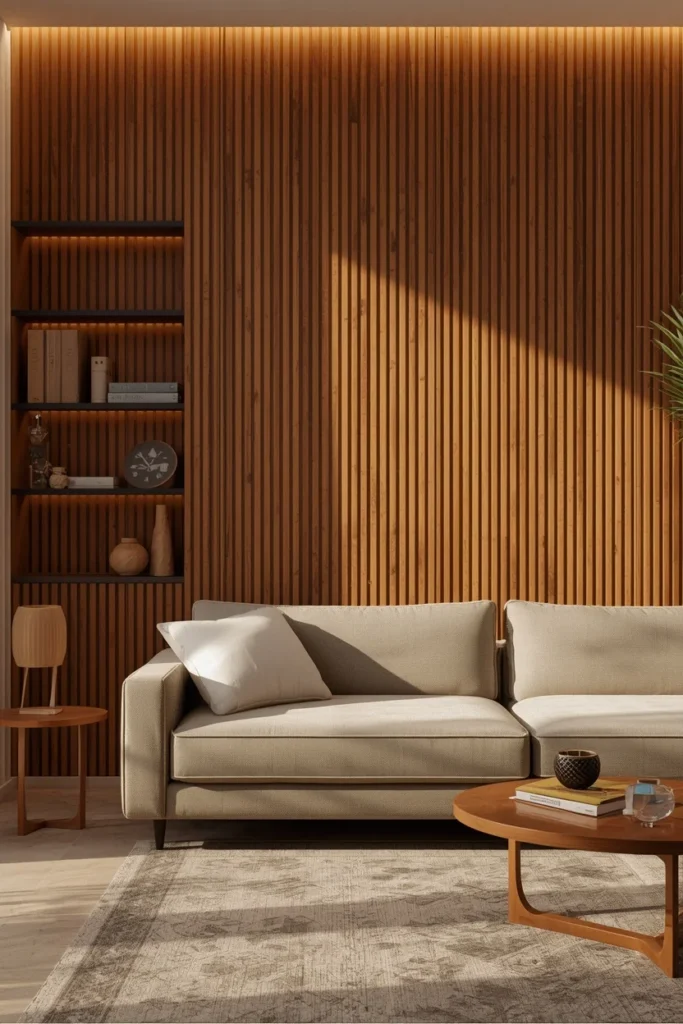
7. Textured Acoustic Wall Panels
Acoustic wood panels or tactile wallpaper in place of flat paint add texture and genuinely dampen the noise level in a room full of active kids. The ridged or slatted surface catches light in a way that reads as architectural rather than purely decorative, giving the wall a sense of quality even from across the room. This treatment works especially well behind the main seating area, where it becomes a natural backdrop for family photos or simple shelving. Choosing a warm wood tone keeps the panels feeling grounded rather than stark or overly modern. This idea suits households that spend a lot of time in the room together and want the space to feel calmer, not just look better.
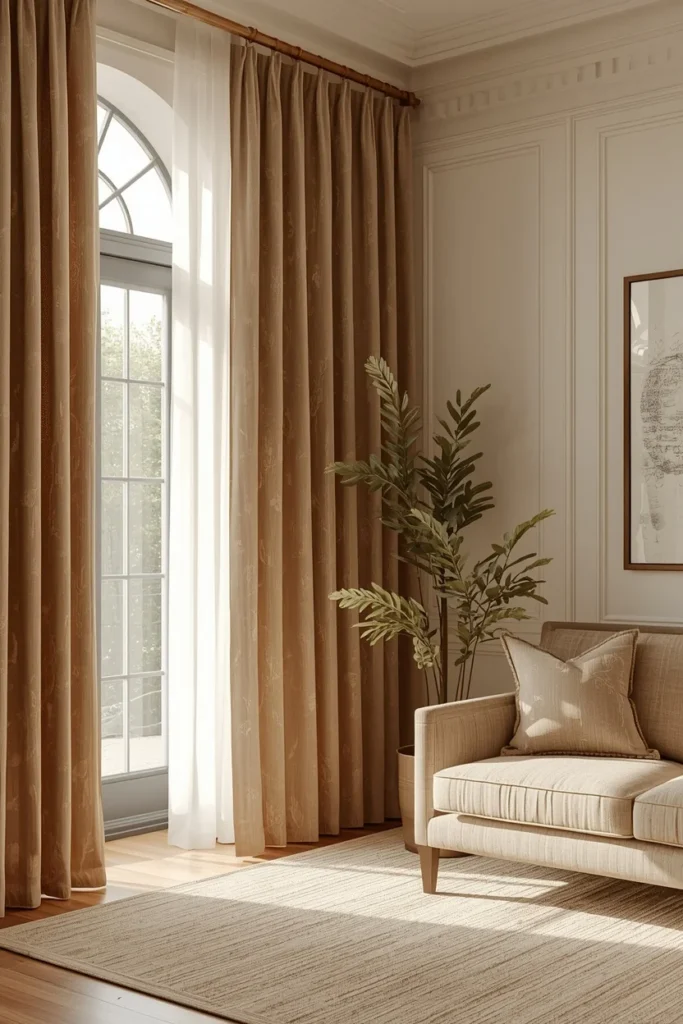
8. Floor-To-Ceiling Soft Drapery
Full-length linen or velvet drapes add a vertical layer of fabric that softens the acoustics of a busy family room while making the ceiling feel taller than it actually is. Unlike blinds, which can feel a little office-like, floor-to-ceiling fabric brings warmth and a finished, tailored look to the window wall. Subtle striped or botanical-print drapes in warm mocha or sage tones add pattern without overwhelming a room that already has a lot of visual activity from toys and daily use. Keeping the drapery functional — actually opening and closing with ease — matters more here than in a formal living room, since kids will inevitably pull on them. This idea works well paired with almost any other look on this list as a finishing layer.
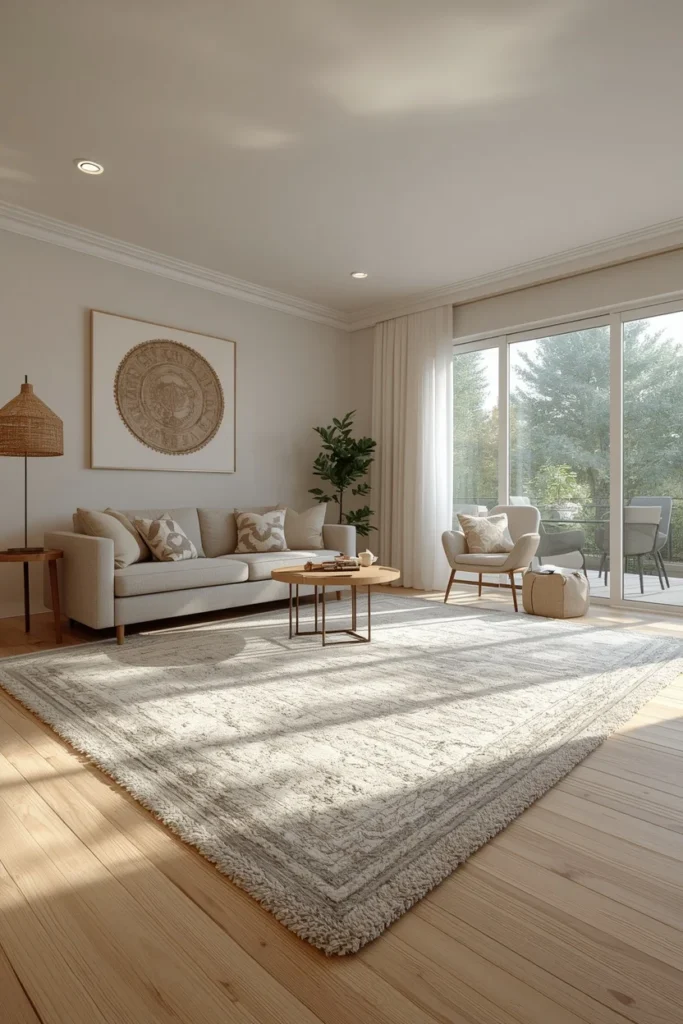
9. Large Durable Zoning Rug
A large area rug in a durable, low-pile weave anchors the seating area and visually separates it from a dining or play zone in an open-concept layout. Choosing a rug with a subtle pattern or a tonal weave hides everyday marks better than a flat, single-color rug would. Sizing the rug so the front legs of every major furniture piece sit on it keeps the room from feeling disconnected or floaty. In open floor plans, a second smaller rug can define a dedicated play corner without needing an actual wall to separate it. This idea does a lot of quiet work toward making a shared, multi-use space feel like several distinct, considered areas instead of one big undefined room.
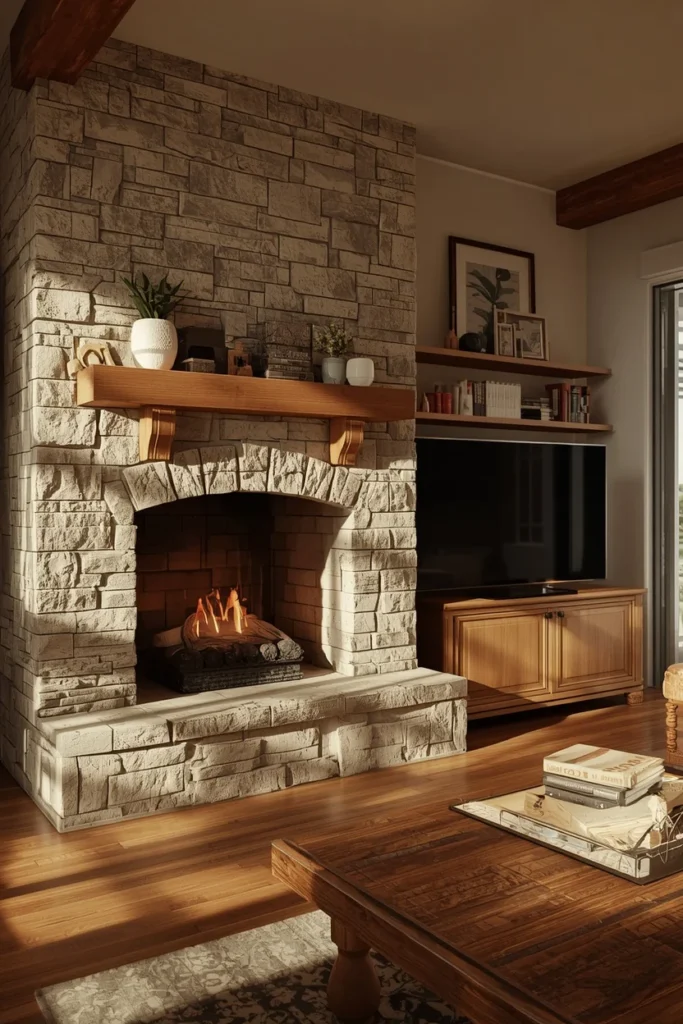
10. Low Console Beside The Fireplace
Mounting the TV above the fireplace is a common instinct, but it usually sits too high for comfortable viewing and takes the visual focus away from the hearth. Placing the television on a low console beside the fireplace instead keeps the fireplace as the room’s true architectural focal point while still making screen time comfortable. This also lowers the TV to a height that’s easier for younger kids to safely reach for connected devices or game consoles, without needing furniture climbed on to adjust anything. A console with closed cabinet doors hides gaming systems, cords, and controllers when they’re not in use. This layout choice quietly signals that the room was designed around the fireplace and the family, not around the screen.
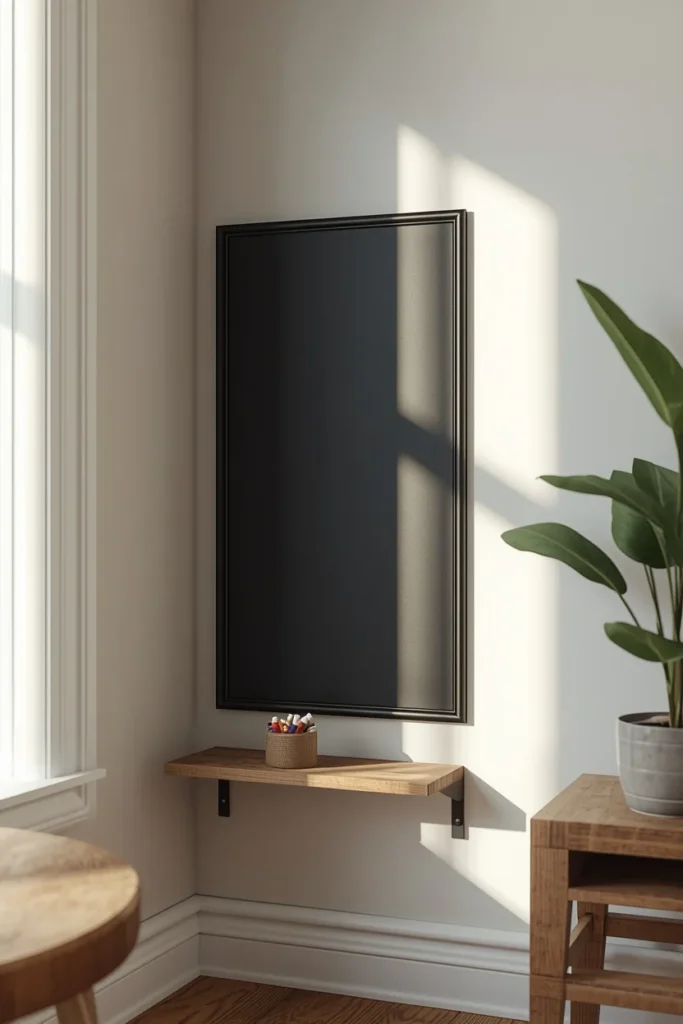
11. Chalkboard Or Whiteboard Wall Nook
A small chalkboard or whiteboard panel built into one wall gives kids a dedicated creative outlet that doesn’t require redecorating the entire room around crayons and markers. Framing the panel like a piece of art, with a simple wood or black metal border, keeps it feeling like an intentional design choice rather than a classroom leftover. Placing it in a corner or a less prominent wall keeps the main seating area feeling more adult while still giving kids their own creative zone within the same room. A small shelf underneath holds chalk or markers in a covered container to keep the area tidy between uses. This idea works well for families with younger kids who want a space that’s genuinely theirs within a shared room.
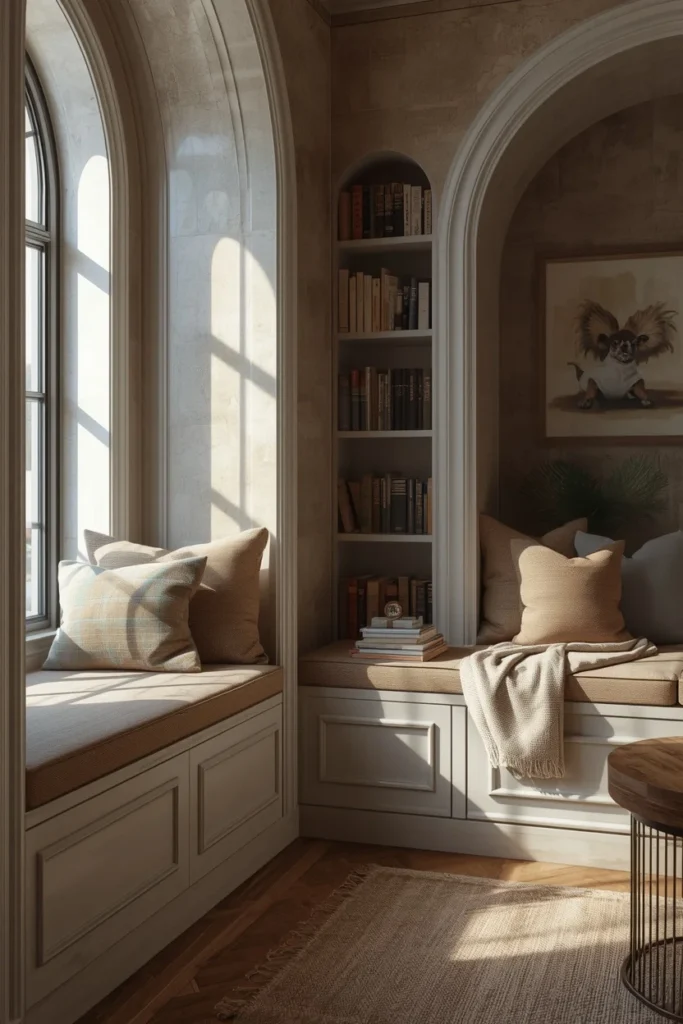
12. Built-In Reading Nook
Built-in seating flanking a fireplace or window, layered with cushions and a few favorite books within reach, creates one of the most-used spots in a family room regardless of age. Storage benches underneath keep books, blankets, or games contained without needing extra freestanding furniture in the room. Cushions with removable, washable covers handle the daily wear of kids curling up with snacks far better than a delicate upholstered chair would. The symmetry of built-ins flanking a hearth also gives the room an architectural, custom feel that standalone furniture rarely achieves. This idea works especially well in Craftsman or cottage-style homes where existing millwork already supports a built-in addition.
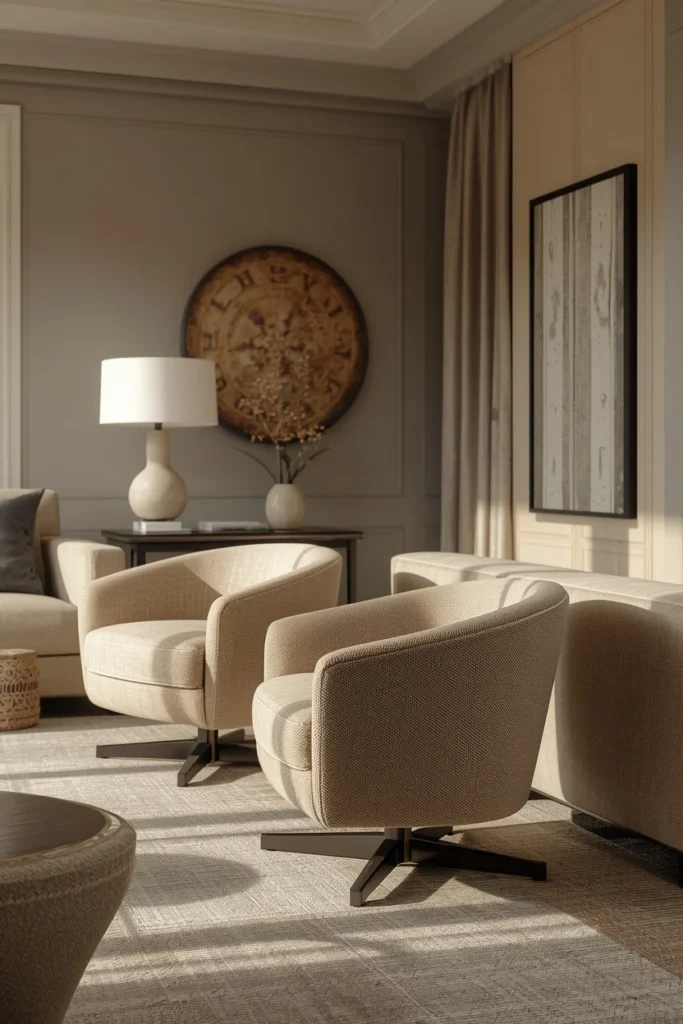
13. Swivel Chairs For Flexible Seating
A pair of swivel chairs beside a sectional adds practical flexibility that a fixed armchair can’t offer, letting seating shift easily from facing the TV during movie night to facing the room during conversation or playtime. The subtle rotation also makes it simple for an adult to keep an eye on kids playing nearby without needing to fully turn around. Choosing swivel chairs in a durable performance fabric keeps them holding up as well as the main sectional. This detail is a small one, but it solves a real daily friction point in rooms that need to function differently depending on the time of day. It’s especially useful in family rooms that double as a homework space during the day and a relaxation spot in the evening.
14. Layered Lamp Lighting
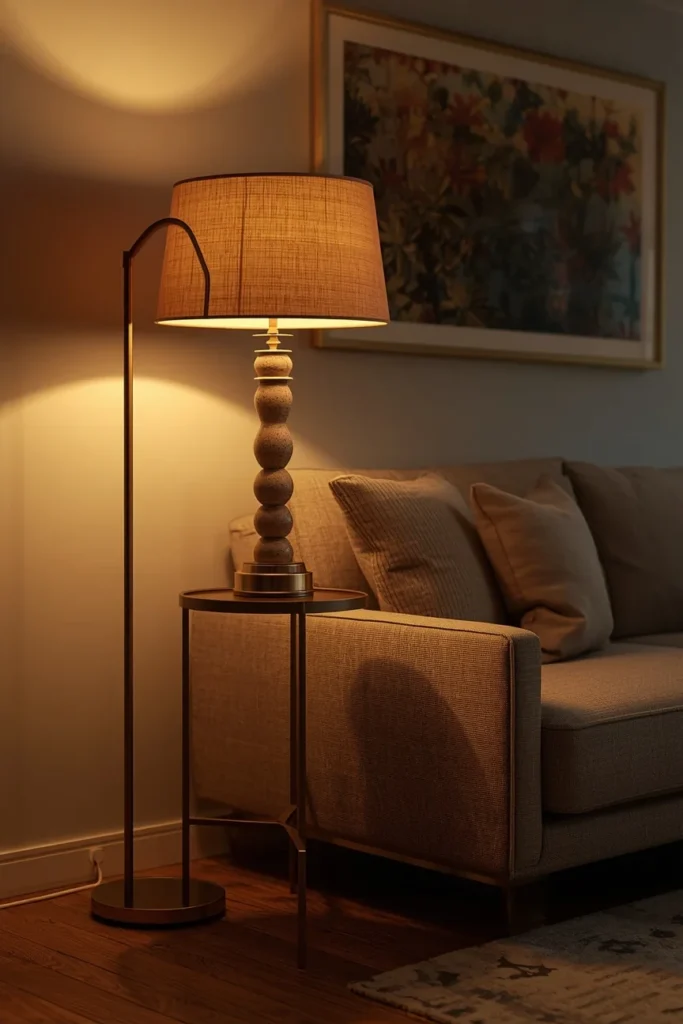
Relying on a single overhead fixture, sometimes called “the big light,” tends to flatten a room and make it feel more clinical than cozy. Layering in table lamps, a floor lamp, and small accent lighting instead gives a family room a warmer, more adaptable glow that works for both a bright afternoon of building blocks and a dim, relaxed evening. Dimmer switches on any remaining overhead lighting add another layer of control for shifting the mood throughout the day. Choosing lamp bases in warm materials like ceramic or brass ties the lighting into the room’s overall palette rather than treating it as an afterthought. This idea costs relatively little compared to other renovations but changes how the whole room feels almost immediately.
15. Collected Vintage-Meets-Modern Look
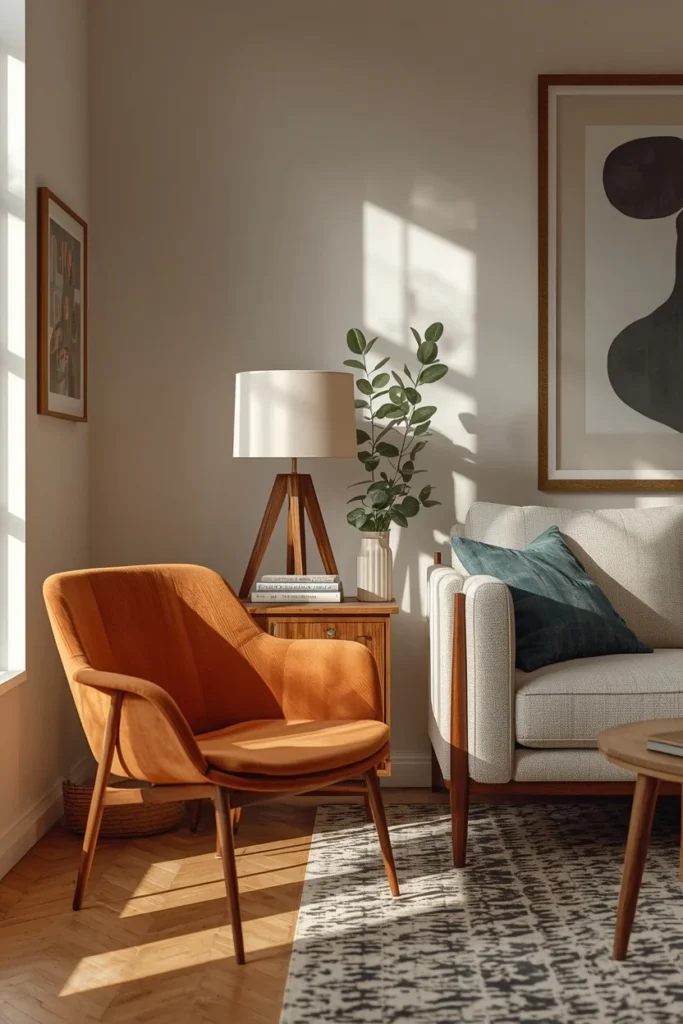
Mixing vintage pieces, heirlooms, or mid-century finds with newer, more practical furniture gives a family room a sense of history and personality that a fully new furniture set can’t replicate. A vintage side table or an inherited chair placed alongside a durable modern sectional keeps the room feeling collected over time rather than purchased all at once. These personal pieces also give kids a natural jumping-off point for family stories, which adds meaning beyond just the visual interest. Balancing one or two vintage pieces with primarily practical, durable furniture keeps the room functional without sacrificing character. This idea suits families who already have meaningful pieces sitting in storage or another room, waiting for the right spot.
16. Playful Clashing Patterns
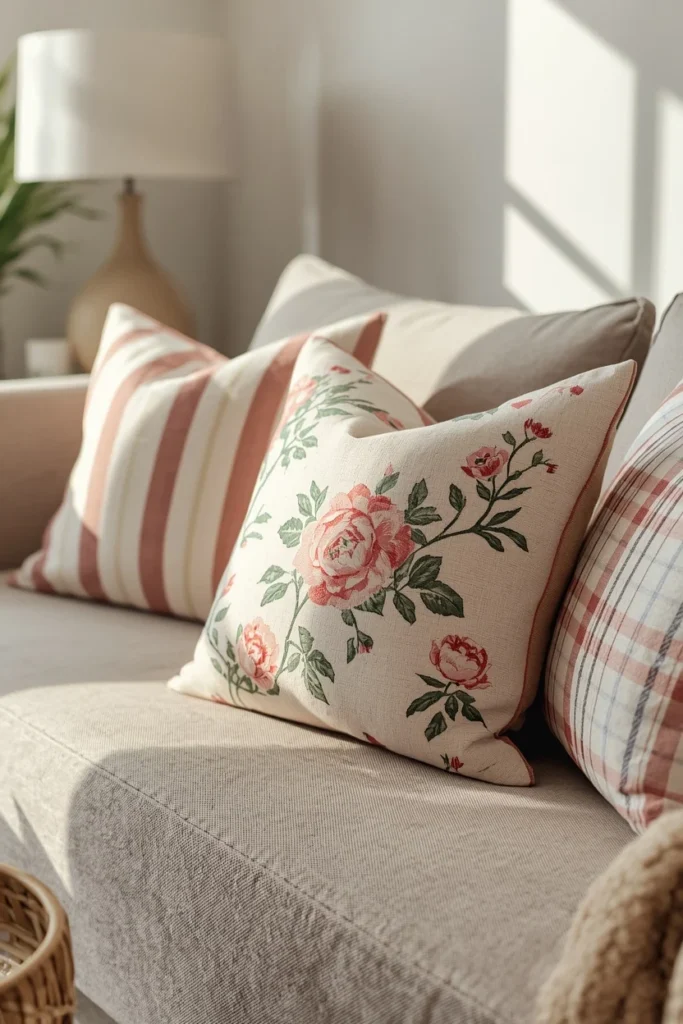
Combining stripes and checks, or pairing a floral cushion with a striped throw, brings a playful energy to a family room without needing bright primary colors that skew too young. This kind of intentional pattern clash reads as confident and current rather than chaotic, especially when the colors within each pattern share a common thread. Keeping the base furniture and walls neutral gives the patterns room to stand out without overwhelming the whole space. This approach lets a room feel fun and a little unexpected while still reading as considered and adult. It works particularly well on cushions and throws, which are easy and inexpensive to swap out as tastes change.
17. Neutral Base With Bold Color Pops
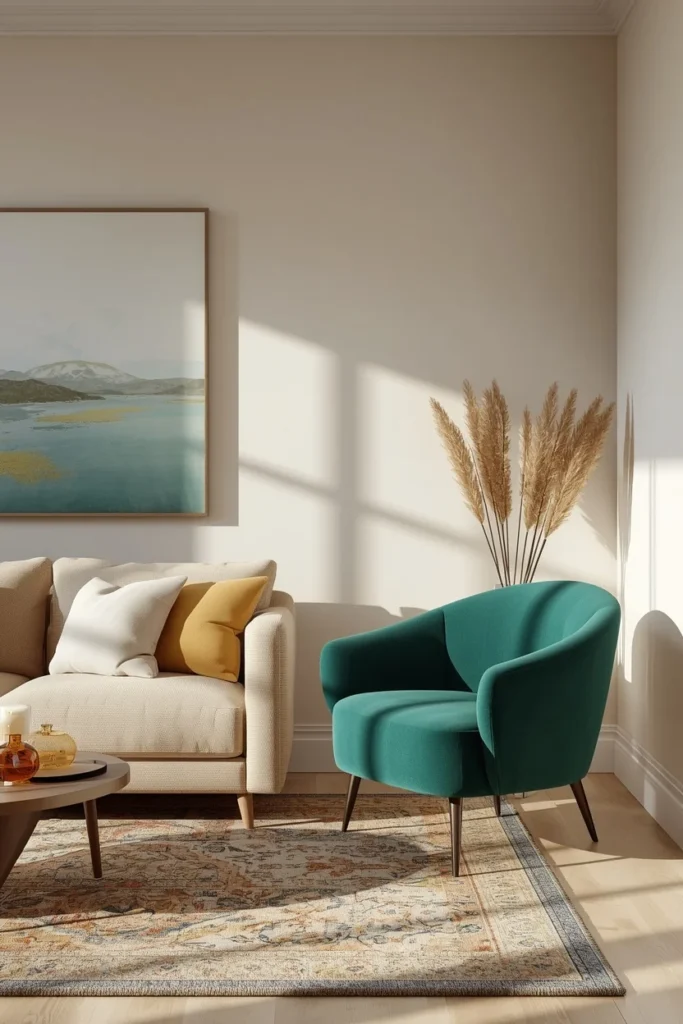
Keeping the large furniture pieces — sofa, rug, walls — in warm neutrals gives a family room a timeless base that won’t feel dated in a few years, while a few bold accent pieces bring in color that can shift as trends or tastes change. A saturated accent chair, a set of colorful glass vases, or a bold piece of art gives the room personality without requiring a full redesign down the line. This approach also makes it easy for kids to have input on the space through smaller, changeable elements like cushions or a lamp, without those choices dictating the whole room’s direction. Rotating in new accent colors seasonally or as kids’ interests shift keeps the room feeling current with minimal effort. This idea suits families who want a flexible foundation more than a single fixed aesthetic.
18. Hidden Playroom Behind A Divider
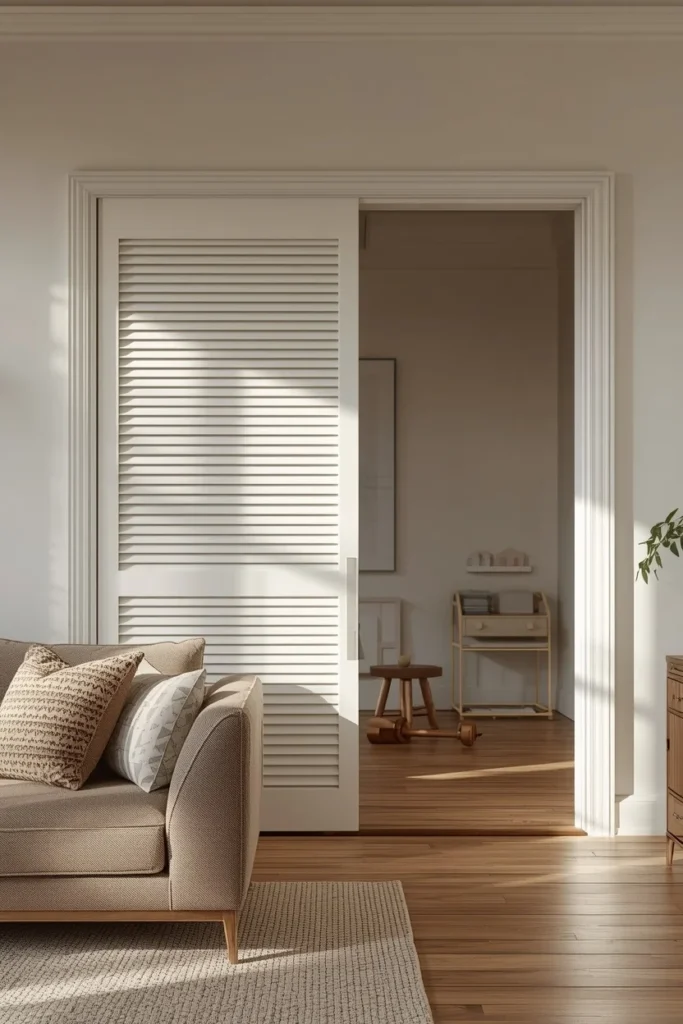
A sliding door, bookshelf divider, or curtain wall can separate an active play area from the main seating space without requiring a full room addition. This lets toys and kid-scale furniture stay fully out of sight when the family room needs to look pulled-together for guests, while still giving kids a dedicated zone the rest of the time. A glass-paned or louvered divider keeps sightlines open for supervision even while visually separating the two zones. This approach works particularly well in larger or open-concept family rooms with enough square footage to comfortably split into two functional areas. It’s a favorite trick for families who want their main living space to genuinely double as both a designed room and a real playroom.
19. Durable Leather Sectional
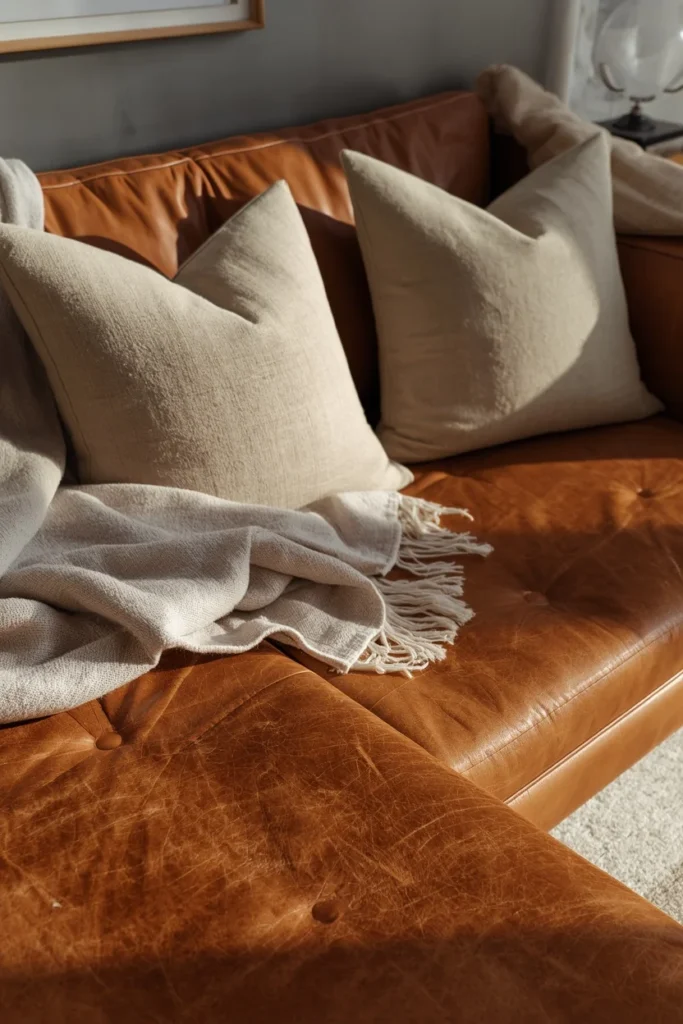
A quality leather or vegan leather sectional wipes clean in seconds, which makes it one of the most practical choices for a family room that sees daily snacks, art projects, and pet visits. Leather develops a natural patina over time, meaning small scuffs and marks tend to add character rather than looking like damage the way they might on fabric. Choosing a warm cognac or deep espresso tone keeps the material feeling rich rather than cold or overly formal. Pairing the leather with soft textiles — a wool throw, linen cushions — balances its structured surface with something more casual to sink into. This idea suits households looking for one particularly high-durability piece to anchor the rest of a more flexible, textile-driven room.
20. Mixed Gallery Wall With Kid Art
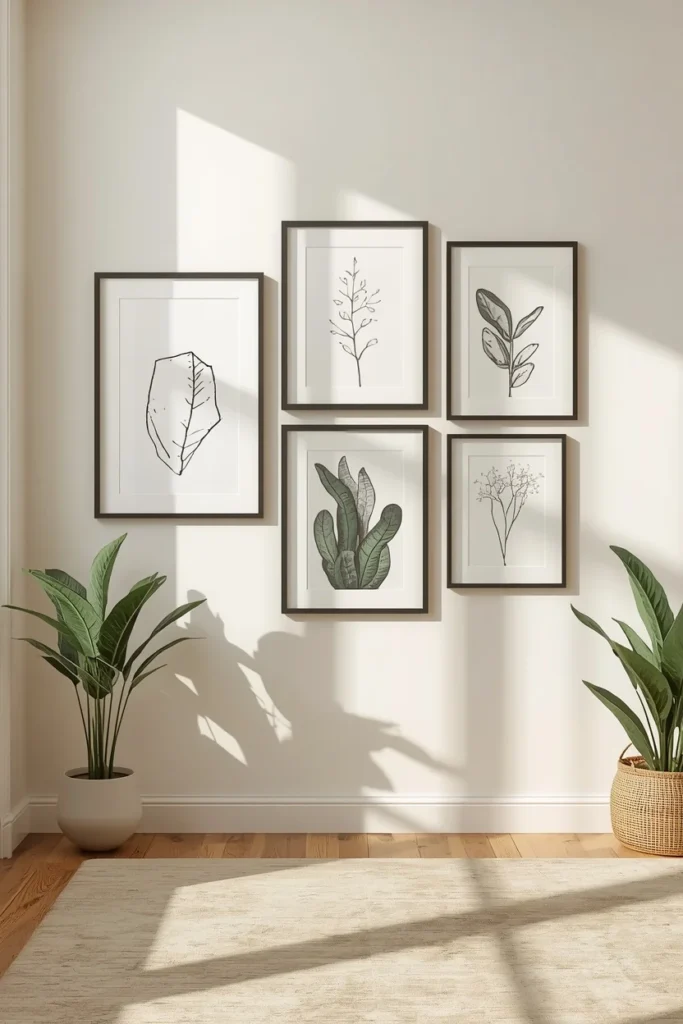
A gallery wall that combines real, curated art with a rotating selection of kids’ drawings gives a family room a sense of both design intention and genuine family life. Framing kids’ artwork in simple, matching frames elevates it instantly, letting it sit comfortably alongside more traditional pieces rather than looking out of place. Leaving one or two frames empty or swappable makes it easy to rotate in new kid art without redoing the whole wall each time. Keeping a consistent frame color or finish throughout ties the whole arrangement together despite the mix of styles and subject matter. This idea turns something every family already has — a growing pile of kids’ drawings — into an actual design feature instead of clutter stuck to the fridge.
21. Game-Night Storage Coffee Table
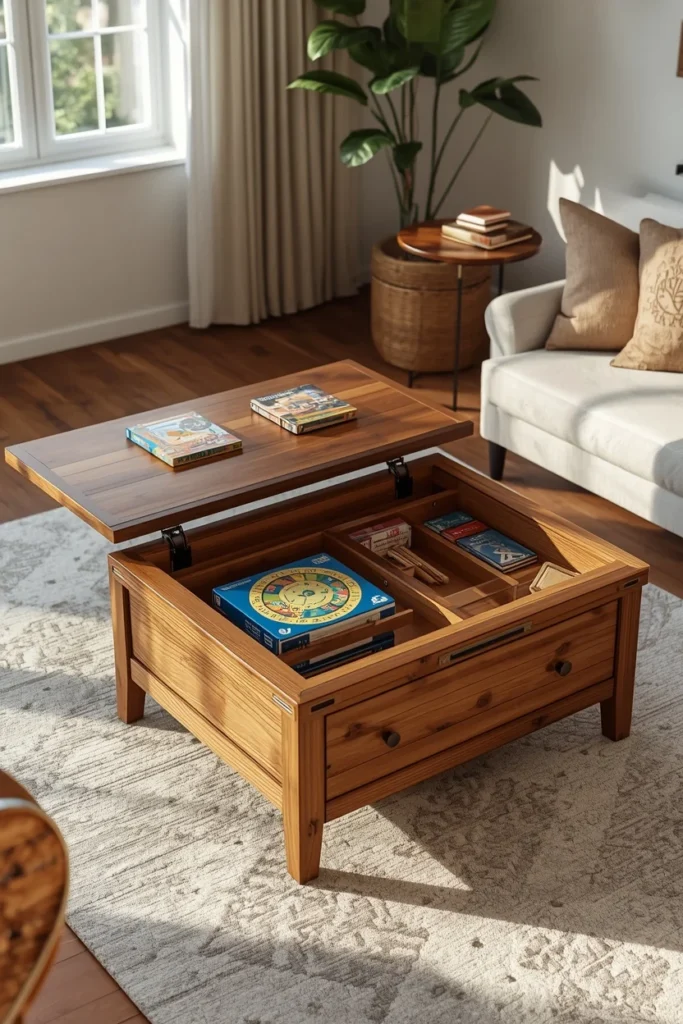
A coffee table with a lift-top surface or drawer storage underneath keeps board games, puzzles, and remote controls contained and out of sight between uses. The flat, sturdy top doubles as a surface for game night, homework, or a laptop, making the piece genuinely functional rather than purely decorative. Choosing a table in warm wood or a durable stone-look material keeps it looking substantial even with daily use. This kind of hardworking furniture piece reduces the need for a separate media cabinet or toy chest elsewhere in the room. It’s an especially good fit for families who use their family room for regular game nights or ongoing puzzle projects.
22. Indoor-Outdoor Flow
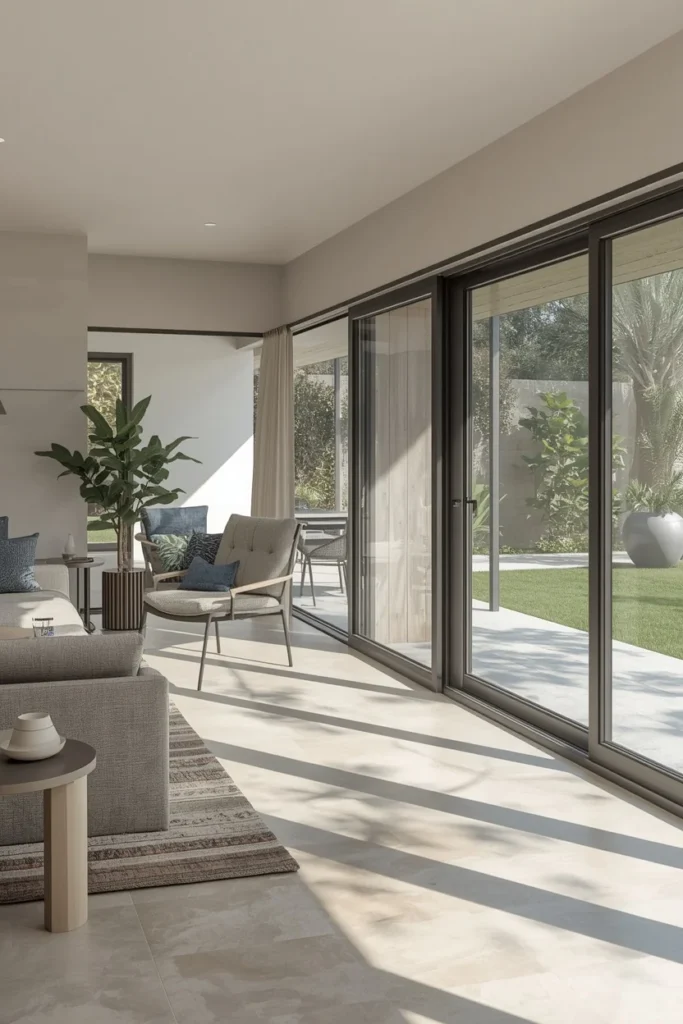
Large sliding or French doors connecting the family room directly to a patio or backyard extend the usable space and give kids an easy, supervised way to move between the two areas. Matching flooring or a continuous color palette between the interior and the immediate outdoor space makes the transition feel seamless rather than like two separate rooms. Durable, weather-appropriate fabrics on any furniture near the doors handle the extra dust and moisture that comes with frequent in-and-out traffic. This layout works especially well for households that spend a lot of time outdoors during warmer months but still want a connected central gathering space. It also makes supervising kids playing outside far easier than a family room tucked away from any exterior access.
23. Multi-Functional Ottoman Coffee Table
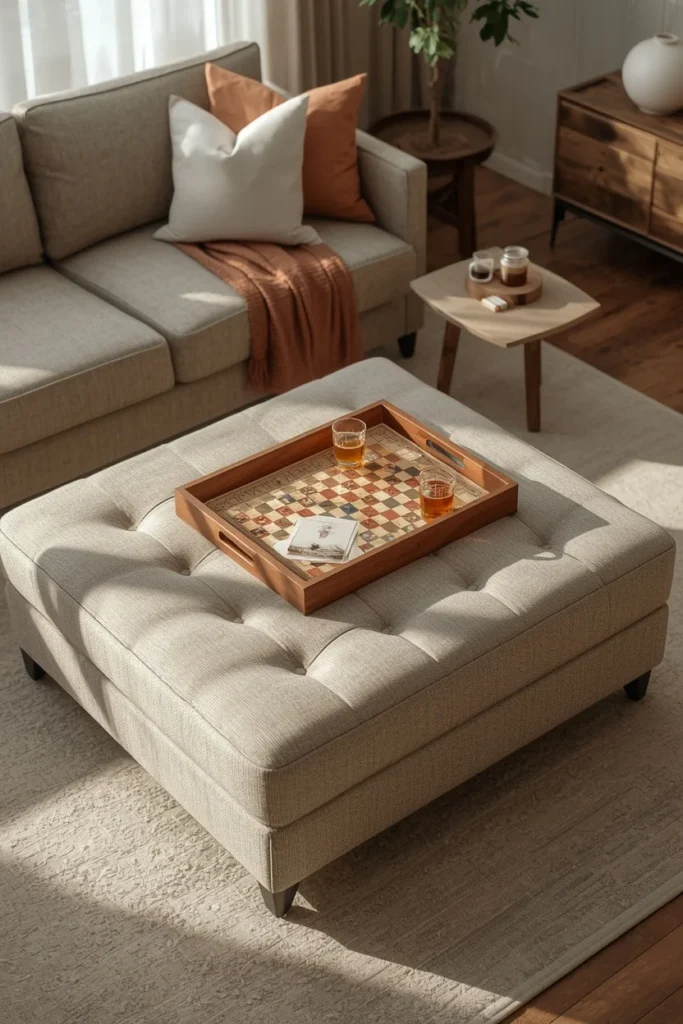
A large upholstered ottoman in place of a traditional coffee table softens the room’s hard edges while offering flexible extra seating during a full house of kids and their friends. Choosing a durable, stain-resistant fabric keeps it functional for actual daily use rather than purely decorative. A sturdy tray on top adds back the flat surface function of a coffee table for drinks, snacks, or a board game, while still allowing the tray to be lifted off entirely for extra floor seating. This piece works especially well in smaller family rooms, since it does double duty as both table and seating without adding extra furniture. It’s a practical, family-first swap that still looks intentional and finished.
24. Styled Floor Cushion Corner
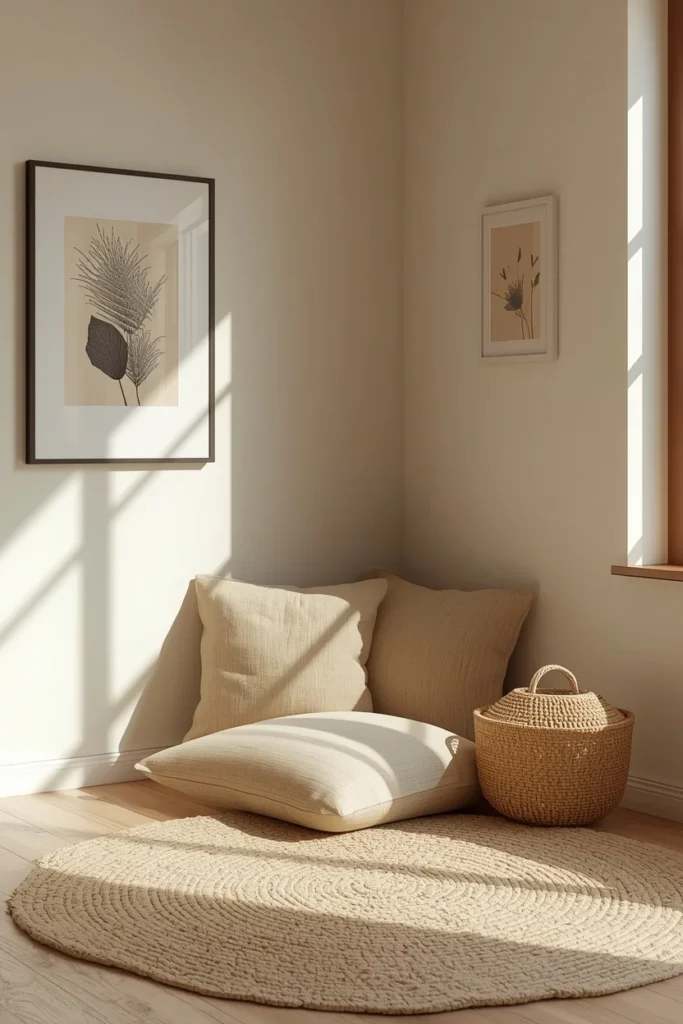
A dedicated corner with floor cushions, a soft low rug layer, and a small basket of books or toys gives kids their own casual, low-to-the-ground spot within the larger, more adult-styled room. Choosing floor cushions in a fabric and color that matches the rest of the room’s palette keeps the corner feeling like part of the overall design rather than a separate kid zone dropped in. A small low shelf nearby holds a rotating selection of books or games within easy reach for younger kids. This idea works well tucked into an underused corner near a window or beside the main seating area, giving kids proximity to the family without taking over the primary furniture. It’s one of the simplest ways to build genuine kid function into a room that still reads as considered and grown-up.
Styling Tips
- Choose one or two “hero” pieces (a sectional, a rug, an accent chair) to invest more in, and keep everything else practical and easily replaceable.
- Stick to a warm, cohesive base palette so kid-driven additions (art, toys left out, colorful cushions) don’t clash with the room’s overall look.
- Use texture — bouclé, leather, wood grain, woven baskets — to add visual interest that doesn’t rely on precious or fragile materials.
- Keep a consistent frame or hardware finish throughout the room so mixed furniture styles and eras still feel connected.
- Build in at least one low-maintenance storage solution per activity type (toys, games, blankets) so cleanup has an obvious, fast home.
Practical Implementation Ideas
- Start with fabric and rug choices before any other decor decision, since these two elements take the most daily wear in a family room.
- Test performance or Crypton-style fabric swatches with an actual spill (water, juice, marker) before committing to a full sectional.
- Add furniture risers or slim legs under any low seating to make the room easier to sweep or vacuum around.
- Use furniture with rounded corners wherever possible in the main walking paths, especially near coffee tables and console edges.
Common Mistakes To Avoid
- Choosing delicate, dry-clean-only fabrics for a family room’s primary seating, which creates ongoing anxiety rather than a relaxed space.
- Mounting the TV directly above the fireplace, which is usually too high for comfortable viewing and pulls focus from the hearth.
- Skipping dedicated storage entirely, which leads to toys and games accumulating in visible piles rather than tucked-away baskets or benches.
- Relying only on one overhead light, which flattens the room and makes it feel more utilitarian than warm.
Small-Space Alternatives
- A loveseat-and-two-chairs configuration instead of a full sectional keeps a smaller family room from feeling overcrowded.
- Wall-mounted shelving for books and games frees up floor space that a small room can’t spare.
- Nesting or stacking storage ottomans provide flexible seating and storage without a bulky permanent footprint.
- A single well-placed mirror can make a smaller family room feel more open without adding any furniture at all.
Budget-Friendly Alternatives
- Swap in performance fabric slipcovers on an existing sofa rather than buying new upholstered furniture outright.
- Thrifted vintage side tables or accent chairs bring in character at a fraction of new-retail pricing.
- DIY a mixed gallery wall using inexpensive matching frames for both real art prints and kids’ drawings.
- Repurpose baskets or bins already in the house as toy storage instead of purchasing a matching storage system.
Pro Styling Recommendations
- Layer at least three types of lighting (overhead, table, floor) so the room can shift from daytime function to evening coziness.
- Choose one dominant neutral and one or two supporting colors rather than working with a wide, scattered palette.
- Keep a “reset” routine in mind when designing storage — every toy or game category should have one obvious, fast home.
- Leave a little visual breathing room even in a busy family room; a slightly under-furnished space often functions and photographs better than an overcrowded one.
FAQs
Conclusion
A family room doesn’t have to pick a side between “nice” and “livable.” The rooms that actually work long-term are built on a few durable, well-chosen pieces, smart storage that makes cleanup effortless, and a layout flexible enough to handle a Tuesday afternoon and a Saturday movie night with the same ease. Start with the fabric and the storage, and the rest of the style tends to follow.