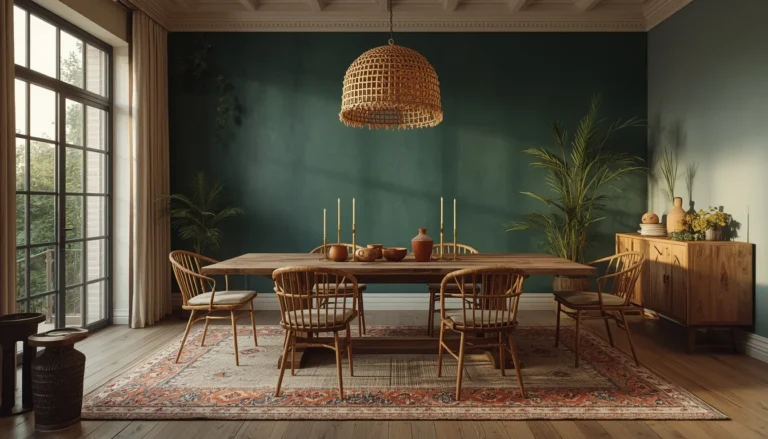
21 Home Office Aesthetic Ideas That Make Working From Home Actually Enjoyable
Working from your kitchen table was fine for a while. But somewhere between the third Zoom call and the fourth cup of coffee going cold next to your laptop, most of us start craving a space that actually feels like ours — somewhere we want to sit down, not just somewhere we have to.
A home office doesn’t need a spare room or a big budget to feel good. It needs the right combination of light, texture, color, and a few pieces that make the space feel intentional instead of improvised. Below are 21 aesthetic directions, real styling logic behind each one, and small-space and budget versions so you can build a workday you don’t dread.
Table of Contents
- Biophilic Green Retreat
- Japandi Minimalist Desk
- Warm Farmhouse Study
- Moody Black Accent Wall
- Coastal Light-and-Linen Office
- Modern Scandinavian Workspace
- Cozy Cottagecore Nook
- Industrial Loft Office
- Light Academia Reading Desk
- Feminine Soft-Glam Office
- Bohemian Layered Office
- Color-Drenched Statement Office
- Classic Traditional Study
- Two-Desk Shared Workspace
- Sunroom or Window-Bay Office
- Chrome and Metallic Accents
- Wellness-Zoned Office
- Storage-First Organized Office
- Vintage Eclectic Study
- Warm Neutral Gallery Wall Office
- Closet or Nook Micro-Office
1. Biophilic Green Retreat
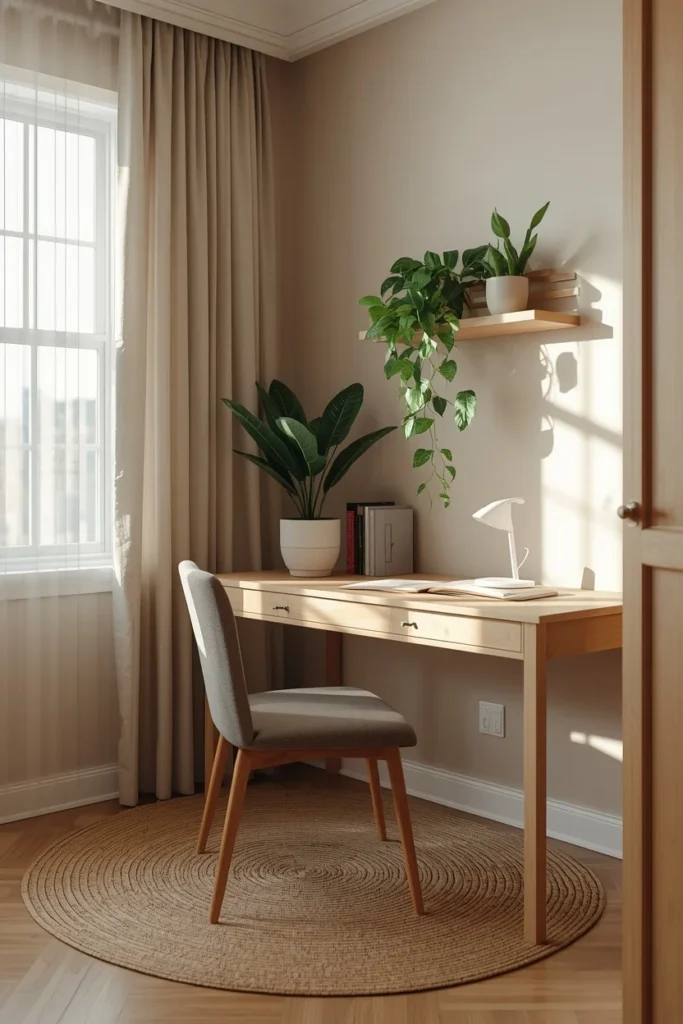
This one leans on plants, wood, and daylight to make a desk feel less like a workstation and more like a small greenhouse with a laptop in it. Snake plants and pothos are the easiest to keep alive near a desk, since both handle low light and irregular watering.
A wooden desk with woven baskets underneath keeps the room grounded, while a linen curtain softens direct sun without blocking it. This look also tends to lower visual clutter, since green and wood tones sit naturally together without much matching effort.
2. Japandi Minimalist Desk
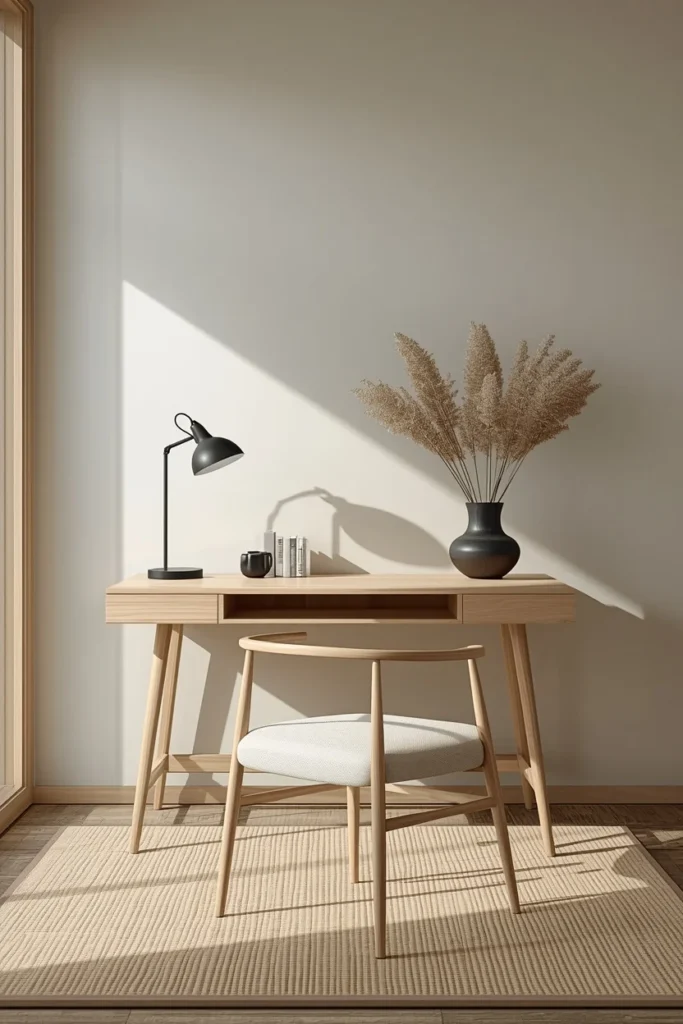
Japandi blends Japanese restraint with Scandinavian warmth, so the palette stays quiet: unbleached wood, matte black hardware, and maybe one ceramic piece on the desk. The rule here is fewer, better objects — a single lamp, a single tray, nothing competing for attention.
Low-profile furniture and a lack of clutter make small rooms feel bigger, which is part of why this style photographs so well on Pinterest. It also happens to be one of the calmest aesthetics to actually work in, since there’s less visual noise pulling your focus off the screen.
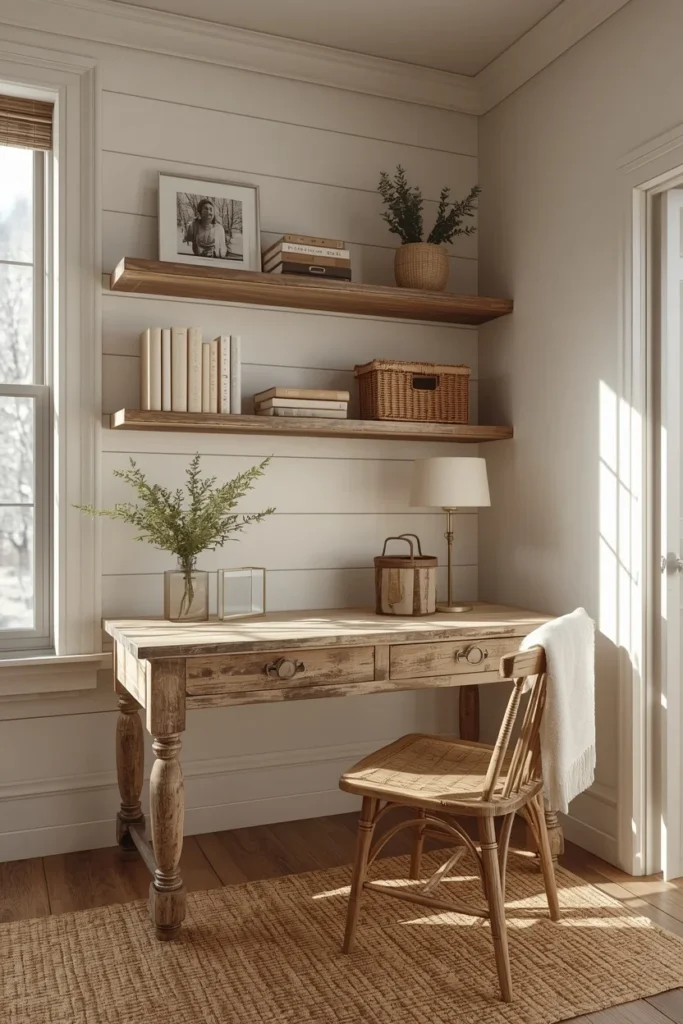
3. Warm Farmhouse Study
Farmhouse home offices trade cold minimalism for texture: a distressed wood desk, an open shelf stacked with books and baskets, and a woven throw over the back of the chair. Shiplap or beadboard on one wall adds character without needing a full renovation.
The trick to keeping this look from feeling dated is restraint on the “country” accessories — one or two vintage-style pieces read as curated, five or six read as a theme park.
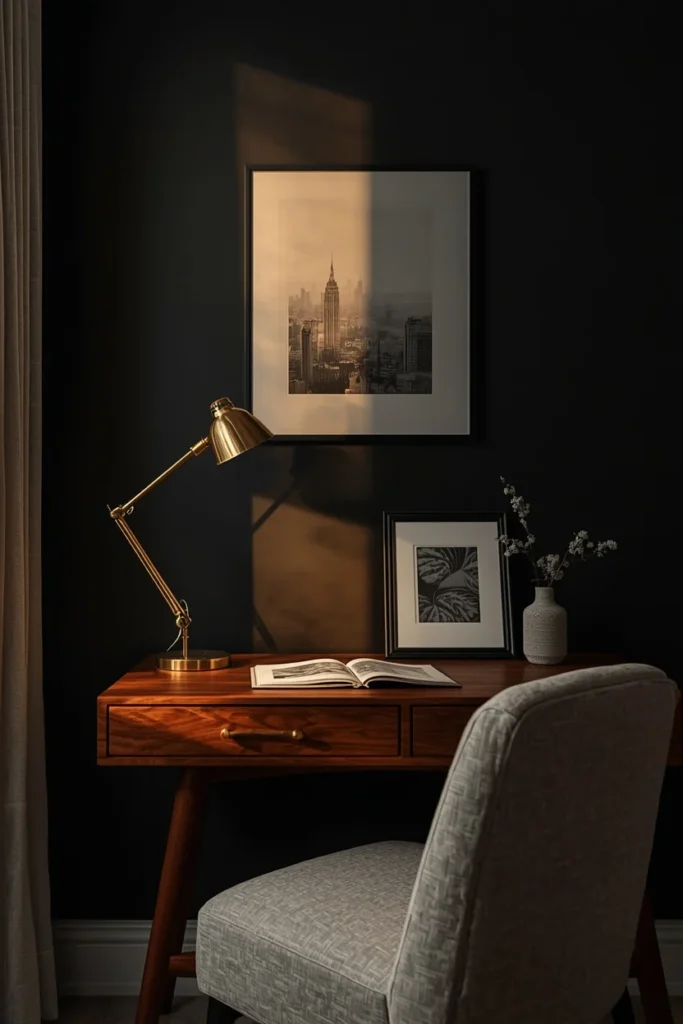
4. Moody Black Accent Wall
A single dark wall behind the desk makes video calls look sharper and gives an otherwise plain room a sense of intention. Black or deep charcoal paint on just one wall, paired with brass or warm-wood accents, keeps the room from feeling like a cave.
Balance the dark wall with a bright desk lamp and a light-colored rug, so the room still reads as bright enough to work in for eight hours.
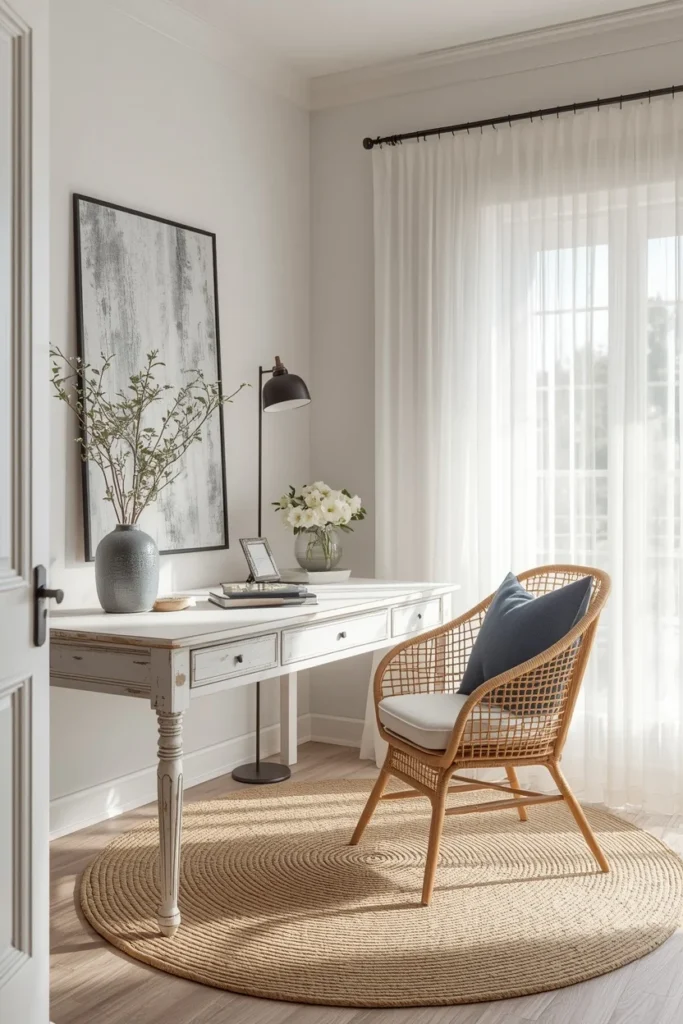
5. Coastal Light-and-Linen Office
This aesthetic runs on white walls, natural fiber textures, and blue accents that never veer into “beach cottage kitsch.” Rattan chairs, a jute rug, and linen curtains keep everything breathable, while one navy or seafoam accent — a lamp, a cushion — anchors the palette.
Coastal offices work especially well in rooms with good natural light, since the whole look depends on that airy, sun-washed feeling.
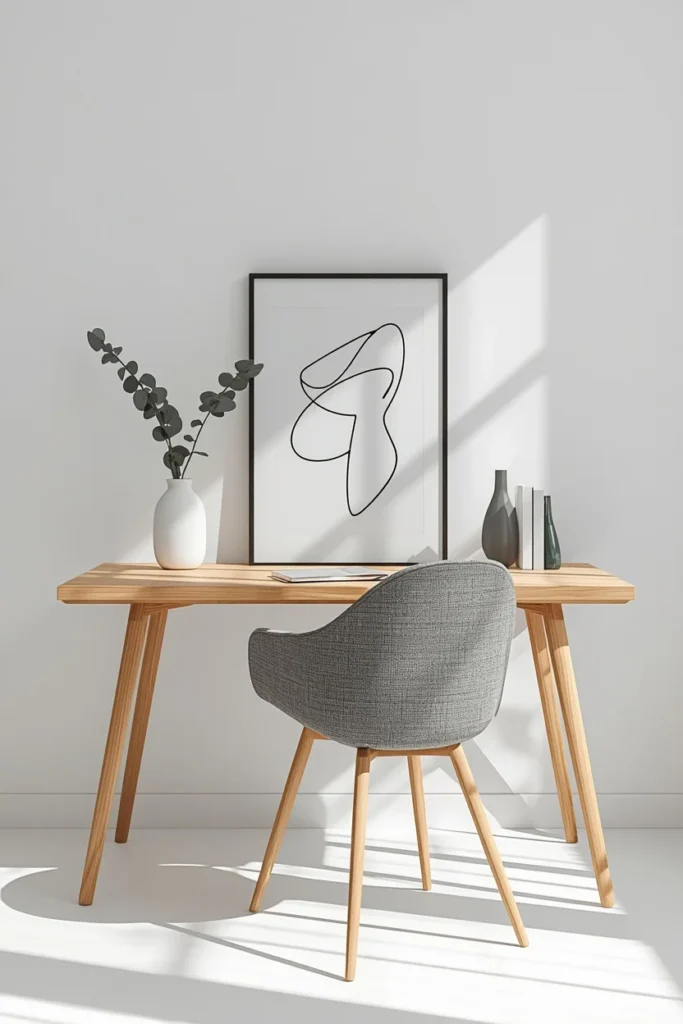
6. Modern Scandinavian Workspace
Scandinavian style is Japandi’s brighter, slightly more playful cousin: white oak, soft grey, and one or two bold graphic accents like a black-and-white print or a patterned throw pillow. Function leads the design — every piece earns its place.
Keep cords hidden and surfaces mostly clear. Scandinavian minimalism reads as calm, not empty, only when the few visible objects are chosen carefully.
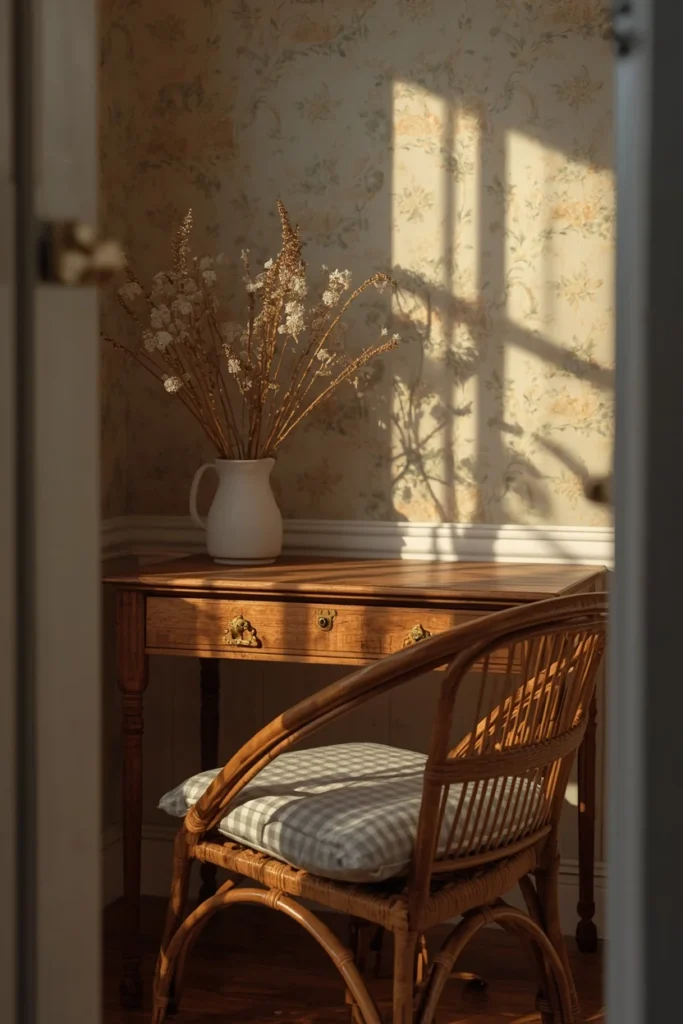
7. Cozy Cottagecore Nook
Think soft florals, a hand-knit blanket over the chair, and a small vase of fresh or dried flowers next to the keyboard. This aesthetic favors imperfection — mismatched frames, a slightly worn rug, a mug that doesn’t match the desk set.
It works best in smaller rooms or nooks, where the coziness reads as intentional rather than cramped.
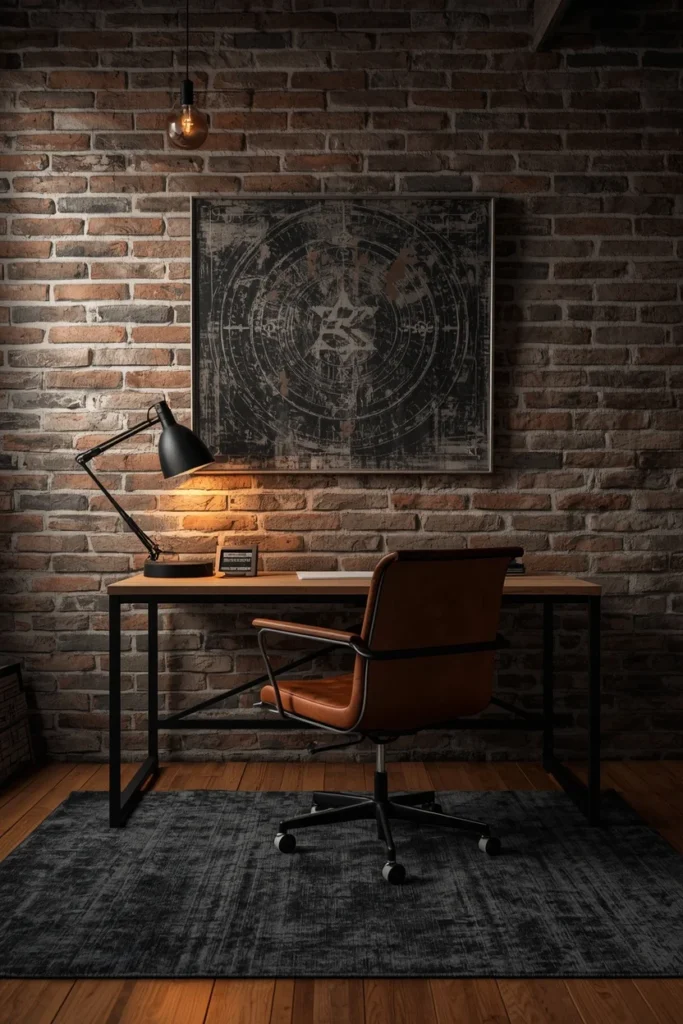
8. Industrial Loft Office
Exposed brick, black metal shelving, and a leather chair give this look an edge that suits open-plan lofts and converted garages. Warm-toned Edison bulbs stop the metal and concrete from feeling cold.
Balance is everything here — pair every hard material (steel, concrete, brick) with something soft, like a wool rug or a linen cushion, or the room starts to feel more like a warehouse than a workspace.
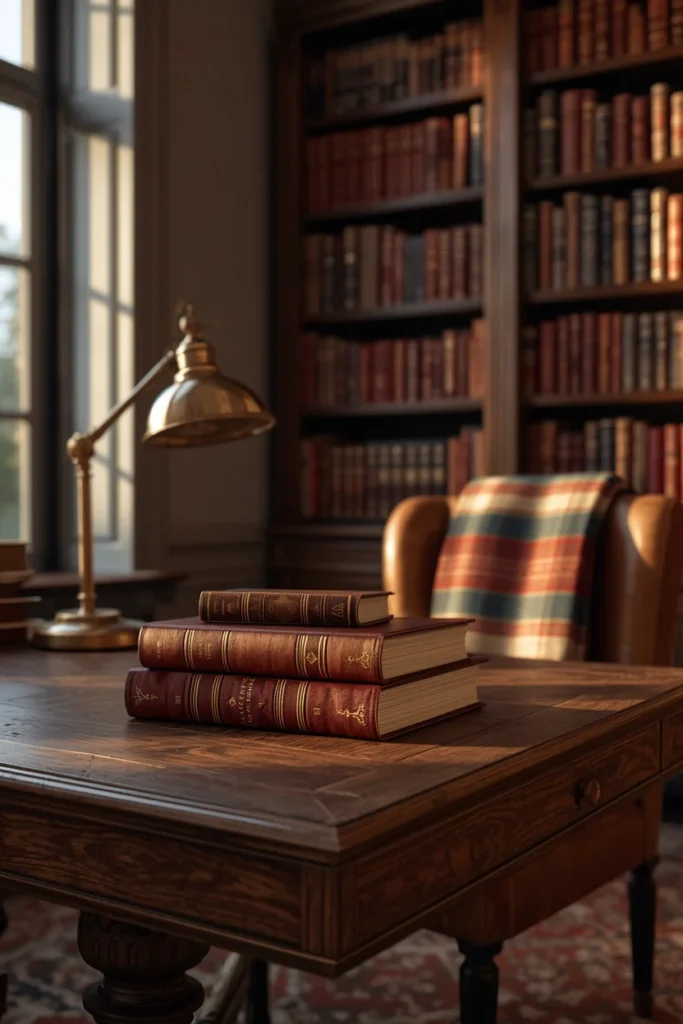
9. Light Academia Reading Desk
Stacked books, a brass desk lamp, and a leather-bound journal give this style its scholarly, slightly old-world feel. Cream and warm brown dominate, with maybe one tartan or plaid throw for texture.
This aesthetic photographs beautifully with natural window light in the late afternoon, when everything takes on that warm, sepia-toned glow people associate with old libraries.
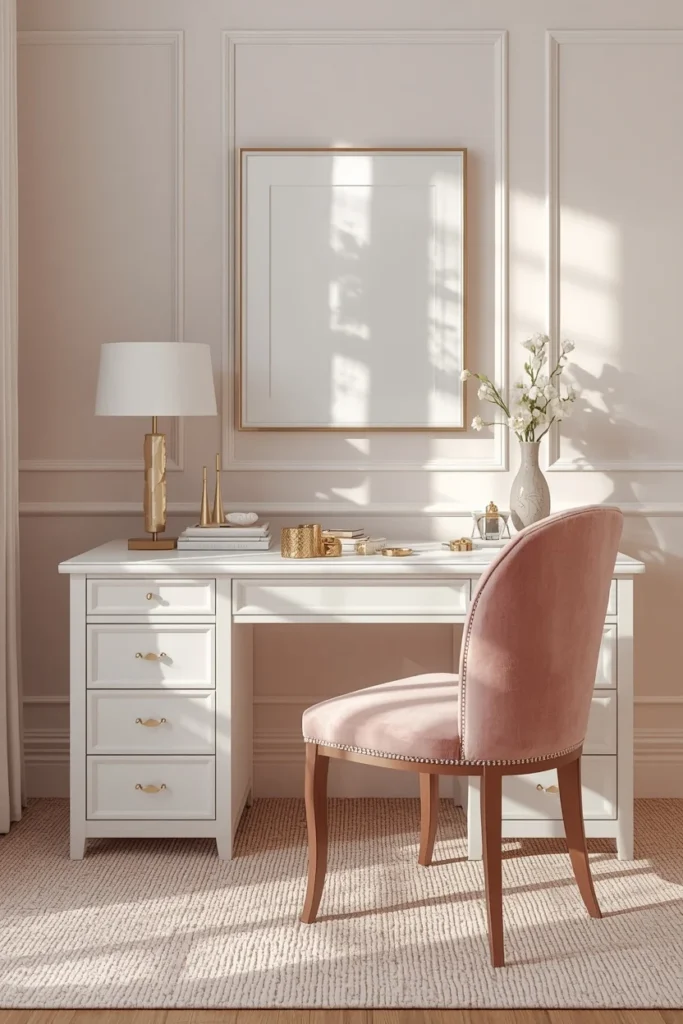
10. Feminine Soft-Glam Office
Blush pink, soft gold hardware, and a touch of shine — think a mirrored tray or an acrylic organizer — make this style feel put-together without tipping into fussy. A tufted chair or velvet cushion adds softness against the shine.
Keep the palette to two or three colors max so the “glam” stays elegant instead of overwhelming.
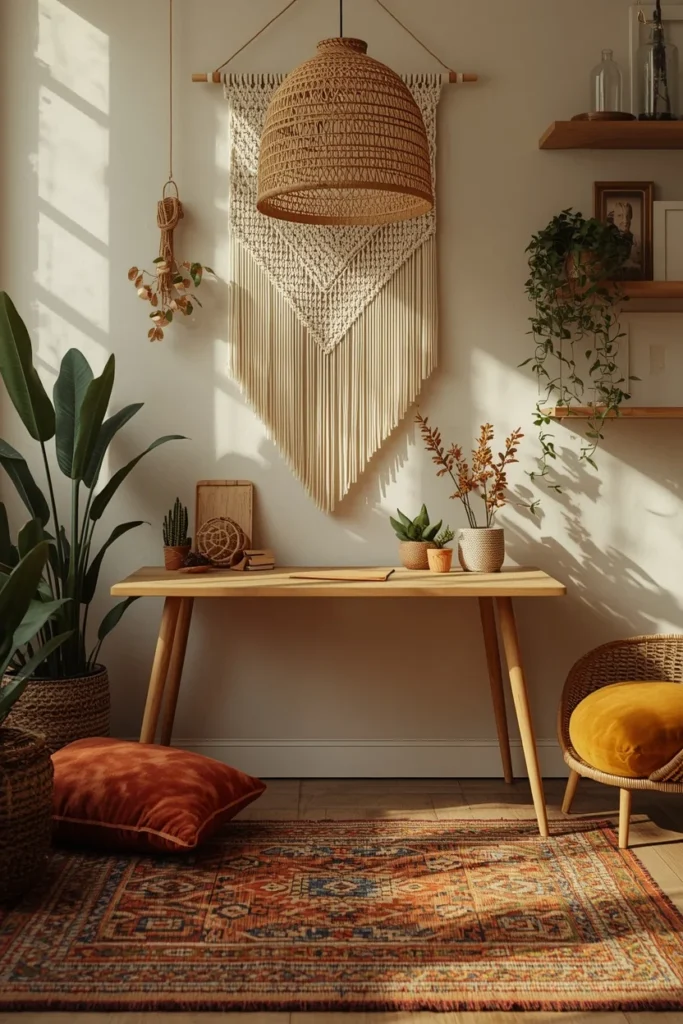
11. Bohemian Layered Office
Macrame on the wall, a rattan pendant light, and a mix of patterns on cushions and rugs give boho offices their signature layered, collected-over-time feel. Warm terracotta and mustard tones anchor the palette.
The key to boho done well is layering with intention — a mix of textures and patterns that still share a warm color family, rather than a totally random assortment.
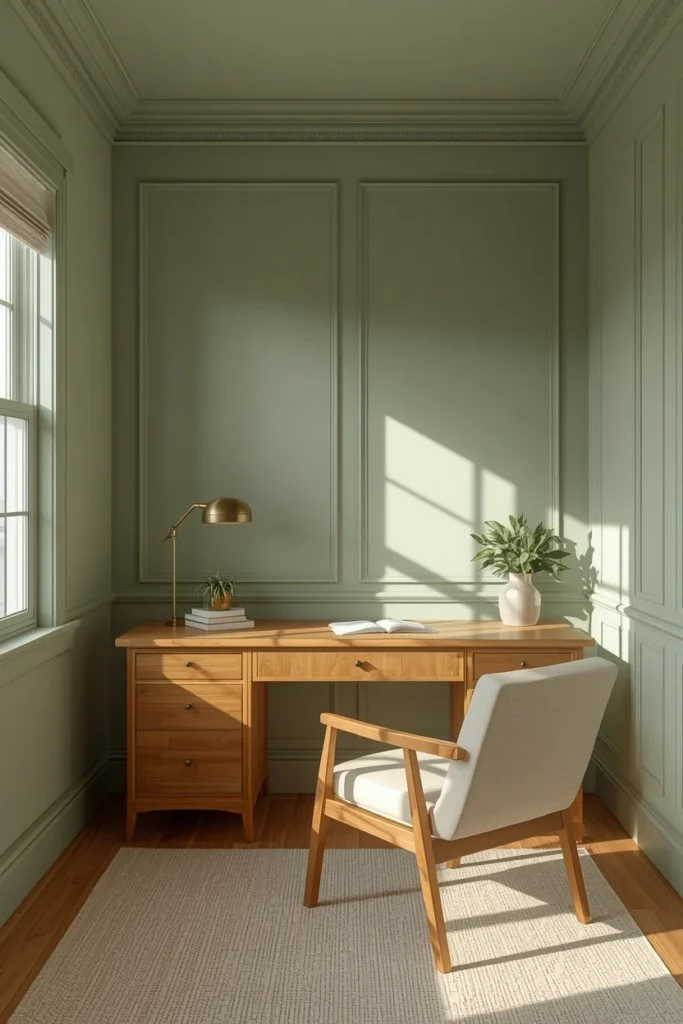
12. Color-Drenched Statement Office
Painting the walls, trim, and even the ceiling in one saturated color — sage green, terracotta, or deep navy — is one of the biggest home office trends heading into 2026. It makes a small room feel enveloping instead of cramped, since there’s no contrast line breaking up the space.
This works best with a single neutral desk so the color has room to be the star, rather than competing with patterned furniture.
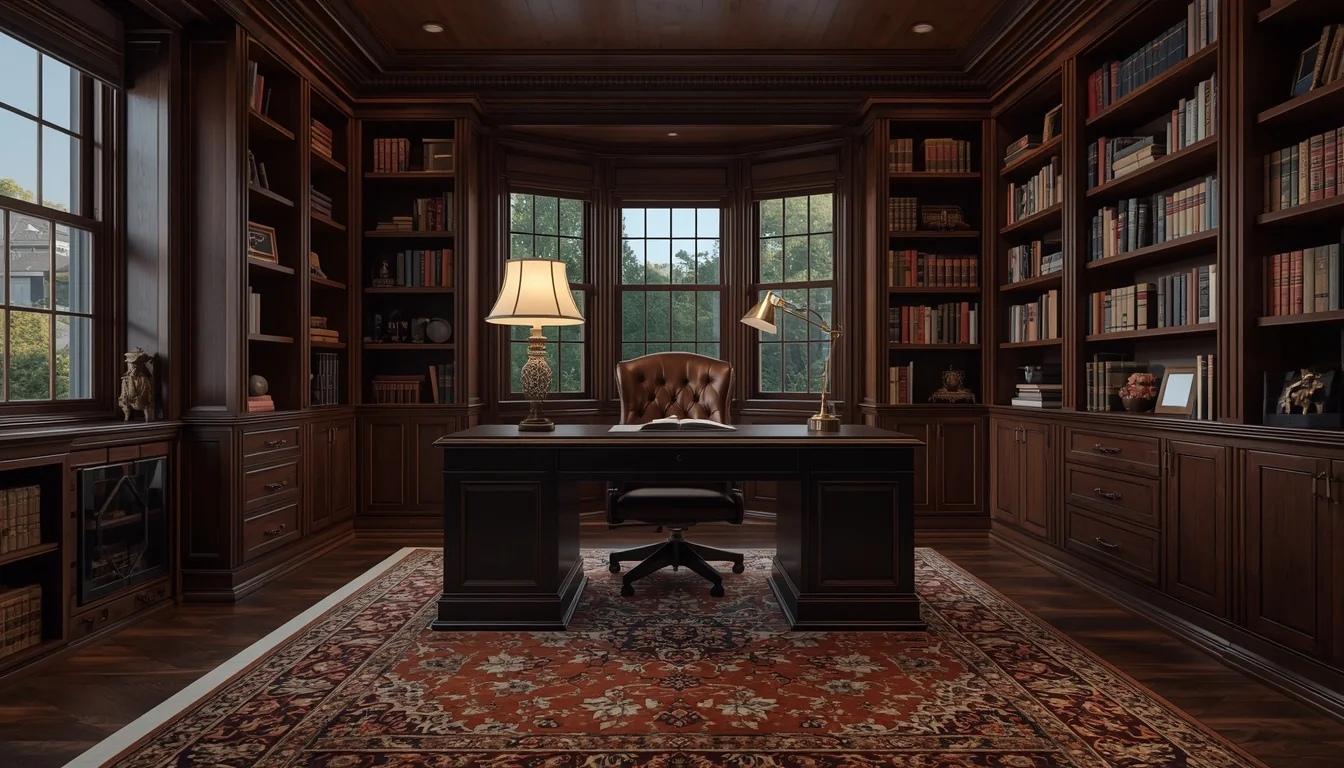
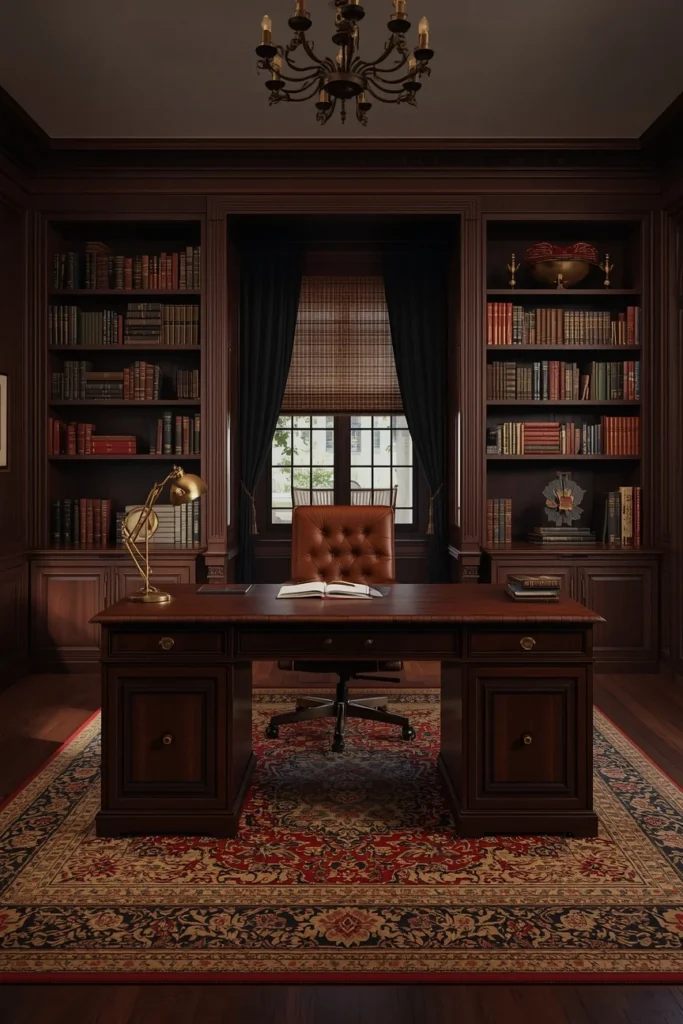
13. Classic Traditional Study
Rich wood tones, a leather chair, and built-in shelving give this office the feel of a study in an older home, even in new construction. Brass fixtures and a patterned rug add warmth without looking fussy.
This aesthetic tends to age the best of any on this list, since it isn’t tied to a passing color trend.
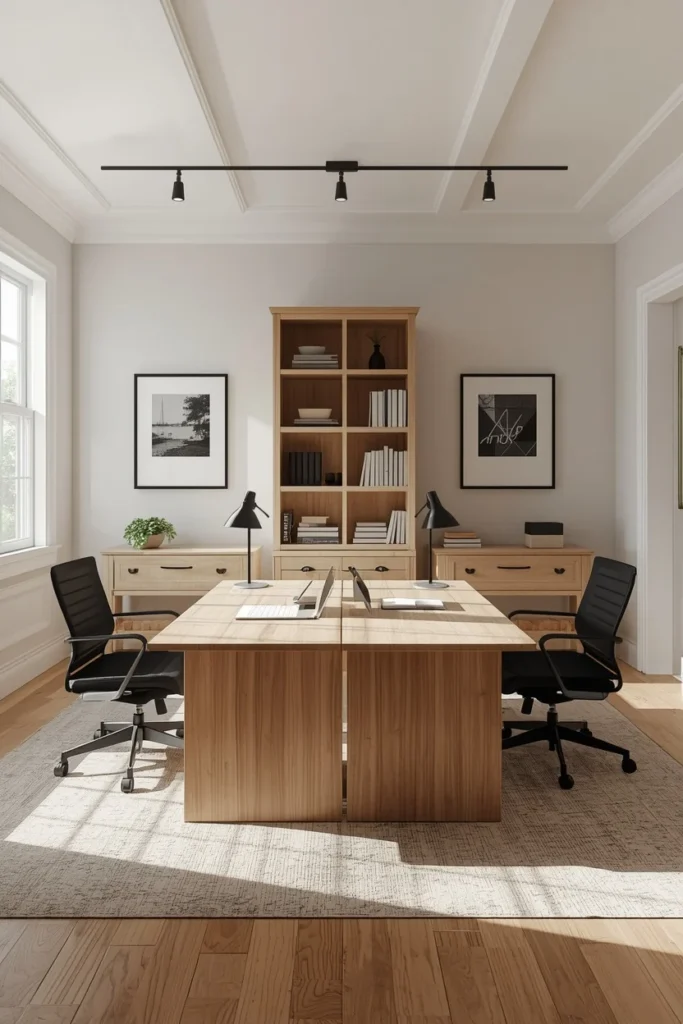
14. Two-Desk Shared Workspace
For couples or roommates working from home together, mirrored desks facing each other — or set back-to-back — make one room function for two people without feeling divided. A shared bookshelf or credenza in the middle keeps supplies from spilling onto either desk.
Matching chairs and lamps on each side make the layout feel planned rather than pieced together from two different setups.
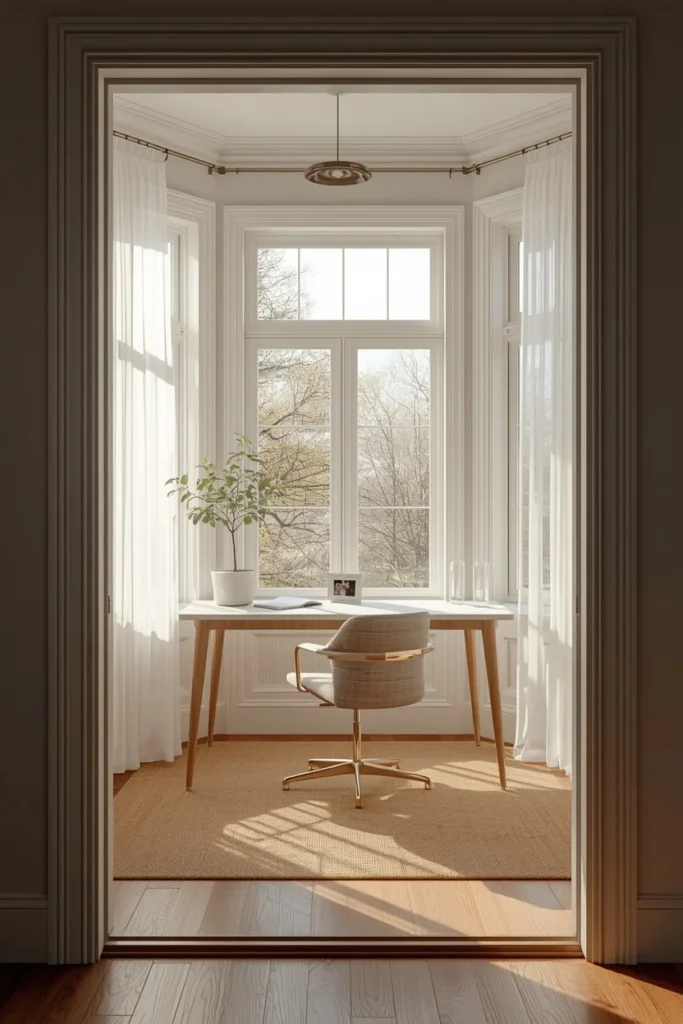
15. Sunroom or Window-Bay Office
A desk tucked into a window bay or converted sunroom uses daylight as the main design feature. Sheer curtains, a low-profile desk, and a single plant are usually all this space needs, since the view and light do most of the visual work.
This setup also cuts down on artificial lighting needs during the day, which is a practical bonus alongside the aesthetic one.
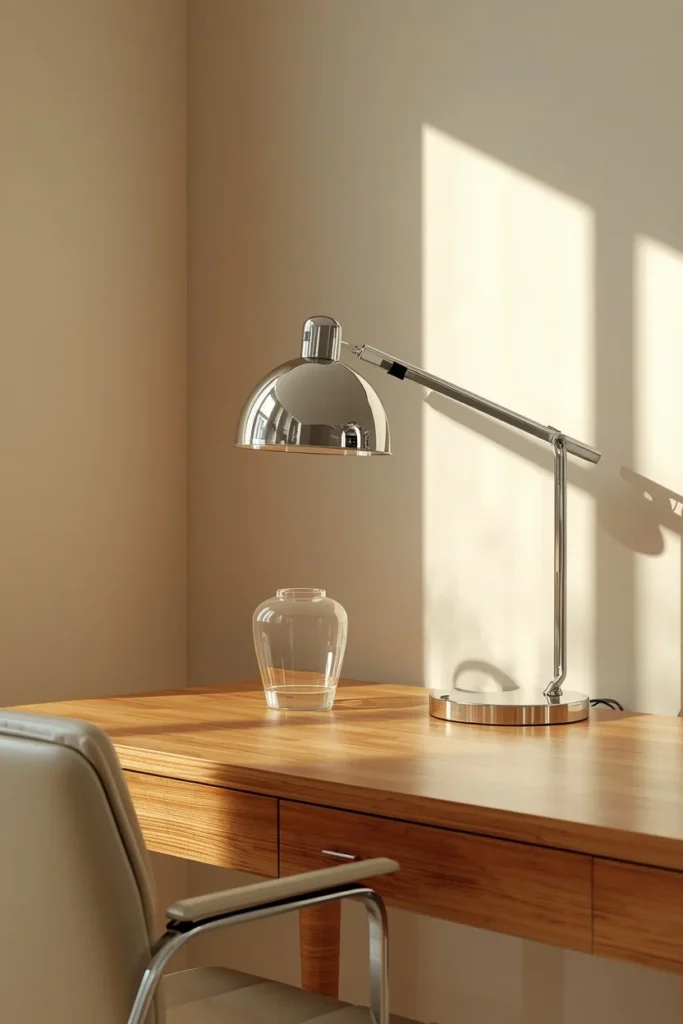
16. Chrome and Metallic Accents
Chrome is having a moment in interiors again, and a metallic desk lamp, chair frame, or picture frame can modernize an otherwise neutral office instantly. The trick is using metallics as an accent, not the whole palette — one or two chrome pieces against warm wood or soft fabric keeps it from feeling like an operating room.
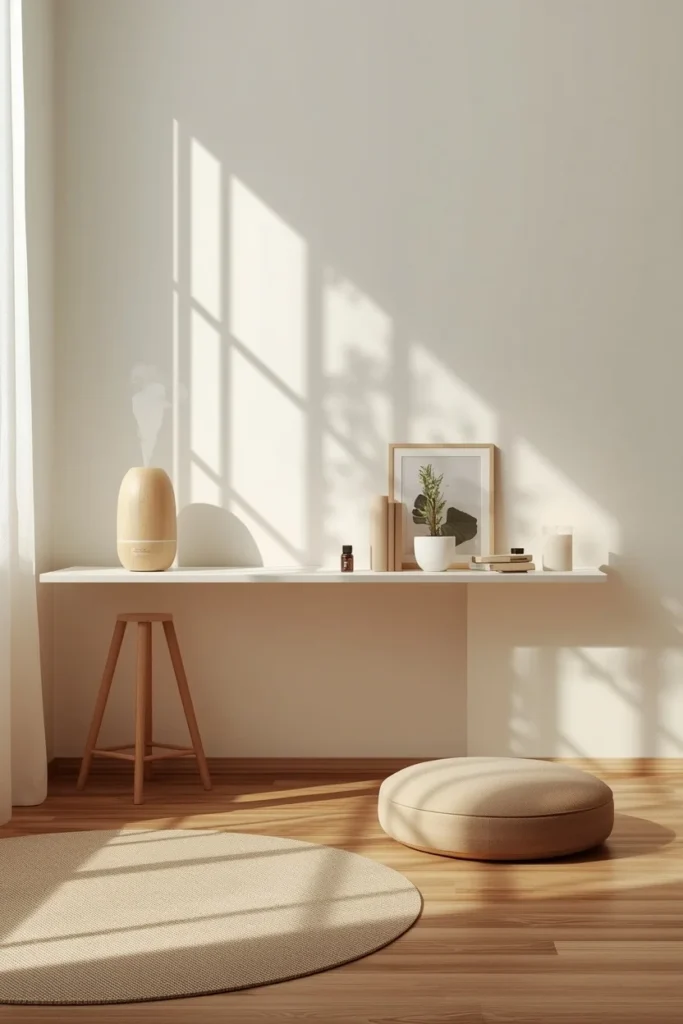
17. Wellness-Zoned Office
Instead of one desk, the room is split into a work zone and a reset zone — a small floor cushion or yoga mat corner, a diffuser, and a low shelf with a candle. This layout supports actual stretch breaks and short resets between meetings, not just a nicer-looking desk.
Rooms with at least a little extra floor space handle this best, since the two zones need visual separation to both read clearly.
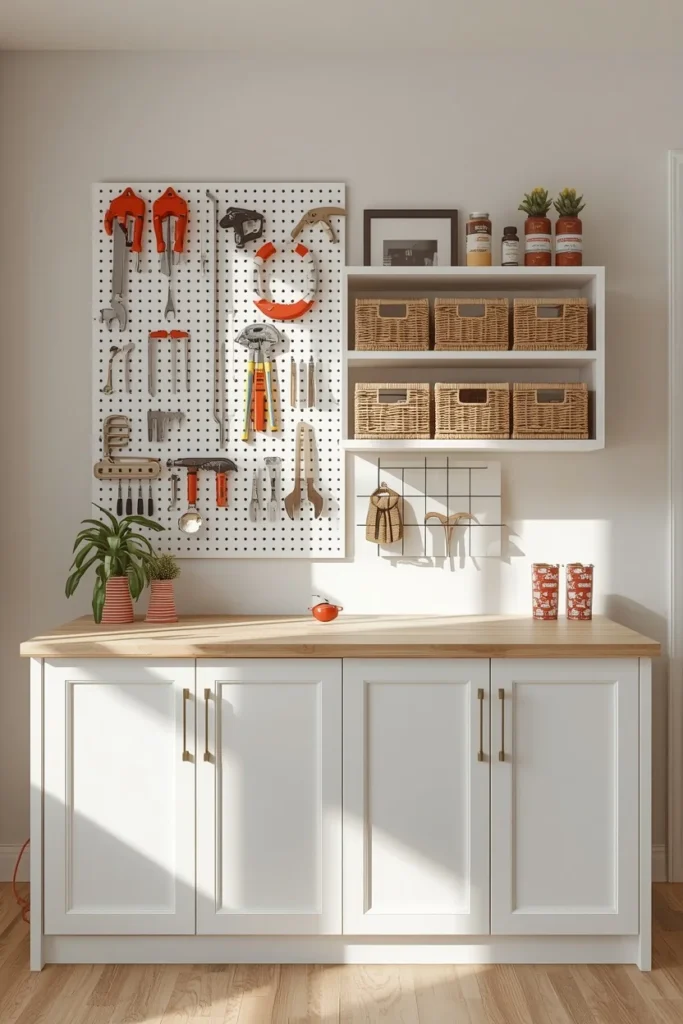
18. Storage-First Organized Office
Built for people who work with a lot of paper, supplies, or side-hustle inventory, this aesthetic uses labeled bins, a pegboard, and closed cabinets to keep everything visually calm even when the desk is genuinely busy. The look depends on matching containers and a consistent color story for the storage pieces.
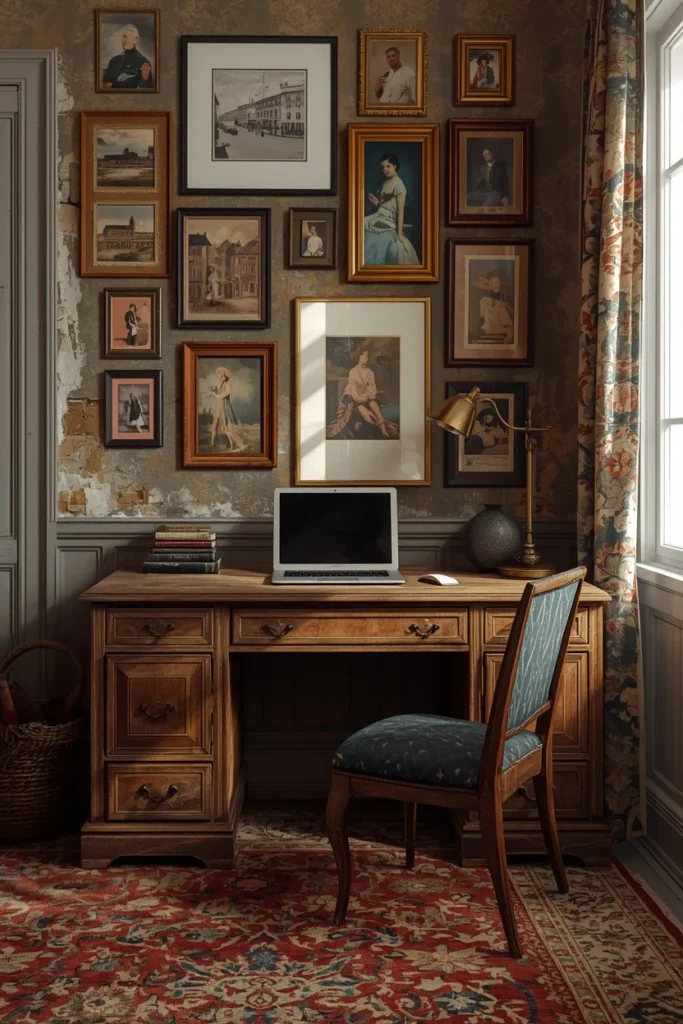
19. Vintage Eclectic Study
A found antique desk, a mismatched gallery wall, and a worn Persian-style rug give this look its collected, personality-forward feel. Nothing needs to match — the aesthetic depends on pieces that feel gathered over time rather than bought as a set.
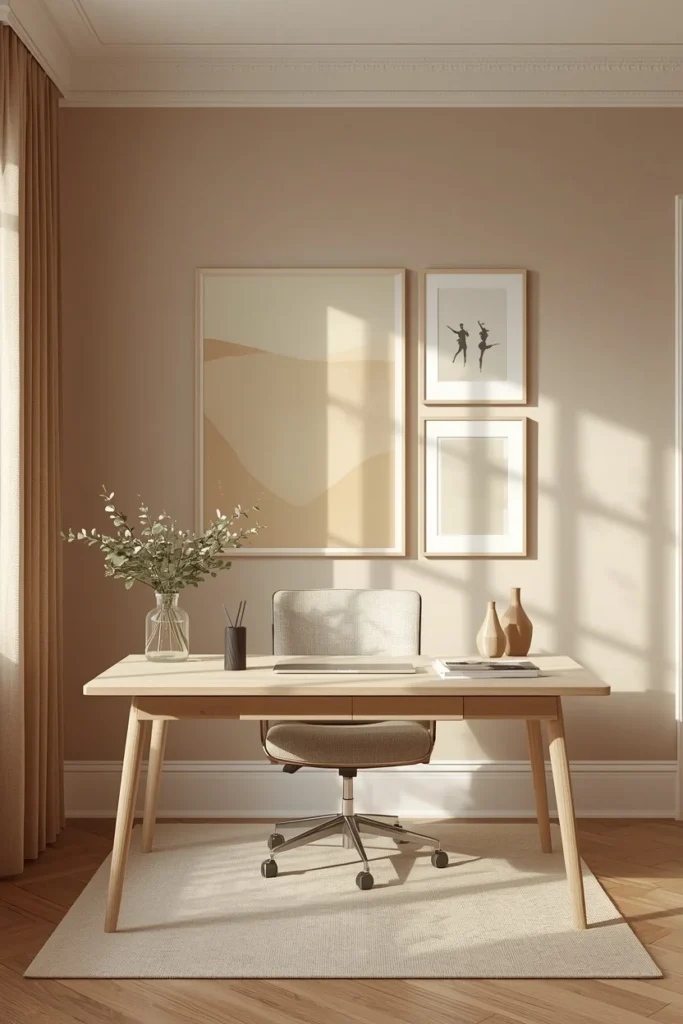
20. Warm Neutral Gallery Wall Office
A tone-on-tone gallery wall — think cream, tan, and soft brown frames — behind the desk adds visual interest without adding color competition. This works especially well as a video-call background, since it reads as polished but not distracting.
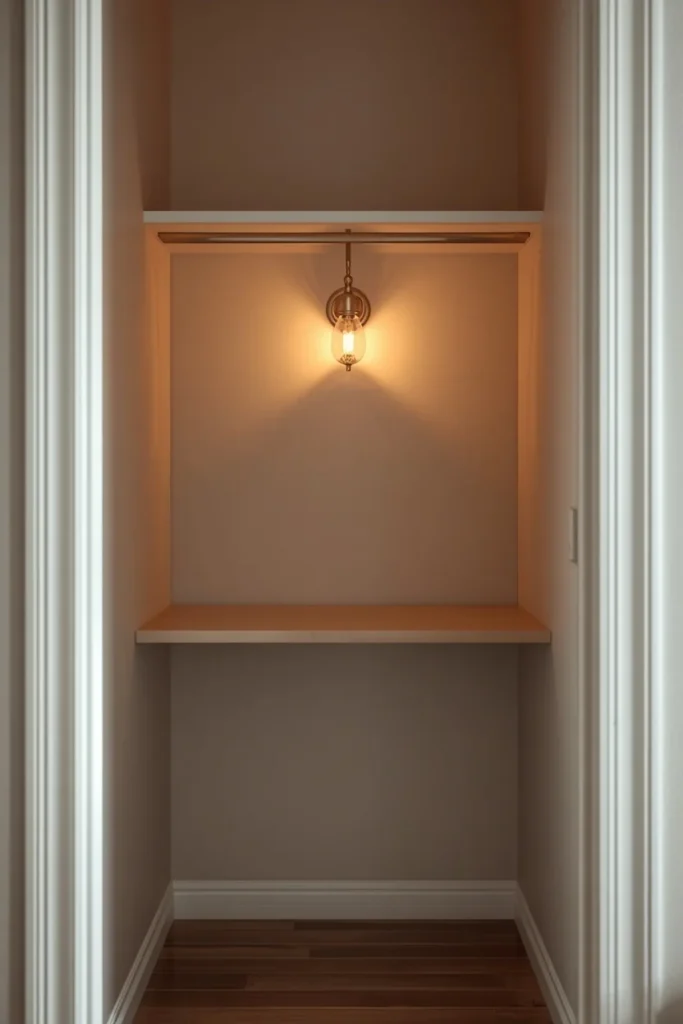
21. Closet or Nook Micro-Office
A converted closet (“cloffice”) or stair-landing nook proves a full room isn’t required. A slim floating desk, a single wall shelf, and a plug-in wall sconce turn a few unused square feet into a real workspace.
Fold-down or wall-mounted desks are worth the investment here, since they let the space go back to storage or a hallway when the workday ends.
Styling Tips
- Pick one dominant material (wood, metal, or rattan) and let the rest of the room support it instead of competing with it.
- Layer at least two light sources — overhead or window light plus a desk lamp — so the room doesn’t rely on one flat source all day.
- Keep the desk surface down to three or four objects. Everything else goes in a drawer, tray, or shelf.
- Choose one accent color and repeat it at least twice in the room (a cushion and a mug, for example) so it reads as intentional.
Practical Implementation Ideas
- Start with lighting and paint before furniture. Both are cheap to change and affect the whole room’s mood more than any single piece of furniture.
- Test your video-call background before committing to wall decor — stand where you’d normally sit and check what’s visible on camera.
- Add a rug even in a small nook. It defines the workspace as its own zone, even without walls.
- Mount a shelf above the desk instead of adding a bulky bookcase if floor space is tight.
Common Mistakes to Avoid
- Overcrowding the desk with decor that leaves no room to actually work.
- Choosing a chair for looks alone — an uncomfortable chair undoes the whole aesthetic within a week.
- Ignoring cord management, which flattens even a well-styled room in photos and in person.
- Matching every piece of furniture from one collection, which tends to look more like a showroom than a lived-in office.
Small-Space Alternatives
- A floating wall-mounted desk works in a closet, hallway, or stair landing without needing a dedicated room.
- A narrow console table against a wall can double as a desk when paired with a slim chair that tucks fully underneath.
- Wall-mounted shelving keeps storage off the floor, which matters most in rooms under 60 square feet.
- A room divider or curtain can visually separate a desk from a bedroom or living room without construction.
Budget-Friendly Alternatives
- Paint is the single highest-impact, lowest-cost change — a color-drenched wall costs a fraction of new furniture.
- Secondhand wood desks often have better bones than budget flat-pack options and take stain or paint well.
- Woven baskets and trays from a discount store can double as storage that still looks styled.
- A single well-placed lamp can replace the need for an expensive overhead light fixture upgrade.
Pro Styling Recommendations
- Match your desk height to your monitor’s eye line before choosing anything else — comfort issues are the fastest way to abandon an otherwise beautiful setup.
- Choose washable or performance fabric for any office chair cushion, since desks see more daily wear than most furniture in the house.
- If natural light is limited, a daylight-temperature bulb (around 5000K) in the desk lamp keeps the space from feeling dim on camera and in person.
- Leave a little visual breathing room near the monitor. A cluttered space directly behind the screen is the first thing that reads as “messy” on a call.
FAQs
Conclusion
A home office earns its keep when it looks good and actually makes the workday easier — better light, a chair worth sitting in, and a space that doesn’t feel borrowed from another room. Pick one aesthetic from this list that matches how you already live, start with paint and lighting, and build outward from there. The room will start pulling its weight long before it’s “finished.”